Films
1 film
About Vitomir Bogić
Actor in Serbian cinema during the silent film era, best known for his appearance in one of the earliest Serbian feature films, 'The Life and Deeds of the Immortal Vožd Karađorđe' (1911). As an actor during the formative years of Serbian film production, Bogić was part of a small group of performers who helped establish the foundation of Serbian cinema. His work came at a time when the film industry in Serbia was just emerging, with very few local productions being made. The 1911 film in which he appeared was directed by Ilija Stanojević Čiča, a prominent figure in early Serbian theater and cinema. Bogić's participation in this historical production places him among the very first generation of Serbian film actors. Unfortunately, like many early film performers from this region and era, detailed documentation of his life and career is extremely limited, and his filmography appears to consist of only this single known work.
The Craft
Milestones
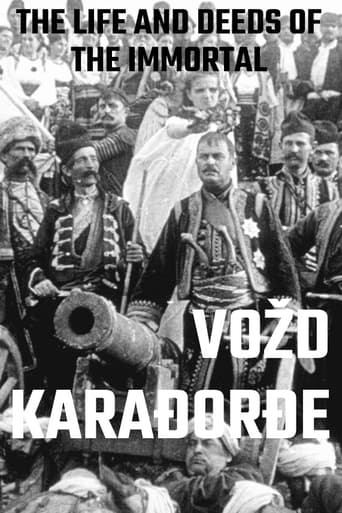
- Appeared in 'The Life and Deeds of the Immortal Vožd Karađorđe' (1911), one of the earliest Serbian feature films
- Participated in the foundational period of Serbian cinema
- Worked with Serbian director Ilija Stanojević Čiča
Best Known For
Iconic Roles
Must-See Films
Working Relationships
Worked Often With
Why They Matter
Impact on Culture
Vitomir Bogić's significance lies primarily in his participation in one of the earliest Serbian feature films, making him part of the foundational generation of Serbian cinema. During the early 1910s, Serbian film production was extremely limited, with only a handful of feature films being produced. Actors like Bogić were pioneers who helped establish the very concept of Serbian film acting at a time when the medium was still new worldwide. His work in 'The Life and Deeds of the Immortal Vožd Karađorđe' contributed to the cultural preservation of Serbian national history through cinema, as the film depicted important events from Serbian history centered around Karađorđe Petrović, the leader of the First Serbian Uprising. This early attempt to bring national historical narratives to the screen helped pave the way for future Serbian historical films and established important precedents for how Serbian culture could be represented through the cinematic medium.
Lasting Legacy
Vitomir Bogić's legacy is primarily historical rather than artistic, as he represents one of the first generation of Serbian film actors. While his individual contributions may be difficult to assess due to the limited documentation and the apparent loss of the film itself, his participation in early Serbian cinema makes him a figure of historical importance. The film he appeared in, though now considered lost, was significant enough to be remembered in Serbian film history as one of the earliest attempts at feature-length filmmaking in Serbia. Bogić and his fellow actors of this era were essentially the founding fathers of Serbian film performance, establishing precedents that would influence subsequent generations of Serbian actors. His name appears in historical accounts of early Serbian cinema, ensuring his place in the annals of Serbian cultural history, even if his specific artistic contributions remain largely unknown to modern audiences.
Who They Inspired
Given the extremely limited nature of Vitomir Bogić's known film work and the scarcity of documentation about his career, it's difficult to trace his specific influence on other actors or filmmakers. However, as part of the generation of Serbian cinema, he and his contemporaries would have established the basic conventions of film acting in Serbia during a period when there were no local precedents to follow. Early silent film actors like Bogić had to adapt theatrical techniques to the new medium of cinema, creating a hybrid style that would influence subsequent performers. The very act of appearing in one of Serbia's first feature films would have made him part of the foundation upon which later Serbian actors would build, even if his direct influence on specific individuals cannot be documented.
Off Screen
Very little information is available about Vitomir Bogić's personal life, which is typical for actors from this very early period of Serbian cinema. Documentation of film industry personnel from the 1910s in Serbia is scarce, and many records from this era have been lost or were never properly maintained.
Did You Know?
- The film 'The Life and Deeds of the Immortal Vožd Karađorđe' (1911) is now considered a lost film
- This film was one of the very first feature-length productions in Serbian cinema history
- The film depicted the life of Karađorđe Petrović, a key figure in Serbian history who led the First Serbian Uprising against the Ottoman Empire
- Director Ilija Stanojević Čiča was also a prominent theater actor and director in Serbia
- 1911 was an extremely early period for feature film production anywhere in the world, making this film remarkable for its time and place
- Serbian cinema of this era was heavily influenced by theatrical traditions, as most early film actors came from theater backgrounds
- The film was produced during a period of growing national consciousness in Serbia, with cinema being used as a medium for historical and cultural expression
Frequently Asked Questions
Who was Vitomir Bogić?
Serbian with credits in this catalog. He was part of the generation of Serbian cinema during its formative years in the early 1910s.
What films is Vitomir Bogić best known for?
Titles linked here include The Life and Deeds of the Immortal Vožd Karađorđe (1911).
When was Vitomir Bogić born and when did he die?
Unfortunately, specific birth and death dates for Vitomir Bogić are not documented in available historical records. This lack of personal information is typical for many early Serbian film actors from the silent era, when detailed biographical documentation of film industry personnel was not systematically maintained.
What awards did Vitomir Bogić win?
There are no records of Vitomir Bogić receiving any awards or formal recognition for his work. During the early 1910s, the film industry in Serbia was just beginning, and formal award systems for cinema had not yet been established in the region.
What was Vitomir Bogić's acting style?
Specific details about Vitomir Bogić's acting style are not known, as the film he appeared in has been lost and no contemporary reviews or detailed descriptions of his performance survive. However, actors of this era typically used exaggerated gestures and expressions adapted from theater to compensate for the lack of synchronized sound in silent films.