Films
1 film
About Dragoljub Sotirović
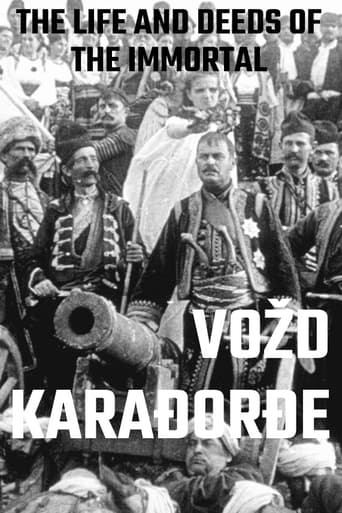
Dragoljub Sotirović was one of the actors of Serbian cinema during the silent era, appearing in what is considered one of the first feature films made in Serbia. His most notable work was in 'The Life and Deeds of the Immortal Vožd Karađorđe' (1911), a historical epic that marked a significant milestone in the development of Serbian national cinema. As an actor during the very dawn of filmmaking in the Balkans, Sotirović was part of a small group of performers who helped establish the theatrical traditions that would transition from stage to screen. His participation in this landmark film placed him among the foundational figures of Serbian cinematic history. The film itself was directed by Ilija Stanojević Čiča, a renowned Serbian actor who also played the lead role of Karađorđe. Sotirović's career appears to have been concentrated in this pivotal year of 1911, coinciding with the birth of Serbian national cinema, though detailed records of his broader career are scarce due to the limited documentation of early film production in the region.
The Craft
On Screen
As an actor in the early silent era, Sotirović would have employed the theatrical, exaggerated acting style typical of the period, where performers used broad gestures and facial expressions to convey emotion without dialogue. His performance would have been influenced by traditional Serbian theater conventions, adapting stage techniques for the new medium of film.
Milestones
- Appeared in the first Serbian feature film 'The Life and Deeds of the Immortal Vožd Karađorđe' (1911)
- actor in Serbian silent cinema
- Contributed to early national cinema development in Serbia
Best Known For
Iconic Roles
Must-See Films
Accolades
Special Recognition
- Recognized as a pioneer of Serbian cinema
Working Relationships
Worked Often With
Studios
Why They Matter
Impact on Culture
Dragoljub Sotirović, through his participation in Serbia's first feature film, contributed to the birth of national cinema in Serbia. The film 'The Life and Deeds of the Immortal Vožd Karađorđe' was not only a technical achievement but also a cultural milestone, bringing Serbian national history to the screen and helping to establish a cinematic identity for the Serbian people. The film's portrayal of Karađorđe, the leader of the First Serbian Uprising, was significant in a period when cinema was emerging as a powerful medium for national storytelling and cultural preservation. Early pioneers like Sotirović laid the groundwork for the future development of Serbian and Yugoslav cinema, demonstrating that historical epics and national stories could be successfully adapted to the new medium of film.
Lasting Legacy
Dragoljub Sotirović's legacy is primarily that of a founding figure in Serbian cinema history. While his name may not be widely known today, his contribution to the first Serbian feature film places him among the important pioneers who helped establish cinema as an art form in Serbia. The film he participated in, though now considered lost, represents the beginning of Serbian narrative filmmaking and set precedents for future historical epics in Yugoslav cinema. His work, along with that of his contemporaries, demonstrated the potential of cinema as a medium for expressing Serbian national identity and history, influencing generations of Serbian filmmakers who would follow.
Who They Inspired
As one of the earliest Serbian film actors, Sotirović's influence lies primarily in his role as a pioneer rather than as a mentor to later generations. His participation in establishing the conventions of Serbian film acting in the silent era helped create a foundation upon which future Serbian actors would build. The theatrical style he and his contemporaries employed would evolve over time, but their initial work proved that Serbian stories could be effectively told through the medium of cinema.
Off Screen
Very little is documented about the personal life of Dragoljub Sotirović, which is common for actors from this very early period of Serbian cinema. Records from this era are scarce, and many details about the personal lives of early film pioneers have been lost to time.
Did You Know?
- The 1911 film he appeared in is considered the first feature film made in Serbia
- The film was over two hours long, remarkable for its time
- Only a few fragments of the film are known to survive today
- The film was shot on location in Belgrade and surrounding areas
- Director Ilija Stanojević Čiča was also a famous Serbian stage actor
- The film's production company Likum was one of the first Serbian film production companies
- The film depicted events from the First Serbian Uprising (1804-1813)
- Contemporary accounts suggest the film was well-received by Serbian audiences
- The film was made during a period of growing Serbian cultural nationalism
- Early Serbian cinema like this film often focused on historical and national themes
Frequently Asked Questions
Who was Dragoljub Sotirović?
Screen credits include what is considered the first feature film made in Serbia, 'The Life and Deeds of the Immortal Vožd Karađorđe' in 1911. He was among the foundational figures of Serbian cinema during its earliest days.
What films is Dragoljub Sotirović best known for?
Titles linked here include The Life and Deeds of the Immortal Vožd Karađorđe (1911).
When was Dragoljub Sotirović born and when did he die?
Specific birth and death dates for Dragoljub Sotirović are not documented in available historical records, which is common for actors from this very early period of Serbian cinema. His known activity was limited to the year 1911.
What awards did Dragoljub Sotirović win?
No formal awards are documented for Dragoljub Sotirović, as the film industry award systems we know today did not exist in 1911. His recognition comes primarily from his status as a pioneer of Serbian cinema rather than from formal accolades.
What was Dragoljub Sotirović's acting style?
As an actor in the early silent era, Sotirović would have used the theatrical, exaggerated acting style typical of the period, employing broad gestures and facial expressions to convey emotion without dialogue. His style would have been influenced by traditional Serbian theater conventions adapted for the new medium of film.