Films
1 film
About Vukosava Jurković
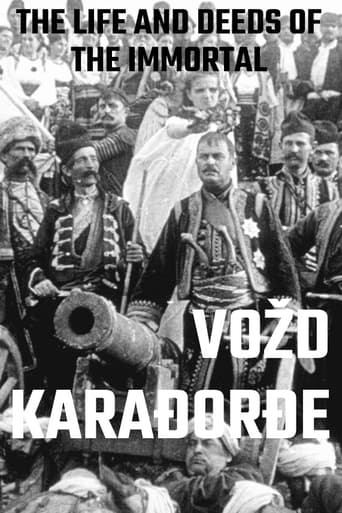
Vukosava Jurković worked on dawn of Balkan cinema during the silent era. Her only known film credit is in the 1911 historical epic 'The Life and Deeds of the Immortal Vožd Karađorđe,' which stands as one of the earliest feature films produced in Serbia and the broader Balkan region. This film was directed by renowned Serbian actor and director Ilija Stanojević Čiča and depicted the life of Karađorđe Petrović, the leader of the First Serbian Uprising against Ottoman rule. Jurković's participation in this production places her among the very first generation of film actors in Serbian cinema history. Unfortunately, like many performers from this nascent period of filmmaking in Southeastern Europe, detailed records of her life and career are extremely scarce, with her filmography appearing to consist solely of this single 1911 production. The film itself represents a significant milestone in Serbian cultural history, being one of the first attempts to capture national historical narratives on celluloid.
The Craft
Milestones
- Appeared in 'The Life and Deeds of the Immortal Vožd Karađorđe' (1911), one of Serbia's first feature films
Best Known For
Must-See Films
Working Relationships
Worked Often With
Why They Matter
Impact on Culture
Vukosava Jurković's contribution to cinema, while brief, represents the efforts of early Serbian filmmakers to establish a national cinema. Her appearance in 'The Life and Deeds of the Immortal Vožd Karađorđe' places her among the foundational figures of Serbian film history, participating in one of the first attempts to create cinematic narratives that celebrated Serbian national identity and historical figures. This film was part of a broader movement in the early 20th century to use the new medium of cinema for cultural and nation-building purposes in the Balkans.
Lasting Legacy
As one of the earliest known Serbian film actors, Vukosava Jurković's legacy is primarily historical rather than artistic, representing the dawn of cinema in Serbia. Her work in the 1911 film marks her as a pioneer in Serbian film history, though the scarcity of surviving records and prints from this era means that her specific contributions and performances are largely lost to time. The film itself is considered a crucial artifact of early Serbian cinema, and all who participated in its creation, including Jurković, are remembered as trailblazers who helped establish the foundation for future Serbian filmmaking.
Who They Inspired
Given the extremely early stage of Serbian cinema during Jurković's career and the apparent brevity of her film work, her direct influence on subsequent generations of actors is difficult to trace. However, as part of the first wave of Serbian film performers, she and her colleagues helped demonstrate the possibilities of cinema as an art form in Serbia, paving the way for the development of a more robust film industry in the decades that followed.
Off Screen
Very little is known about Vukosava Jurković's personal life, which is common for actors from the very early silent era in Serbia. Records from this period are scarce, and many details about early film performers have been lost to history.
Did You Know?
- Appeared in what is considered one of the first feature films ever made in Serbia
- The film she starred in was about Karađorđe Petrović, a key figure in Serbian history
- 1911 was the very early days of cinema worldwide, making her a true pioneer
- The film was directed by Ilija Stanojević Čiča, a famous Serbian actor of the time
- Like many silent era films, the original print of this 1911 production may be lost
- Her career appears to have lasted only one year, which was not uncommon for early film actors
- The film represents an early example of historical epic in Balkan cinema
Frequently Asked Questions
Who was Vukosava Jurković?
Screen credits include the silent era, known primarily for her role in the 1911 film 'The Life and Deeds of the Immortal Vožd Karađorđe,' one of Serbia's first feature films.
What films is Vukosava Jurković best known for?
Titles linked here include The Life and Deeds of the Immortal Vožd Karađorđe (1911).
When was Vukosava Jurković born and when did she die?
Unfortunately, specific birth and death dates for Vukosava Jurković are not available in historical records, which is common for actors from the very early silent era in Serbia.
What awards did Vukosava Jurković win?
There are no records of Vukosava Jurković receiving any formal awards or recognition, as film awards were not yet established during the very early period of Serbian cinema in 1911.
What was Vukosava Jurković's acting style?
Details about Vukosava Jurković's specific acting style are not available, as no performance records or reviews from her 1911 film have survived, and silent era acting from this period typically followed theatrical conventions of the time.