Films
1 film
About Jovan Antonijević
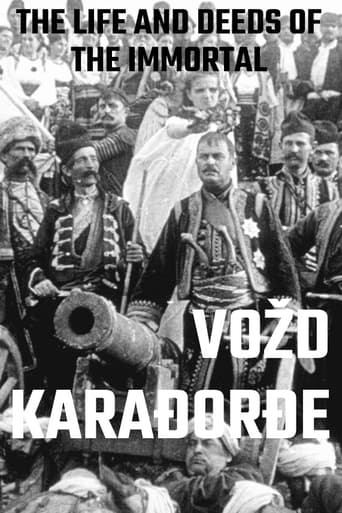
Serbian actor who worked during the very early days of cinema in the Balkans. His entire known film career consists of a single appearance in the historic 1911 film 'The Life and Deeds of the Immortal Vožd Karađorđe,' which was one of the first feature films produced in Serbia and the entire Balkan region. This film was directed by Ilija Stanojević Čiča, a prominent Serbian theater actor and director who also played the title role. Antonijević was part of the cast that brought to life the story of Karađorđe Petrović, the revolutionary leader who founded modern Serbia. Working in the silent era, Antonijević would have employed the exaggerated gestures and facial expressions characteristic of early film acting to convey emotion and narrative to audiences. His participation in this production places him among the very first generation of film actors in Serbian cinema history. Unfortunately, like many early film performers from the region, detailed records of his life and career are scarce, with this single film credit representing his entire known contribution to cinema.
The Craft
On Screen
Silent era acting with exaggerated gestures and facial expressions typical of early Balkan cinema
Milestones
- Appeared in 'The Life and Deeds of the Immortal Vožd Karađorđe' (1911), one of the first feature films made in Serbia
Best Known For
Iconic Roles
Must-See Films
Working Relationships
Worked Often With
Why They Matter
Impact on Culture
Jovan Antonijević's contribution to cinema, while limited to a single known film, represents an important milestone in the development of Serbian and Balkan film history. His participation in 'The Life and Deeds of the Immortal Vožd Karađorđe' places him among the pioneers who helped establish the cinematic tradition in a region that would later produce significant filmmakers. The film itself was groundbreaking as one of the earliest narrative feature films produced in Serbia, dealing with national historical themes that would become central to Serbian cinema. Though his role may have been small, Antonijević was part of the foundational generation that proved feature filmmaking was possible in the Serbian cultural context, paving the way for future generations of filmmakers and actors.
Lasting Legacy
Jovan Antonijević's legacy is that of a figure in Serbian cinema, representing the very first wave of actors who brought national stories to the silver screen in the early 20th century. While his name may not be widely recognized today, his participation in one of Serbia's earliest feature films makes him part of the foundational history of Balkan cinema. The film he appeared in, though now largely lost to time, represents an important cultural artifact showing how early Serbian filmmakers used the new medium of cinema to explore national history and identity. His career, though brief, exemplifies the experimental and spirit of early cinema in peripheral European film industries.
Who They Inspired
As an actor from the very earliest days of Serbian cinema, Jovan Antonijević's direct influence on later performers is difficult to trace, but he was part of the generation that established the possibility of professional film acting in Serbia. The techniques and approaches he and his colleagues developed in this early period would have informed the evolution of acting styles in Serbian cinema as it matured through the 20th century.
Off Screen
Very little is known about Jovan Antonijević's personal life, as was common for many early film actors in the Balkan region whose careers predated modern celebrity culture and comprehensive record-keeping.
Did You Know?
- Appeared in what is considered one of the first feature films ever made in Serbia
- The film he acted in was about Karađorđe Petrović, a national hero who led the First Serbian Uprising
- The film's director Ilija Stanojević Čiča also played the lead role
- 1911 was an extremely early period for feature filmmaking anywhere in the world
- The film was produced during the Kingdom of Serbia period, before the formation of Yugoslavia
- Like many films from this era, the complete film is now considered lost or partially lost
- The film was shot in Belgrade, which was becoming a center of Serbian cultural life
- Early Serbian cinema often focused on historical and national themes
- The film ran for approximately 60 minutes, which was lengthy for the period
- Silent films from the Balkans in this period are extremely rare survivals
Frequently Asked Questions
Who was Jovan Antonijević?
Screen credits include one of the first feature films ever made in Serbia, 'The Life and Deeds of the Immortal Vožd Karađorđe' in 1911. He represents the generation of actors in Balkan cinema.
What films is Jovan Antonijević best known for?
Titles linked here include The Life and Deeds of the Immortal Vožd Karađorđe (1911).
When was Jovan Antonijević born and when did he die?
Unfortunately, specific birth and death dates for Jovan Antonijević are not available in historical records, which was common for many early film actors in the Balkan region.
What awards did Jovan Antonijević win?
Jovan Antonijević did not receive any recorded awards, as he worked during the very early days of Serbian cinema before formal award systems were established in the region.
What was Jovan Antonijević's acting style?
As a silent film actor from 1911, Antonijević would have used the exaggerated gestures, facial expressions, and body language typical of early cinema to convey emotions and tell stories without dialogue.
Why is 'The Life and Deeds of the Immortal Vožd Karađorđe' historically significant?
The film is historically significant as one of the first feature films produced in Serbia and the Balkans, representing an early example of national cinema using the new medium to explore historical themes and Serbian identity.