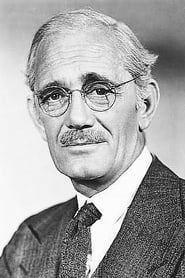
Philip Merivale
Actor
Born: November 2, 1886 in London, England Died: March 12, 1946 Active: 1914-1946
Films
1 film
About Philip Merivale
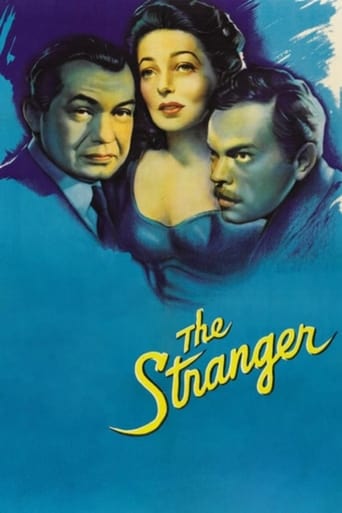
British actor and playwright who enjoyed a successful career spanning three decades in both stage and film. Born in London in 1886, he began his career on the British stage before transitioning to films in the silent era. Merivale established himself as a versatile character actor, appearing in numerous Hollywood productions during the 1930s and 1940s. His stage background contributed to his commanding presence and refined delivery, making him particularly effective in roles requiring authority and sophistication. He worked with some of Hollywood's most prominent directors, including Orson Welles in his final film, The Stranger (1946). Beyond acting, Merivale was also an accomplished playwright, having written several stage productions. His career was cut short by his death in March 1946, just before the release of his final film, which would become one of his most memorable performances.
The Craft
On Screen
Merivale was known for his refined, theatrical acting style that reflected his extensive stage training. He brought a dignified, authoritative presence to his roles, often playing characters of wealth, education, or social standing. His delivery was precise and articulate, with a distinctive British accent that added authenticity to his portrayals of aristocrats, doctors, and professionals. Merivale's technique emphasized clear enunciation and controlled emotional expression, typical of classical British acting training of his era.
Milestones
- Stage debut in London (1914)
- Transition to Hollywood films in 1930s
- Notable role in Dodsworth (1936)
- Memorable performance in The Great Lie (1941)
- Final film appearance in The Stranger (1946)
- Successful career as a playwright
Best Known For
Iconic Roles
Must-See Films
Accolades
Special Recognition
- Star on Hollywood Walk of Fame (posthumous)
Working Relationships
Worked Often With
Studios
Why They Matter
Impact on Culture
Philip Merivale represented the bridge between British theatrical tradition and Hollywood's Golden Age cinema. His successful transition from stage to screen exemplified the adaptation of classical acting techniques to the new medium of film. As a British actor working in Hollywood during the 1930s and 1940s, he contributed to the internationalization of American cinema and helped establish the archetype of the sophisticated British character actor that would become a staple in Hollywood films. His work in films like The Stranger demonstrated how European theatrical training could enhance American film performances.
Lasting Legacy
Philip Merivale's legacy endures through his memorable film performances and his influence on subsequent generations of British actors in Hollywood. His final performance in The Stranger remains one of his most lasting contributions to cinema, showcasing his ability to hold his own alongside formidable talents like Orson Welles and Edward G. Robinson. As a playwright, he also contributed to theatrical literature, though his acting career overshadowed his writing achievements. His son John Merivale continued the family tradition, becoming a successful actor in both British and American productions.
Who They Inspired
Merivale influenced the approach of British actors to Hollywood films by demonstrating how theatrical training could be adapted for the camera without losing its sophistication. His dignified, controlled style of acting provided a model for character actors who followed, particularly in portraying authority figures and educated professionals. His successful career path from British stage to Hollywood films inspired many British actors to seek opportunities in American cinema while maintaining their distinctive acting sensibilities.
Off Screen
Philip Merivale led a relatively private life focused on his theatrical and film career. He was deeply committed to his craft, maintaining connections with both British and American theater communities throughout his career. His marriage to actress Veda Buckland was a significant personal partnership that lasted over three decades until her death. The couple often worked together in theatrical productions. Merivale was known among his colleagues as a consummate professional who brought his theatrical discipline to film sets.
Education
Educated in London, with formal training in dramatic arts; attended prestigious acting schools in England
Family
- Veda Buckland (1911-1945)
Did You Know?
- Died just before the release of his final film, The Stranger (1946)
- Was an accomplished playwright in addition to acting
- His son John Merivale became a successful actor
- Often played doctors, professors, and aristocrats due to his dignified appearance
- Maintained his British accent throughout his Hollywood career
- Worked with both Bette Davis and Joan Crawford in different films
- Was part of the transition from silent films to talkies
- His stage career preceded his film career by nearly two decades
- Appeared in over 40 films during his Hollywood career
- Was known for his professionalism and reliability on film sets
In Their Own Words
The stage is our training ground, but film is our canvas
Acting is not about becoming someone else, but revealing the someone within
British actors bring a certain restraint that American audiences find intriguing
Frequently Asked Questions
Who was Philip Merivale?
British with credits in this catalog. He was known for his refined, authoritative presence and often played sophisticated characters in Hollywood films during the Golden Age.
What films is Philip Merivale best known for?
Titles linked here include The Stranger (1946), The Great Lie (1941).
When was Philip Merivale born and when did he die?
Born November 2, 1886; died March 12, 1946.
What awards did Philip Merivale win?
While Philip Merivale did not receive major film awards during his lifetime, he was honored posthumously with a star on the Hollywood Walk of Fame for his contributions to the film industry. His greatest recognition came from his consistent work and respect from fellow actors and directors.
What was Philip Merivale's acting style?
Merivale's acting style was characterized by his theatrical training, featuring refined delivery, clear articulation, and controlled emotional expression. He brought a dignified, authoritative presence to his roles, often playing characters of education and social standing with a distinctive British sophistication.
Did Philip Merivale have any famous family members?
Yes, his son John Merivale became a successful actor in both British and American films. John Merivale appeared in numerous films and television productions from the 1950s through the 1980s, continuing the family's acting legacy.
What was Philip Merivale's connection to theater?
Merivale began his career on the British stage in 1914 and maintained strong ties to theater throughout his life. He was not only an accomplished stage actor but also wrote several plays. His theatrical background significantly influenced his film acting style and contributed to his success in character roles.