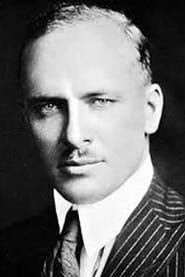
John G. Blystone
Director
Born: December 2, 1892 in Rice Lake, Wisconsin, USA Died: August 6, 1938 Active: 1915-1938 Birth Name: John Gilman Blystone
Films
2 films
About John G. Blystone
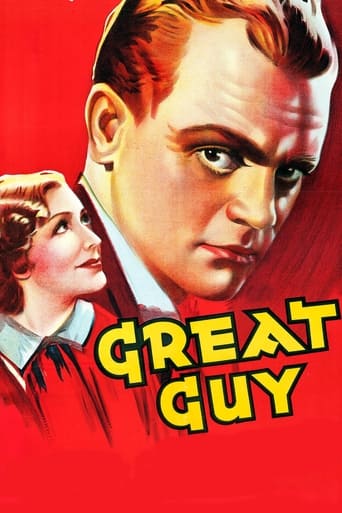
Prolific and highly versatile American film director who transitioned successfully from the silent era into the early sound period of Hollywood. Born in Wisconsin, he began his career in the mid-1910s, initially working on short comedies before becoming a mainstay at Fox Film Corporation (later 20th Century-Fox). He was particularly renowned for his ability to handle diverse genres, ranging from slapstick comedies with Buster Keaton and Laurel and Hardy to gritty dramas and Westerns. Throughout the 1920s and 1930s, Blystone became known as a reliable 'studio hand' who could deliver high-quality commercial successes on tight schedules. His work with Buster Keaton on 'Our Hospitality' (1923) is often cited as a masterpiece of silent comedy, showcasing his skill for integrating complex gags with narrative structure. In the sound era, he directed major stars like James Cagney in 'Great Guy' (1936) and Will Rogers in several popular features, solidifying his reputation as a director who understood the rhythms of both physical comedy and dialogue-driven drama. His sudden death in 1938 at the age of 45 cut short a career that had spanned over 100 directorial credits.
The Craft
Behind the Camera
Blystone was characterized by a pragmatic and efficient directing style that prioritized narrative clarity and pacing. In his silent comedies, he excelled at 'mechanical' humor and large-scale physical gags, often collaborating closely with his stars to ensure the timing was mathematically precise. When sound arrived, he adapted by focusing on naturalistic performances and clear dialogue delivery, often using a multi-camera setup to capture spontaneous reactions. He was known for his ability to work across genres—Westerns, musicals, and crime dramas—without losing his signature sense of visual balance and audience engagement.
Milestones
- Directed the silent comedy classic 'Our Hospitality' (1923) starring Buster Keaton
- Signed a long-term contract with Fox Film Corporation in the early 1920s, becoming one of their most dependable directors
- Directed the first screen version of 'The Family Upstairs' (1926)
- Successfully transitioned to sound films with the musical comedy 'Sunny Side Up' (1929)
- Directed James Cagney in the 1936 independent hit 'Great Guy' for Grand National Pictures
- Helmed the Laurel and Hardy classic 'Swiss Miss' (1938) shortly before his death
- Directed several of Will Rogers' most successful films, including 'Too Busy to Work' (1932)
Best Known For
Must-See Films
Accolades
Won
- Photoplay Magazine Medal of Honor (1924) - Nominated for Our Hospitality
Special Recognition
- Recognized as one of the top-grossing directors of the 1920s by Motion Picture News
- Posthumous recognition in various silent film retrospectives for his collaboration with Buster Keaton
Working Relationships
Worked Often With
Studios
Why They Matter
Impact on Culture
Blystone played a crucial role in the development of the 'feature-length comedy,' helping to move the genre away from disconnected sketches toward integrated, character-driven narratives. His work on 'Our Hospitality' influenced the visual language of silent comedy by proving that high-stakes drama and slapstick could coexist effectively. During the Great Depression, his films with Will Rogers provided a sense of populist comfort to American audiences, reflecting the values and anxieties of the era through a lens of gentle satire and sentimentality.
Lasting Legacy
While sometimes overshadowed by the 'auteur' directors of his time, Blystone is remembered by film historians as a master craftsman who defined the 'studio style' of the 1920s and 30s. He is credited with helping to launch the sound era's musical craze through 'Sunny Side Up' and for providing some of the most polished entries in the filmographies of legends like Buster Keaton and Laurel and Hardy. His ability to jump between studios and genres made him a blueprint for the successful professional director in the Golden Age of Hollywood.
Who They Inspired
His precise timing and use of location shooting in 'Our Hospitality' influenced later generations of comedy directors who sought to ground their humor in a realistic setting. Directors of the 1940s and 50s often looked to his Fox features as examples of efficient, high-production-value storytelling.
Off Screen
John G. Blystone was part of a notable Hollywood family; his brothers Jasper Blystone and Richard Blystone also worked in the film industry as assistant directors. He was married to Gwendolyn Davis, and the couple remained together until his untimely death. He was known within the industry as a quiet, hardworking professional who avoided the flamboyant social scene of Hollywood, preferring to focus on the technical aspects of filmmaking.
Education
Public schools in Wisconsin and later attended the University of Wisconsin before moving to California to pursue a career in the burgeoning film industry.
Family
- Gwendolyn Davis (Dates unavailable)
Did You Know?
- He directed Buster Keaton in 'Our Hospitality', which featured.
- Blystone died of a sudden heart attack at the young age of 45, just as his career was reaching a new peak with Laurel and Hardy.
- He was the director of 'The Sky Hawk' (1929), one of the earliest and most technically ambitious sound films involving aerial combat.
- Despite his long career at Fox, he directed James Cagney in 'Great Guy' for the short-lived independent studio Grand National.
- His brother, Jasper Blystone, was the assistant director on many of his films and later worked on 'The Grapes of Wrath'.
- He was known for being one of the few directors who could successfully manage the eccentricities of both Buster Keaton and the duo of Laurel and Hardy.
In Their Own Words
The secret to a good comedy is not just the gag, but the reason for the gag. (Context: Discussing his approach to narrative comedy in a 1920s trade interview)
A director's job is to be the audience's eyes before the audience even gets to the theater. (Context: Regarding his philosophy on camera placement and editing)
Frequently Asked Questions
Who was John G. Blystone?
Prominent American on YTB.my.
What films is John G. Blystone best known for?
Titles linked here include Our Hospitality (1923), Seven Chances (1925).
When was John G. Blystone born and when did he die?
Born December 2, 1892; died August 6, 1938.
What awards did John G. Blystone win?
While he did not win an Academy Award, his film 'Our Hospitality' was highly acclaimed and received a Photoplay Medal of Honor nomination, and his films were consistent box-office successes.
What was John G. Blystone's directing style?
Blystone was known for his technical precision, particularly in physical comedy, and his ability to efficiently manage large-scale productions while maintaining a clear, engaging narrative flow.