
Richard Garrick
Actor
Born: December 27, 1878 in Portlaw, County Waterford, Ireland Died: August 28, 1962 Active: 1914-1942 Birth Name: Richard Thomas O'Brien
Films
1 film
About Richard Garrick
Richard Garrick, born Richard Thomas O'Brien, was an Irish-American actor who began his career in theater before transitioning to films during the silent era. After emigrating from Ireland to the United States, he initially pursued engineering studies before discovering his passion for acting, leading him to train at the American Academy of Dramatic Arts. Garrick made his film debut in 1914 and quickly established himself as a reliable character actor, appearing in numerous silent films throughout the 1910s and 1920s. Unlike many silent era stars, Garrick successfully made the transition to sound films, continuing his career through the 1930s and early 1940s. He was known for his distinctive appearance and versatile performances, often playing authority figures, professionals, or character roles that required gravitas and authenticity. His nearly three decades in the film industry, during which he worked with major studios and appeared in both leading and supporting capacities. Garrick retired from acting in the early 1940s, leaving behind a legacy of consistent, professional performances that contributed to the golden age of Hollywood cinema.
The Craft
On Screen
Garrick was known for his naturalistic and understated acting style, which evolved from his theatrical training but adapted well to the camera. His performances were characterized by subtle facial expressions and controlled movements that conveyed emotion without melodrama. He had a distinctive presence that allowed him to play authority figures and professionals convincingly, using his rich voice and dignified bearing to great effect in talkies. His approach emphasized authenticity and restraint, making him particularly effective in supporting roles where he could provide a grounded counterpoint to more dramatic performances.
Milestones
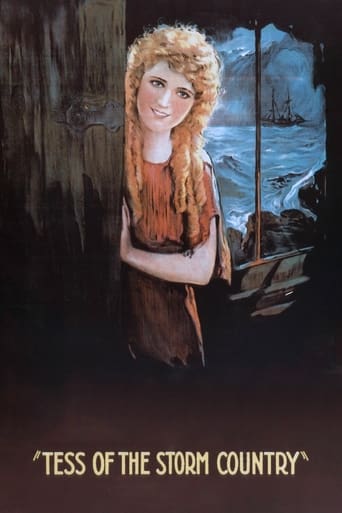
- Film debut in Tess of the Storm Country (1914)
- Successful transition from silent films to talkies
- Character roles in major 1930s productions
- Nearly three-decade career in film
- Work with major Hollywood studios including Warner Bros., Paramount, and MGM
Best Known For
Iconic Roles
Must-See Films
Working Relationships
Worked Often With
Studios
Why They Matter
Impact on Culture
Richard Garrick contributed to the representation of Irish-American actors in early Hollywood, helping to diversify the face of American cinema during its formative years. His successful transition from silent films to talkies demonstrated the adaptability required of character actors during this pivotal period in film history. Garrick's consistent presence in supporting roles throughout the 1930s helped establish the importance of reliable character actors in creating believable cinematic worlds. His work in biographical films contributed to the genre's development, particularly in films like 'The Story of Louis Pasteur' where he helped bring historical authenticity to the productions.
Lasting Legacy
Richard Garrick's legacy lies in his contribution to the craft of character acting during Hollywood's golden age. While never a leading man, his consistent and reliable performances in supporting roles helped establish the foundation upon which many classic films were built. His successful career spanning from the silent era through the early 1940s shows the adaptability and professionalism required of actors during this transformative period in cinema history. Garrick's work continues to be appreciated by film historians and classic cinema enthusiasts who recognize the vital importance of character actors in creating memorable films.
Who They Inspired
Garrick influenced subsequent generations of character actors through his demonstration of how to build a sustainable career through reliability and versatility rather than stardom. His naturalistic acting style, which evolved from theatrical roots but adapted well to film, provided a model for other stage actors transitioning to cinema. His success in biographical films helped establish conventions for portraying historical figures that would influence later performances in the genre.
Off Screen
Richard Garrick was married to actress Edith Bristow, with whom he shared both personal and professional aspects of his life in the entertainment industry. The couple had no children together. Garrick was known for his professionalism and dedication to his craft, maintaining a relatively private personal life despite his long career in Hollywood. He was well-respected among his peers for his reliability and consistency as a character actor, often being called upon for roles that required dignity and authority.
Education
Studied engineering before attending the American Academy of Dramatic Arts
Family
- Edith Bristow
Did You Know?
- Originally studied engineering before pursuing acting
- Changed his name from Richard Thomas O'Brien to Richard Garrick for his stage career
- Successfully transitioned from silent films to talkies when many actors couldn't
- Appeared in over 100 films during his career
- Began his career in theater before moving to films
- Was of Irish birth but became an American citizen
- His film debut was in the notable Mary Pickford film 'Tess of the Storm Country'
- Often played doctors, professors, and other authority figures
- Worked consistently through the Great Depression when many actors struggled
- Retired from acting in the early 1940s and lived in Hollywood until his death
Frequently Asked Questions
Who was Richard Garrick?
Irish-American character with credits in this catalog. Born Richard Thomas O'Brien in Ireland, he became known for his reliable supporting roles and successful transition from silent films to talkies.
What films is Richard Garrick best known for?
Titles linked here include Tess of the Storm Country (1914), The Story of Louis Pasteur (1935).
When was Richard Garrick born and when did he die?
Born December 27, 1878; died August 28, 1962.
What awards did Richard Garrick win?
Richard Garrick did not receive major awards or nominations during his career, though he was well-respected in the industry for his professionalism and consistent performances as a character actor.
What was Richard Garrick's acting style?
Garrick was known for his naturalistic and understated acting style, characterized by subtle expressions and controlled movements. His theatrical training gave him a strong foundation, which he successfully adapted for film, making him particularly effective in authority roles and character parts that required dignity and authenticity.