Emiko Yagumo
Actor
Born: August 15, 1903 in Kita-ku, Osaka, Japan Died: January 13, 1979 Active: 1926-1937 Birth Name: Chiyoko Tamano
Films
1 film
About Emiko Yagumo
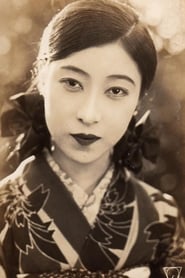
Prominent Japanese actress of the silent and early sound eras, best remembered for her collaborations with director Yasujirō Ozu. Born Chiyoko Tamano in Osaka, she initially trained in traditional Yamamura-ryu dance before a brief, rebellious period in Shanghai led her to become a geisha upon her return to Japan. She entered the film industry in 1926 by joining the Shochiku Kamata Studio, where she quickly rose to prominence as a 'kanbu' (leading actress). Yagumo became an figure of the 'modan gāru' (modern girl) subculture, representing the sophisticated, Western-influenced urban woman of the Taisho and early Showa periods. Her career reached its artistic peak in the early 1930s with powerful performances in films like 'That Night's Wife' (1930) and 'Tokyo Chorus' (1931). After appearing in over 110 films, she changed her stage name to Rieko Yagumo in 1934 and eventually retired from the screen in 1938 to establish a successful cosmetics company.
The Craft
On Screen
Yagumo was celebrated for her ability to balance traditional Japanese grace with a modern, cosmopolitan sensibility. In her silent roles, she utilized subtle facial expressions and a refined physical presence that aligned with the 'Kamatachō' style—a realistic, humanistic approach to acting championed by Shochiku. She was particularly adept at portraying resilient wives and sophisticated urban women, often conveying deep emotional strength beneath a composed exterior.
Milestones
- Joined the Shochiku Musical Theatre Department in 1924 and Shochiku Kamata Studio in 1926
- Achieved 'kanbu' (leading actress) status by the age of 19
- Starred in eight major films alongside leading man Denmei Suzuki between 1928 and 1931
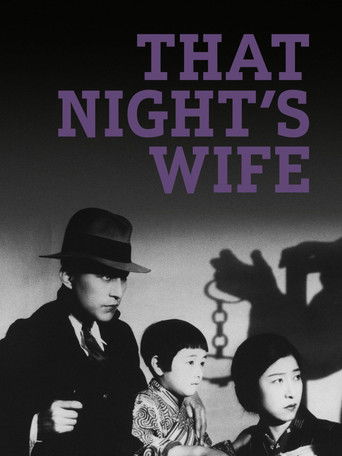
- Delivered a career-defining performance as Mayumi in Yasujirō Ozu's 'That Night's Wife' (1930)
- Became a primary face of the 'Modern Girl' (Moga) movement in Japanese cinema and advertising
- Successfully transitioned from silent films to early talkies before retiring at the height of her fame
Best Known For
Iconic Roles
Must-See Films
Accolades
Won
- Kinema Junpo Awards - Recognition for various leading roles during the late 1920s and early 1930s
Special Recognition
- Designated as a 'Kanbu' actress at Shochiku, a high-ranking status for elite performers
- Featured icon for major Japanese cosmetic brands during the 1930s
Working Relationships
Worked Often With
Studios
Why They Matter
Impact on Culture
Central figure in the 'Modan Gāru' (Modern Girl) phenomenon of 1920s and 30s Japan. She represented a shift in Japanese womanhood, moving away from the strictly traditional 'Meiji' ideal toward a Westernized, independent, and fashion-forward identity. Her presence in advertisements for face powders and cosmetics further cemented her role as a cultural trendsetter whose influence extended beyond the cinema screen into the daily lives and aspirations of Japanese women.
Lasting Legacy
Yagumo's legacy is preserved through her work in the foundational films of Yasujirō Ozu. As one of the early stars of the Shochiku 'shomin-geki' (common people drama) genre, she helped define the naturalistic acting style that would become a hallmark of Japanese cinema's Golden Age. Her performance in 'That Night's Wife' remains a textbook example of early Japanese noir and domestic drama, showcasing her as a pivotal bridge between the silent era's stylized performance and the psychological realism of later decades.
Who They Inspired
She influenced a generation of Japanese actresses who sought to portray modern, complex female characters. Her transition from a geisha background to a film star and eventually a successful entrepreneur served as an early model of female independence in the Japanese entertainment industry.
Off Screen
Born in Osaka, she was the daughter of a family with traditional roots, which led to her early training in classical dance. At age 18, she famously fled her home to follow a lover to Shanghai, a scandalous move at the time that contributed to her public image as a daring and modern woman. After her retirement from acting in 1938, she transitioned into the business world, founding a beauty products company that utilized her fame as a former style icon.
Education
Trained in Yamamura-ryu classical dance; attended the Shochiku Musical Theatre Department (Osaka) in 1924.
Did You Know?
- She appeared in over 110 films during her twelve-year career.
- Her real name was Chiyoko Tamano, but she changed her stage name to Rieko Yagumo in 1934.
- She was one of the first Japanese actresses to be featured heavily in commercial advertising for cosmetics.
- In 'That Night's Wife', she famously disarms a detective with a gun, a striking image of female agency for 1930s cinema.
- She retired at the relatively young age of 35 to pursue a career in the beauty industry.
- She was a trained practitioner of Yamamura-ryu, a traditional school of Japanese dance.
In Their Own Words
I wanted to portray women as they truly were, not just as they were expected to be in old stories.
Frequently Asked Questions
Who was Emiko Yagumo?
Celebrated Japanese actress of the silent film era and early talkies, known for her leading roles at Shochiku Kamata Studio. She was a key collaborator of director Yasujirō Ozu and a symbol of the 'Modern Girl' movement in Japan.
What films is Emiko Yagumo best known for?
Titles linked here include That Night's Wife (Sono yo no tsuma, 1930), Tokyo Chorus (Tōkyō no kōrasu, 1931).
When was Emiko Yagumo born and when did she die?
Born August 15, 1903; died January 13, 1979.
What was Emiko Yagumo's acting style?
Her style was characterized by a blend of traditional Japanese restraint and modern realism. She was known for her expressive but subtle performances in 'shomin-geki' films, which focused on the lives of ordinary people.
Why did Emiko Yagumo retire from acting?
After a prolific career of over 110 films, she retired in 1938 to start her own cosmetics company, successfully transitioning from a screen icon to a business entrepreneur.