Films
1 film
About Clem Beauchamp
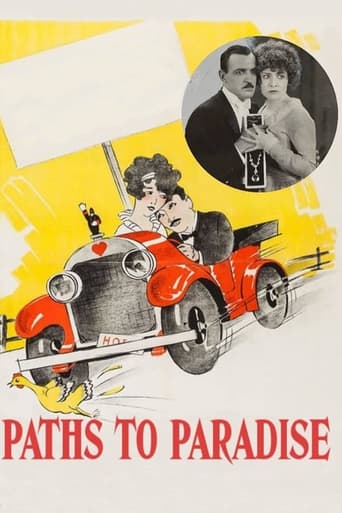
American actor of the silent era, with his known filmography consisting primarily of a single notable appearance in the 1925 comedy 'Paths to Paradise.' As a character actor in the mid-1920s, Beauchamp was part of the vast ensemble of performers who populated Hollywood's thriving studio system during the golden age of silent cinema. His career, while brief, coincided with the peak of silent film production when actors were in constant demand for the hundreds of films being produced annually. Like many supporting actors of his era, Beauchamp's work contributed to the silent film storytelling, even if his name was not widely remembered in subsequent decades. His appearance in 'Paths to Paradise,' a comedy directed by Clarence G. Badger and starring Raymond Griffith and Betty Compson, represents his most documented contribution to cinema history. The limited documentation of his career is typical of many character actors from this period whose filmographies were not comprehensively preserved in studio records or industry publications.
The Craft
Milestones
- Appeared in the silent comedy 'Paths to Paradise' (1925)
Best Known For
Must-See Films
Why They Matter
Impact on Culture
Clem Beauchamp's contribution to cinema, while limited in scope, represents the important role that character actors played in the silent film era. His appearance in 'Paths to Paradise' (1925) places him within the context of Hollywood's golden age of silent comedy, where even small roles were crucial to the success of productions. Like many supporting actors of his time, Beauchamp was part of the vast infrastructure that allowed studios to produce hundreds of films annually, contributing to the rich visual storytelling that defined silent cinema. His work, though not extensively documented, exemplifies how countless actors collectively created the memorable films of the 1920s, even when individual names were lost to history.
Lasting Legacy
Clem Beauchamp's legacy is primarily preserved through his documented appearance in 'Paths to Paradise' (1925), a film that survives as an example of late silent-era comedy. While his career was brief and his name not widely remembered, he represents the thousands of character actors who were essential to Hollywood's production system during the silent era. His inclusion in film archives and databases ensures that even the smallest contributors to cinema history are not entirely forgotten, serving as a reminder of the collaborative nature of filmmaking and the many unsung performers who helped create classic films.
Who They Inspired
As a character actor with a very brief documented career, Clem Beauchamp's direct influence on subsequent generations of actors or filmmakers is not well-documented. However, like all performers from the silent era, his work contributed to the development of film acting techniques and storytelling methods that would influence cinema for decades to come.
Off Screen
Very little documented information exists about Clem Beauchamp's personal life, which is typical of many character actors from the silent era whose biographical details were not extensively recorded in contemporary publications or preserved in historical archives.
Did You Know?
- Clem Beauchamp's entire known filmography consists of appearances in 1925, suggesting either a very brief career or incomplete documentation of his work
- His most documented role was in 'Paths to Paradise' (1925), a silent comedy directed by Clarence G. Badger
- The film 'Paths to Paradise' starred Raymond Griffith and Betty Compson, two prominent silent era actors
- Like many character actors of the silent era, detailed biographical information about Beauchamp is scarce in historical records
- His career coincided with the final years of silent cinema before the transition to sound films in the late 1920s
Frequently Asked Questions
Who was Clem Beauchamp?
American with credits in this catalog.' His documented career was brief, with activity recorded only in 1925.
What films is Clem Beauchamp best known for?
Titles linked here include Paths to Paradise (1925).
When was Clem Beauchamp born and when did he die?
Specific birth and death dates for Clem Beauchamp are not well-documented in historical records, which is common for many character actors from the silent era.
What awards did Clem Beauchamp win?
There are no documented awards or nominations for Clem Beauchamp, which was typical for many supporting actors during the silent film era.
What was Clem Beauchamp's acting style?
Detailed information about Clem Beauchamp's specific acting style is not well-documented, though as a silent era performer he would have worked within the physical and expressive acting techniques common to that period.