Films
2 films
About Ashley Miller
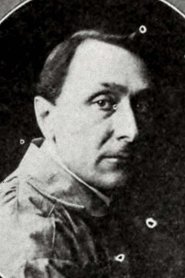
Early American film director active during the silent era, primarily known for his work in the early 1910s. His career, though brief, coincided with a transformative period in American cinema as the industry was transitioning from short novelty films to more sophisticated storytelling. Miller directed at least two notable films: 'Children Who Labor' (1912), which was part of the growing social reform movement in cinema, and 'One Touch of Nature' (1914), demonstrating his engagement with both social commentary and human interest stories. His directorial work spanned the crucial years when American cinema was establishing its artistic and commercial foundations. Like many directors of his era, Miller likely worked for various studios as the film industry was still organizing itself into the studio system that would dominate Hollywood in later decades. His filmography, while limited, reflects the diverse types of content being produced in early American cinema, from socially conscious documentaries to narrative features.
The Craft
Behind the Camera
Miller's directing style appears to have aligned with the emerging documentary and social reform traditions of early American cinema, particularly evident in 'Children Who Labor' which addressed social issues affecting working children. His work demonstrated the growing sophistication of narrative techniques being developed in the early 1910s, as filmmakers moved beyond simple tableaux toward more complex storytelling methods.
Milestones
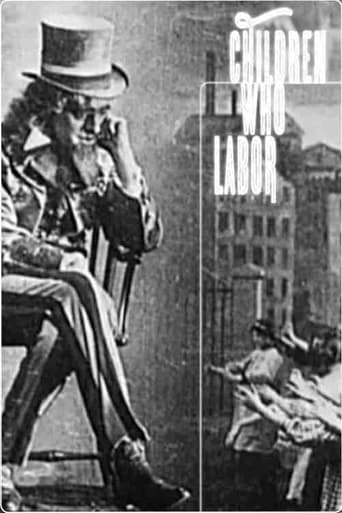
- Directed 'Children Who Labor' (1912)
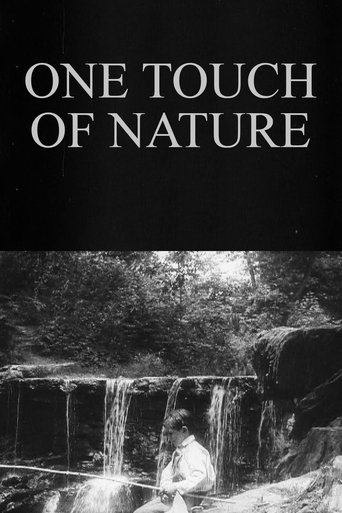
- Directed 'One Touch of Nature' (1914)
- Active during the formative years of American cinema
- Contributed to early social reform filmmaking
Best Known For
Must-See Films
Working Relationships
Studios
Why They Matter
Impact on Culture
Ashley Miller's contribution to early American cinema, while not widely documented, represents the work of countless filmmakers who helped establish the foundations of the American film industry. His film 'Children Who Labor' (1912) is significant as part of the early social reform movement in cinema, which used the new medium to raise awareness about social issues. This type of filmmaking helped demonstrate cinema's potential beyond mere entertainment, establishing it as a vehicle for social commentary and change. The early 1910s was a crucial period when American cinema was developing its unique identity, and directors like Miller, though not widely remembered today, were part of this foundational period that would eventually lead to Hollywood's Golden Age.
Lasting Legacy
While Ashley Miller is not widely remembered in film history today, his work represents the contributions of the many early filmmakers who helped shape American cinema during its formative years. The films he directed, particularly 'Children Who Labor,' serve as important examples of early social documentary filmmaking in America. His career, spanning 1912-1914, places him among the pioneers who worked during the transition from cinema's earliest days to the more sophisticated narrative filmmaking of the mid-1910s. These early directors laid the groundwork for the technical and artistic developments that would define American cinema in the decades to follow.
Who They Inspired
Due to the limited documentation of Ashley Miller's career and the relatively small scope of his known work, his direct influence on later filmmakers is difficult to trace. However, like many early cinema pioneers, his work contributed to the collective development of film language and techniques that would be built upon by subsequent generations of filmmakers. His engagement with social themes in 'Children Who Labor' anticipated the later development of social consciousness in American cinema, influencing how filmmakers would approach documentary and socially relevant content.
Off Screen
Very limited information is available about Ashley Miller's personal life, which is common for many early cinema figures who were not major stars or prominent directors. The documentation of personal details for filmmakers of this era was often sparse, particularly for those who had brief careers or worked primarily in short films.
Did You Know?
- Active during the early silent era when American cinema was still establishing its artistic foundations
- Directed 'Children Who Labor' in 1912, part of early social reform filmmaking movement
- His known filmography spans only 1912-1914, a brief but historically significant period
- Like many early film directors, detailed biographical information is scarce
- His work represents the contributions of countless early cinema pioneers who are largely forgotten today
- The early 1910s when he worked saw the transition from short films to longer, more complex narratives
- His film 'One Touch of Nature' (1914) demonstrates the human interest stories popular in early cinema
Frequently Asked Questions
Who was Ashley Miller?
Early American on YTB.my. He is primarily known for directing 'Children Who Labor' (1912) and 'One Touch of Nature' (1914), representing the work of early cinema pioneers who helped establish American filmmaking during its formative years.
What films is Ashley Miller best known for?
Titles linked here include Children Who Labor (1912), One Touch of Nature (1914).
When was Ashley Miller born and when did he die?
Specific birth and death dates for Ashley Miller are not documented in available historical records, which is common for many early cinema figures who were not major stars. His active active years covered from 1912 to 1914 during the silent era.
What awards did Ashley Miller win?
There are no documented awards or honors for Ashley Miller, which is typical for filmmakers working in the early 1910s before the establishment of major film awards like the Academy Awards (which began in 1929).
What was Ashley Miller's directing style?
Based on his known work, particularly 'Children Who Labor,' Miller's directing style appears to have aligned with early social documentary and reform filmmaking. His work demonstrated the growing sophistication of narrative techniques being developed in the early 1910s as American cinema evolved beyond simple tableaux.
Why is so little known about Ashley Miller today?
Limited information about Ashley Miller is typical of many early cinema figures who worked primarily in short films and were not major stars. The documentation of early filmmakers was often sparse, many films from this period have been lost, and historical focus has tended to concentrate on the most prominent figures of the era.