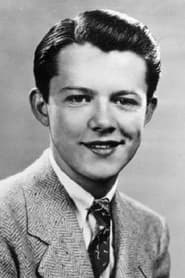
Lon McCallister
Actor
Born: May 17, 1923 in Los Angeles, California, USA Died: December 12, 2009 Active: 1940s-1950s
Films
2 films
About Lon McCallister
American actor: career was concentrated in the late 1940s and early 1950s, when he became familiar to audiences as a youthful, appealing screen presence in both feature films and serial work. He is best remembered for appearing in The Red House (1947), a moody thriller that has endured as one of the more atmospheric postwar Hollywood suspense pictures, and The Big Cat (1950), where he played one of the central leads in a rugged adventure setting. McCallister's screen image fit the era's preference for fresh-faced, sympathetic young men, and he often played earnest, emotionally open characters rather than hard-edged stars. His career appears to have been relatively brief in the feature-film spotlight, which is not unusual for performers whose Hollywood moment was tied to a specific postwar cycle of youth-oriented stories. He worked during a period when studios were especially attentive to new contract players, and his filmography reflects that system's emphasis on supporting and emerging talent. Although he did not become a major long-term star, his performances remain of interest to classic-film viewers because they capture the transitional style of late-1940s Hollywood acting: naturalistic, restrained, and carefully aligned with studio storytelling. Beyond the films most associated with his name, he is remembered as part of the generation of actors whose careers helped populate the rich middle tier of American studio-era cinema.
The Craft
On Screen
McCallister's screen style was understated, natural, and boyishly sincere, which made him a good fit for roles that required vulnerability, decency, or quiet determination. He tended to project emotional accessibility rather than larger-than-life bravado, and his performances often relied on clarity of expression and a clean, unforced delivery. In the studio era's casting logic, that kind of temperament was especially useful for coming-of-age material, adventure stories, and suspense dramas that needed a relatable center. He was less associated with flamboyant character work than with believable, grounded portrayals of ordinary young men drawn into dramatic circumstances.
Milestones
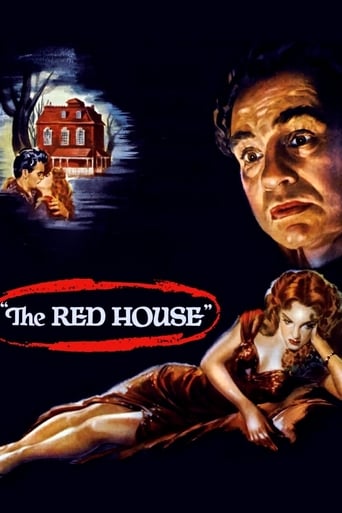
- Appeared in the atmospheric thriller The Red House (1947), one of his best-remembered screen credits
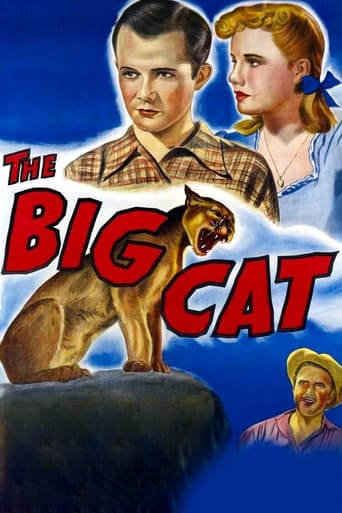
- Starred in the adventure film The Big Cat (1950), reinforcing his image as a youthful leading man
- Worked steadily in the postwar studio system, where he was cast in roles suited to earnest, sympathetic young characters
- Built a career that is notable for its association with classic Hollywood genre filmmaking rather than celebrity scandal or self-mythology
- Remained a recognizable name among classic-film enthusiasts for his contributions to late-1940s cinema
Best Known For
Iconic Roles
Must-See Films
Working Relationships
Worked Often With
Studios
Why They Matter
Impact on Culture
Lon McCallister's cultural impact lies less in star iconography than in his role as a representative face of postwar Hollywood youth. He contributed to the era's cycle of films that relied on fresh, approachable young actors to anchor stories of danger, innocence, and moral testing. In The Red House, his presence helps sustain the film's tension between domestic mystery and psychological unease, while The Big Cat places him in a more open, action-oriented environment that shows how studios used young performers to broaden the appeal of adventure pictures. For viewers of classic cinema, McCallister is part of the fabric of the studio era: a dependable, recognizable performer whose work helps define the texture of mid-century American film even without the status of an A-list marquee name.
Lasting Legacy
His legacy is that of a classic Hollywood actor whose surviving film work is valued by historians and enthusiasts for its quality of presence rather than for a large or highly publicized body of work. He remains notable as a reminder of how many capable performers sustained the studio system through important supporting and minor leading roles. In film history, actors like McCallister are essential to understanding how genre films were cast and how studios cultivated youthful talent for suspense, drama, and adventure pictures. His most enduring films continue to circulate among classic-cinema audiences, preserving his contribution to the period's screen culture.
Who They Inspired
McCallister's influence was indirect rather than trendsetting: he exemplified a type of restrained, emotionally legible young lead that remained useful in American cinema well beyond the studio era. His performances helped normalize a cleaner, more conversational acting mode for youthful roles, especially in films aimed at audiences who wanted sincerity over theatricality. While he is not generally cited as a major influence on later generations by name, his work belongs to the continuum of screen acting that shaped the look and feel of mid-century Hollywood youth roles.
Off Screen
Publicly available information about McCallister's private life is limited compared with major studio stars, and he is not widely remembered for a heavily documented offscreen persona. As a result, reliable details about marriages, family life, and later personal pursuits are comparatively sparse in standard reference summaries. He appears to have maintained a relatively low profile after his screen career, which has contributed to the scarcity of widely circulated biographical material. Because of this, a complete personal-life profile is difficult to reconstruct from commonly available classic-cinema sources alone.
Did You Know?
- He is best remembered today for just a small number of titles, which has made those films especially important to his reputation.
- The Red House (1947) is often cited as his most interesting surviving credit because of the film's eerie, psychological atmosphere.
- He appeared in The Big Cat (1950), showing that he was cast in both suspenseful and outdoor adventure material.
- McCallister's career is a good example of how some studio-era performers worked steadily without becoming major household names.
- Because he was active in the late 1940s, his work reflects the shift from wartime screen values to postwar melodrama and youth-centered storytelling.
- He is a figure of interest to classic-film collectors and researchers who track lesser-known contract players from the studio period.
- Compared with many stars of the era, he left behind relatively little widely circulated personal publicity, which adds to his obscurity today.
Frequently Asked Questions
Who was Lon McCallister?
American with credits in this catalog. He is best known for appearing in The Red House and The Big Cat, where he played sympathetic young lead roles.
What films is Lon McCallister best known for?
Titles linked here include The Red House (1947), The Big Cat (1950).
When was Lon McCallister born and when did he die?
Born May 17, 1923; died December 12, 2009.
What awards did Lon McCallister win?
No major awards or widely documented nominations are commonly associated with Lon McCallister in standard reference sources. His recognition comes primarily from his film work and his place in classic Hollywood history.
What was Lon McCallister's acting style?
His acting style was restrained, natural, and boyishly sincere. He was especially effective as an earnest young man in suspense and adventure films, where a relatable, grounded presence was important.
What was Lon McCallister's legacy in classic cinema?
His legacy is that of a capable studio-era performer whose work helped define the texture of late-1940s Hollywood. He remains of interest to classic-film fans because his surviving films show how important mid-level leading men were to the studio system.