
Ona Munson
Actor
Born: June 16, 1903 in Portland, Oregon, USA Died: February 11, 1955 Active: 1928-1955 Birth Name: Owena Elizabeth Wolcott
Films
2 films
About Ona Munson
Ona Munson is credited on a single production — Gone with the Wind (1939). Despite a relatively brief film career, her impact on classic cinema remains significant, particularly through her performance in one of Hollywood's most celebrated films.
The Craft
On Screen
Ona Munson possessed a distinctive acting style characterized by her rich, husky voice and commanding presence, often portraying strong-willed, independent women with underlying vulnerability. Her technique blended theatrical training with naturalistic film performance, allowing her to bring depth to characters that might otherwise be one-dimensional. Munson had a particular talent for playing women of questionable reputation but with hearts of gold, using subtle facial expressions and controlled vocal modulation to convey complex emotions beneath tough exteriors.
Milestones
- Broadway debut in 'The Little Show' (1929)
- Breakthrough role as Belle Watling in 'Gone with the Wind' (1939)
- Leading role in 'The Shanghai Gesture' (1941)
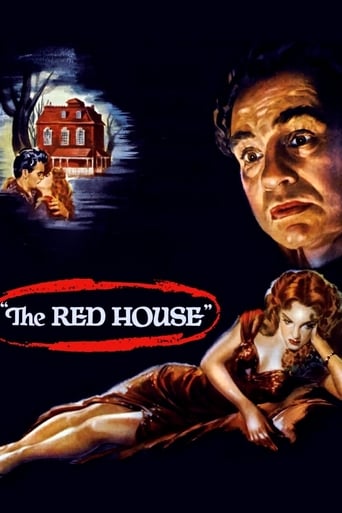
- Performance in 'The Red House' (1947)
- Final film appearance in 'The Lusty Men' (1952)
Best Known For
Iconic Roles
Must-See Films
Accolades
Won
- Hollywood Walk of Fame Star (1960, posthumous)
Special Recognition
- Immortalized in film history for her iconic role in 'Gone with the Wind'
- Remembered as one of Hollywood's most distinctive character actresses of the 1940s
Working Relationships
Worked Often With
Studios
Why They Matter
Impact on Culture
Ona Munson's portrayal of Belle Watling in 'Gone with the Wind' represented a significant breakthrough in Hollywood's depiction of prostitutes, presenting a character with dignity, compassion, and business acumen rather than as a mere stereotype. Her performance helped humanize a profession typically shown in one-dimensional terms, contributing to the film's complex social commentary. Munson's distinctive voice and presence influenced subsequent generations of character actresses, particularly in how to bring depth to supporting roles. Her work in film noir and psychological thrillers also contributed to the development of these genres during their golden age.
Lasting Legacy
Ona Munson's legacy endures primarily through her unforgettable performance as Belle Watling, which remains one of cinema's most memorable supporting characters. Despite her relatively short film career, she left an indelible mark on Hollywood history, representing the archetype of the strong, independent woman with a hidden vulnerability. Her tragic death at age 51 cut short a career that still had potential, but her existing body of work continues to be studied by film scholars and appreciated by classic cinema enthusiasts. Munson's contribution to breaking stereotypes about women of ill repute in film paved the way for more nuanced portrayals in subsequent decades.
Who They Inspired
Munson influenced character actresses through her ability to create memorable, complex characters in limited screen time. Her technique of using voice and subtle gestures to convey deep emotion became a model for supporting players. Her success in transitioning from Broadway to Hollywood also demonstrated the viability of theatrical training in film acting, influencing other stage actors considering film careers. The dignity she brought to controversial roles helped expand the range of acceptable female characters in mainstream Hollywood cinema.
Off Screen
Ona Munson's personal life was marked by both professional success and personal turmoil. She married three times, first to director Edward Buzzell (1928-1931), then to actor Stewart Granger (1941-1944), and finally to industrialist Eugene J. Frenkel (1949-1955). Her marriage to Granger was particularly notable as it ended in divorce when he left her for actress Jean Simmons. Munson struggled with depression and health issues in her later years, which ultimately led to her tragic suicide by overdose in 1955. She was known among friends as warm and generous, but battled inner demons that contrasted sharply with her strong on-screen persona.
Education
Attended school in Portland, Oregon; studied acting at local theater groups before moving to New York to pursue Broadway career
Family
- Edward Buzzell (1928-1931)
- Stewart Granger (1941-1944)
- Eugene J. Frenkel (1949-1955)
Did You Know?
- Originally wanted to be a concert pianist before turning to acting
- Changed her name from Owena Elizabeth Wolcott to Ona Munson early in her career
- Was almost not cast as Belle Watling because producers thought she looked too 'nice' for the role
- Her distinctive voice was once described as 'like honey poured over gravel'
- Was a close friend of Vivien Leigh during the filming of 'Gone with the Wind'
- Her second husband Stewart Granger left her for Jean Simmons, leading to their divorce
- Despite her fame from 'Gone with the Wind', she never received another role of similar magnitude
- Her final years were marked by severe depression and financial difficulties
- Died just two months after her third husband's death from cancer
- Her daughter Sally Ann Buzzell also pursued a brief acting career
In Their Own Words
I'm not a lady, but I'm not ashamed of what I am. I've earned every penny I've got.
as Belle Watling in Gone with the Wind)
In Hollywood, you're only as good as your last picture. I'm still waiting for my next 'Gone with the Wind'.
Playing Belle Watling was both the blessing and curse of my career - it made me famous but typecast me forever.
The stage teaches you discipline that film actors often lack. You have one chance to get it right each night.
Frequently Asked Questions
Who was Ona Munson?
American actress best known for her iconic role as Belle Watling in 'Gone with the Wind' (1939). She began her career on Broadway before transitioning to Hollywood films, where she became known for playing strong-willed, complex female characters, often women of questionable reputation but with underlying virtue.
What films is Ona Munson best known for?
Titles linked here include Gone with the Wind (1939), The Shanghai Gesture (1941).
When was Ona Munson born and when did she die?
Born June 16, 1903; died February 11, 1955.
What awards did Ona Munson win?
While Ona Munson did not receive major acting awards during her lifetime, she was posthumously honored with a star on the Hollywood Walk of Fame in 1960. Her most significant recognition remains the lasting impact of her performance in 'Gone with the Wind'.
What was Ona Munson's acting style?
Munson's acting style was characterized by her distinctive husky voice and commanding presence, often portraying strong, independent women with hidden vulnerability. She blended theatrical training with naturalistic film performance, using subtle expressions and controlled vocal delivery to convey complex emotions.
Was Ona Munson married?
Yes, Ona Munson was married three times: to director Edward Buzzell (1928-1931), actor Stewart Granger (1941-1944), and industrialist Eugene J. Frenkel (1949-1955). She had one daughter, Sally Ann, from her first marriage.
How did Ona Munson die?
Ona Munson died by suicide on February 11, 1955, taking an overdose of sleeping pills. Her death came just two months after her third husband Eugene Frenkel died from cancer, and she had been suffering from severe depression in her final years.