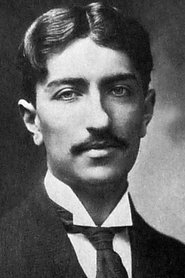
Louis Delluc
Actor & Director
Born: October 14, 1890 in Cadouin, Dordogne, France Died: March 22, 1924 Active: 1917-1924
Films
3 films
About Louis Delluc
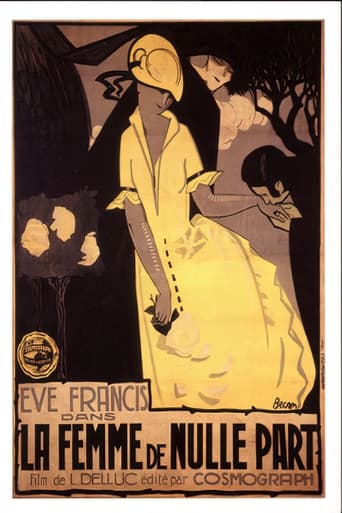
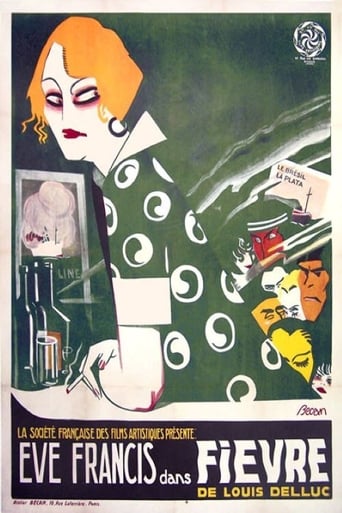
French filmmaker, critic, and theorist who in establishing cinema as a legitimate art form in France during the early 1920s. He began his career as a journalist and theater critic before turning his attention to film, becoming one of the first serious film critics in France and founding several influential publications including the journal Le Film. Delluc established the Ciné-Club de France, one of the first film clubs dedicated to the artistic appreciation of cinema, and his theoretical writings helped establish the foundations of film criticism and theory. As a director, he made only a handful of films before his untimely death at age 33 from tuberculosis, but these works demonstrated his artistic vision and influenced the French Impressionist cinema movement. His most famous films include Fièvre (1921) and The Woman from Nowhere (1922), which showcased his innovative visual style and psychological depth. Despite his brief career, Delluc's impact on French cinema was profound, and the prestigious Louis Delluc Prize, established in his honor in 1937, remains one of France's most important film awards, recognizing the best French film of the year.
The Craft
Behind the Camera
Louis Delluc's directing style was characterized by its poetic and impressionistic qualities, emphasizing psychological depth and emotional resonance over narrative clarity. He employed innovative techniques such as subjective camera work, slow motion, superimposition, and rhythmic editing to convey characters' inner states and emotions. His visual approach often used natural locations and lighting to create atmospheric, dreamlike sequences that blurred the boundaries between reality and imagination. Delluc was particularly interested in exploring the psychological dimensions of his characters, using visual metaphors and symbolic imagery to express their inner turmoil and desires. His films demonstrated a sophisticated understanding of cinema's unique visual language, moving away from theatrical conventions toward a more cinematic form of expression.
Milestones
- Founded the influential film journal Le Film in 1917
- Established the Ciné-Club de France in 1920, one of the first film appreciation societies
- Directed the acclaimed film Fièvre (1921), considered a masterpiece of French Impressionist cinema
- Directed The Woman from Nowhere (1922), showcasing his innovative visual techniques
- Pioneered film criticism as a serious intellectual pursuit in France
- Authored influential theoretical writings on cinema as art
Best Known For
Must-See Films
Accolades
Special Recognition
- Louis Delluc Prize established in his honor (1937) - France's most prestigious film award
Working Relationships
Worked Often With
Why They Matter
Impact on Culture
Louis Delluc's cultural impact on cinema was profound and far-reaching, particularly in establishing film as a legitimate art form worthy of serious critical consideration. He revolutionized film criticism by treating cinema not merely as entertainment but as a sophisticated artistic medium with its own unique language and expressive capabilities. Through his writings and the establishment of film clubs, Delluc educated audiences and critics alike to appreciate cinema's artistic potential, helping to create a more sophisticated film culture in France. His theoretical contributions laid the groundwork for modern film studies and criticism, influencing generations of filmmakers and theorists. The annual Louis Delluc Prize continues his legacy by recognizing excellence in French cinema, making his influence enduring in French cultural life.
Lasting Legacy
Louis Delluc's legacy endures through both his artistic contributions and the institutions established in his honor. As a director, his small but influential body of work helped establish the French Impressionist cinema movement, with films like Fièvre and The Woman from Nowhere demonstrating innovative techniques that would influence filmmakers for decades. His theoretical writings established the foundations of film criticism as an intellectual discipline, and his emphasis on cinema's unique artistic properties helped elevate the medium's status. The Louis Delluc Prize, created by his wife Ève Francis and film critic Maurice Bessy in 1937, has become one of France's most prestigious film awards, honoring the best French and foreign films each year. Delluc's influence can be seen in subsequent French cinema movements, from the Poetic Realism of the 1930s to the French New Wave of the 1950s and 1960s, all of which built upon his vision of cinema as art.
Who They Inspired
Louis Delluc directly influenced the French Impressionist cinema movement through both his theoretical writings and his own filmmaking practices. His emphasis on psychological depth, visual innovation, and emotional resonance inspired filmmakers like Jean Epstein, Marcel L'Herbier, and Germaine Dulac to explore cinema's artistic possibilities. His critical approach to film analysis established a methodology that would influence future film theorists and critics, including André Bazin and the critics of Cahiers du Cinéma who would later champion the French New Wave. The techniques he pioneered in his films, such as subjective camera work and rhythmic editing, became part of the cinematic vocabulary used by filmmakers worldwide. Delluc's vision of cinema as an art form helped create a cultural environment in France that valued artistic innovation in film, paving the way for France's continued prominence in international cinema.
Off Screen
Louis Delluc's personal life was marked by his passionate dedication to cinema and his relationships within the artistic community. He married Belgian actress Ève Francis in 1923, who appeared in several of his films and became a prominent figure in French cinema herself. Delluc suffered from poor health throughout his adult life, ultimately succumbing to tuberculosis at the young age of 33, cutting short a brilliant career that had already made significant contributions to film art and criticism. Despite his brief life, he maintained a wide circle of artistic friends and collaborators, including many of the leading figures of the French avant-garde movement.
Education
Educated in Bordeaux, France; studied literature and journalism before becoming a film critic and theorist
Family
- Ève Francis (1923-1924)
Did You Know?
- Died at age 33, making his entire career span less than a decade
- The Louis Delluc Prize is awarded annually and is considered France's equivalent to the Academy Awards
- Founded the first film club dedicated to artistic cinema appreciation
- His wife Ève Francis continued his work after his death, becoming a prominent film critic herself
- His journal Le Film was one of the first publications dedicated exclusively to cinema as art
- Fièvre (1921) was considered lost for decades before being rediscovered and restored
- His theoretical writings predated and influenced Soviet montage theory
- He was friends with many prominent French artists and writers of his era
- His work helped establish Paris as a center for artistic cinema in the 1920s
- Despite making only a handful of films, he is considered
In Their Own Words
Cinema is not an art which films life; cinema is a language which speaks to life.
The cinema must become a means of expression, just as all the other arts have been before it.
We must make films that are not merely photographed theater, but true cinema.
The camera is not merely a recording instrument; it is an instrument of creation.
Film criticism should not judge cinema by the standards of theater or literature, but by its own unique possibilities.
Frequently Asked Questions
Who was Louis Delluc?
French film critic, on YTB.my. He founded influential film publications and clubs, and though he directed only a handful of films before his early death at 33, his impact on French cinema was profound and lasting.
What films is Louis Delluc best known for?
Titles linked here include Fièvre (1921), The Woman from Nowhere (1922).
When was Louis Delluc born and when did he die?
Born October 14, 1890; died March 22, 1924.
What awards did Louis Delluc win?
While Louis Delluc himself did not receive major awards during his lifetime due to his early death, the prestigious Louis Delluc Prize was established in his honor in 1937 and has become one of France's most important film awards, given annually to recognize the best French film of the year.
What was Louis Delluc's directing style?
Louis Delluc's directing style was characterized by its poetic and impressionistic qualities, emphasizing psychological depth and emotional resonance. He employed innovative techniques such as subjective camera work, slow motion, superimposition, and rhythmic editing to convey characters' inner states, creating atmospheric, dreamlike sequences that explored cinema's unique artistic potential.