White Parker
Actor
Born: 1887 in Oklahoma Territory, United States Died: 1947 Active: 1920-1920
Films
1 film
About White Parker
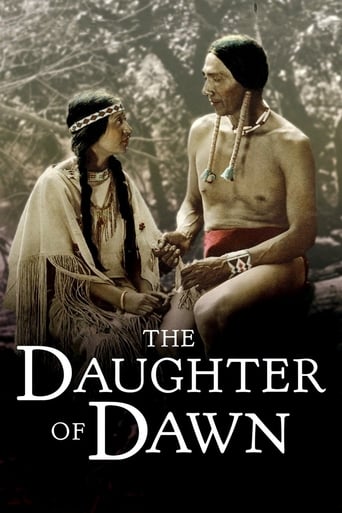
Native American actor of Comanche heritage who gained recognition for his role in the 1920 silent film 'The Daughter of Dawn.' As the son of the Comanche chief Quanah Parker, White grew up during a transitional period when Native American traditions were colliding with modern American society. His participation in cinema was particularly significant as it represented one of the earliest instances of Native Americans portraying themselves on screen, rather than being played by white actors in makeup. The film 'The Daughter of Dawn' was remarkable for its authentic casting, featuring members of the Comanche and Kiowa tribes in all roles. White Parker's performance, like that of his fellow cast members, brought genuine cultural authenticity to the production at a time when Hollywood typically relied on stereotypes. After his brief foray into filmmaking, White returned to his community life, maintaining his connection to his Comanche heritage while witnessing the profound changes occurring in Native American life during the early 20th century.
The Craft
On Screen
Naturalistic performance rooted in authentic cultural expression, bringing genuine Comanche heritage to his screen presence rather than adopting theatrical acting techniques common in the silent era
Milestones
- Starred in 'The Daughter of Dawn' (1920), one of the first films with an all-Native American cast
- Participated in a groundbreaking production that preserved authentic Comanche and Kiowa culture on film
- Helped pave the way for more authentic Native American representation in cinema
Best Known For
Iconic Roles
Must-See Films
Accolades
Special Recognition
- Recognized as a Native American actor in silent cinema
- His film 'The Daughter of Dawn' was selected for preservation in the National Film Registry in 2013
Working Relationships
Worked Often With
Studios
Why They Matter
Impact on Culture
White Parker's contribution to cinema extends far beyond his single film appearance. As one of the first Native Americans to portray himself and his culture authentically on screen, he helped challenge the prevailing practice of white actors playing Native American roles in redface. 'The Daughter of Dawn' stands as a crucial historical document that preserves authentic Comanche and Kiowa customs, ceremonies, and ways of life from the early 20th century. The film's existence challenged Hollywood's stereotypical portrayals of Native Americans and demonstrated the value of authentic cultural representation. White's participation represented a form of cultural preservation through the new medium of cinema, capturing traditions that might otherwise have been lost to history. His work contributed to the broader movement of Native Americans asserting control over their own representation in media.
Lasting Legacy
White Parker's legacy is primarily tied to his role in 'The Daughter of Dawn,' a film that was considered lost for over 80 years before its rediscovery and restoration in 2012. The film's recognition and selection for the National Film Registry in 2013 have brought renewed attention to this work of Native American cinema. White's performance, along with those of his fellow Native American cast members, represents an important milestone in the history of authentic Native American representation in film. His work serves as an early example of Native Americans taking control of their own narratives and cultural representation in media. The restored film has become an invaluable resource for understanding Comanche and Kiowa culture of the early 20th century, with White's contribution being central to its historical significance.
Who They Inspired
White Parker influenced subsequent generations of Native American actors and filmmakers by demonstrating the importance and power of authentic self-representation. His work in 'The Daughter of Dawn' predates by decades the Native American film movement that would gain momentum in the late 20th century. While he may not have directly mentored other actors, his example helped establish a precedent for Native Americans participating in cinema on their own terms. The film's rediscovery has inspired contemporary Native American filmmakers to explore their heritage through the medium of film. White's contribution represents an early chapter in the ongoing struggle for authentic Native American representation in Hollywood and independent cinema.
Off Screen
White Parker was born into the prominent Parker family as the son of Quanah Parker, the last chief of the Comanche and a significant historical figure who led the transition of his people from nomadic life to reservation life. White grew up during a time of immense cultural change for Native Americans, witnessing the end of the frontier era and the beginning of the 20th century. He maintained strong ties to his Comanche heritage while adapting to the changing world around him. His participation in 'The Daughter of Dawn' represented a bridge between traditional Comanche culture and the emerging medium of cinema. White lived his life primarily within his community, balancing traditional values with the realities of modern American society.
Education
Traditional Comanche education combined with some Western schooling during the transition period of the early 20th century
Did You Know?
- Son of Quanah Parker, the last chief of the Comanche
- Participated in one of the first films with an all-Native American cast
- The film 'The Daughter of Dawn' was shot entirely on location in the Wichita Mountains of Oklahoma
- His film was considered lost for over 80 years before being discovered in a private collection in 2012
- The film featured authentic Comanche and Kiowa ceremonies, dances, and buffalo hunting scenes
- White and other cast members wore traditional regalia and performed actual tribal rituals
- The film was produced with the cooperation of the Bureau of Indian Affairs
- His father Quanah Parker — prominent figure who helped establish the Native American Church
- The film's budget was approximately $30,000, a substantial sum for an independent production in 1920
- White's performance was entirely non-verbal, as was typical for silent films, relying on gesture and expression
In Their Own Words
While no direct quotes from White Parker about his film experience have survived, his participation in the project itself spoke to his commitment to preserving Comanche culture for future generations.
Frequently Asked Questions
Who was White Parker?
Screen credits include the 1920 silent film 'The Daughter of Dawn.' He was the son of Quanah Parker, the last chief of the Comanche, and participated in one of the earliest films featuring an all-Native American cast portraying their own culture authentically.
What films is White Parker best known for?
Titles linked here include The Daughter of Dawn (1920).
When was White Parker born and when did he die?
Born 1887; died 1947.
What awards did White Parker win?
White Parker did not receive any personal acting awards during his lifetime. However, the film he appeared in, 'The Daughter of Dawn,' was selected for preservation in the National Film Registry in 2013, recognizing its cultural and historical significance.
What was White Parker's acting style?
White Parker's acting style was naturalistic and rooted in authentic cultural expression rather than the theatrical techniques common in silent films. He brought genuine Comanche heritage to his performance, representing his culture with authenticity rather than adopting Hollywood's stereotypical portrayals of Native Americans.
What was White Parker's connection to Comanche history?
White Parker was the son of Quanah Parker, who was the last chief of the Comanche and a major historical figure who led his people's transition from nomadic life to reservation existence. This family connection gave White a unique position bridging traditional Comanche culture and the modern world.
Why is 'The Daughter of Dawn' historically significant?
The film is historically significant because it featured an all-Native American cast portraying themselves authentically, captured genuine Comanche and Kiowa ceremonies and customs, and represents one of the earliest examples of Native American self-representation in cinema. It was considered lost for decades before its restoration brought new attention to this work.