Films
1 film
About Wanada Parker
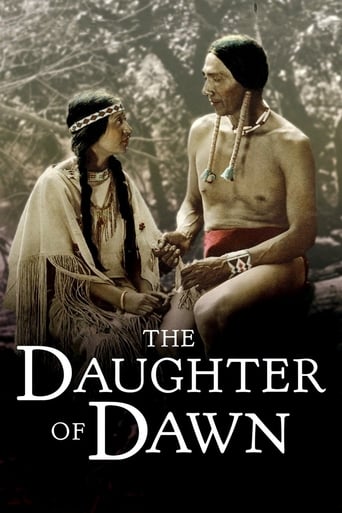
Wanada Parker was cast in 1920 silent film 'The Daughter of Dawn. ' As a member of the Comanche tribe, she was part of an all-Native American cast that brought authentic representation to cinema during an era when indigenous peoples were typically portrayed by white actors in redface. Her participation in this film represented a significant moment in early cinema history, showcasing genuine Native American culture, traditions, and storytelling on screen. The film was shot on location in the Wichita Mountains of Oklahoma, with Parker and other cast members wearing traditional regalia and performing authentic ceremonies. Although her film career appears to have been limited to this single production, her contribution helped pave the way for more authentic indigenous representation in Hollywood. The film itself was considered lost for decades before being rediscovered and restored in the 21st century, bringing renewed attention to its cast members.
The Craft
On Screen
Naturalistic performance reflecting traditional Comanche expressions and movements
Milestones
- Starred in 'The Daughter of Dawn' (1920), one of the first films with an all-Native American cast
- Participated in authentic representation of Comanche culture in early cinema
Best Known For
Iconic Roles
Must-See Films
Accolades
Special Recognition
- Recognized as part of the cast of 'The Daughter of Dawn'
Working Relationships
Worked Often With
Studios
Why They Matter
Impact on Culture
Wanada Parker's appearance in 'The Daughter of Dawn' represented a significant breakthrough in Native American representation in cinema. At a time when Hollywood typically portrayed indigenous peoples through harmful stereotypes and white actors in redface, Parker and her fellow cast members brought authenticity and dignity to the screen. The film showcased genuine Comanche and Kiowa culture, traditions, and ceremonies, providing audiences with a rare glimpse into Native American life as it was actually lived rather than as imagined by outsiders. This effort helped challenge prevailing misconceptions and opened doors for future generations of Native American performers.
Lasting Legacy
Though her film career was brief, Wanada Parker's legacy endures through the rediscovery and restoration of 'The Daughter of Dawn.' The film is now recognized as an important cultural artifact that preserved authentic Native American performances and traditions from the early 20th century. Her participation, along with that of other indigenous actors, demonstrated the importance of authentic representation in media decades before this became a widely discussed issue in Hollywood. The film's restoration has brought renewed attention to these performers and their contributions to cinema history.
Who They Inspired
While direct records of Wanada Parker's influence on other performers are limited, her work in 'The Daughter of Dawn' contributed to a broader movement toward authentic indigenous representation in film. The film stands as an early example of Native Americans controlling their own narratives on screen, a practice that would influence future indigenous filmmakers and actors seeking authentic portrayal of their cultures and communities.
Off Screen
As a Native American actress in the early 1920s, Wanada Parker was part of a community that maintained traditional Comanche ways while engaging with the emerging film industry. Her participation in cinema was unusual for the time, as most Native Americans were excluded from Hollywood productions or misrepresented by non-Native actors.
Did You Know?
- 'The Daughter of Dawn' was considered lost for over 80 years before being discovered in a private collection in 2012
- The film featured an all-Native American cast from the Comanche and Kiowa tribes
- Many cast members were actual tribal members who wore their own traditional regalia
- The film was shot on location in the Wichita Mountains Wildlife Refuge in Oklahoma
- The production used no professional actors - all performers were tribal members
- The film's rediscovery led to its addition to the National Film Registry in 2013
- The movie showcased authentic buffalo hunting scenes and tribal ceremonies
- The film's budget was approximately $30,000, a modest sum even for 1920
- Many of the performers, including possibly Wanada Parker, were descendants of prominent tribal leaders
- The film was one of the first to present Native Americans as protagonists rather than villains or sidekicks
Frequently Asked Questions
Who was Wanada Parker?
Screen credits include the 1920 silent film 'The Daughter of Dawn.' She was part of an all-Native American cast that brought authentic indigenous representation to early cinema.
What films is Wanada Parker best known for?
Titles linked here include The Daughter of Dawn (1920).
When was Wanada Parker born and when did she die?
Specific birth and death dates for Wanada Parker are not documented in historical records. She was active as an actress in 1920 and was likely born in the late 19th or early 20th century in Oklahoma.
What awards did Wanada Parker win?
There are no records of Wanada Parker receiving individual awards during her lifetime. However, 'The Daughter of Dawn' was later recognized for its cultural significance and added to the National Film Registry in 2013.
What was Wanada Parker's acting style?
Wanada Parker's acting style reflected naturalistic performance rooted in traditional Comanche expressions and movements. As part of an all-Native American cast, she brought authenticity to her role that contrasted with the exaggerated performances typical of silent era films.