William Friese-Greene
Director
Born: September 7, 1855 in Bristol, England Died: May 5, 1921 Active: 1889-1921 Birth Name: William Edward Green
Films
1 film
About William Friese-Greene
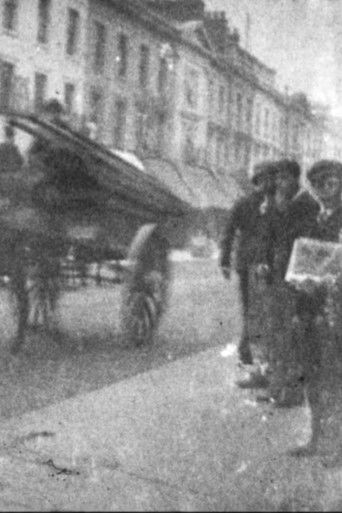
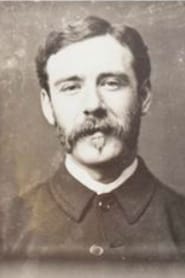
British photographer and inventor who in the development of motion picture technology during the late 19th century. Born William Edward Green, he began his career as a photographer's apprentice before establishing his own photographic studios in Bristol and later London. His fascination with capturing movement led him to experiment with sequential photography and early motion picture devices, culminating in his patent for a motion picture camera in 1889. Friese-Greene's work predated many of the more famous early cinema pioneers, including the Lumière brothers and Thomas Edison. Despite his technical innovations, he struggled financially throughout his life and died in poverty at a film industry meeting in London. His legacy as the 'Father of the Motion Picture' remains controversial, but his contributions to early cinema technology are undeniable. His 1890 film 'Traffic in King's Road, Chelsea' represents one of the earliest surviving examples of British motion picture photography.
The Craft
Behind the Camera
Experimental documentary style focusing on capturing everyday life and movement, characteristic of early cinema pioneers
Milestones
- Patented first motion picture camera in 1889
- Created 'Traffic in King's Road, Chelsea' (1890)
- Developed early stereoscopic and color film processes
- Established multiple photographic studios
- Contributed to early British cinema development
Best Known For
Must-See Films
Accolades
Special Recognition
- Posthumous recognition as British cinema pioneer
- Blue plaque at his former London residence
- Featured in National Media Museum's permanent collection
Working Relationships
Worked Often With
Studios
Why They Matter
Impact on Culture
William Friese-Greene's work represents the very foundation of British cinema, predating the more commercially successful Lumière and Edison systems. His 1889 patent for a motion picture camera was among the first in the world, establishing key technical principles that would influence subsequent developments. His film 'Traffic in King's Road, Chelsea' is historically significant as one of the earliest examples of capturing everyday urban life on film, a genre that would become central to documentary filmmaking. Despite his lack of commercial success, Friese-Greene's dedication to the art and science of motion pictures helped establish Britain as an early center of cinematic innovation. His story has become emblematic of the struggle between artistic innovation and commercial viability in the film industry.
Lasting Legacy
Friese-Greene's legacy is complex and somewhat controversial, with debates continuing about his exact contributions versus those of other early cinema pioneers. However, his 1889 patent and early films demonstrate genuine innovation in motion picture technology. The 1951 biographical film 'The Magic Box' starring Robert Donat brought his story to wider public attention and cemented his place in British cinema history. His son Maurice became a successful film director, continuing the family's connection to cinema. Today, film historians recognize Friese-Greene as an important, if sometimes overlooked, figure in the development of motion pictures, particularly in Britain.
Who They Inspired
Friese-Greene influenced subsequent generations of British filmmakers and inventors through his work in motion picture technology. His early experiments with color film and stereoscopic processes anticipated developments that would become standard decades later. The British Film Institute and other institutions continue to study and preserve his early films and technical papers. His story of dedication despite financial hardship has inspired countless filmmakers and inventors, serving as a reminder of the personal costs often associated with technological innovation.
Off Screen
William Friese-Greene married twice and had seven children. His first marriage to Helena Friese ended in divorce, and he later married Edith Harrison. Despite his technical innovations, he faced constant financial difficulties and legal battles over his patents. His dedication to motion picture invention came at great personal cost, leading to bankruptcy and strained family relationships. He died suddenly during a meeting of film industry professionals at the Connaught Rooms in London, reportedly while standing to make a point about his latest invention.
Education
Apprenticeship in photography, self-taught in mechanics and optics
Family
- Helena Friese (1874-1887)
- Edith Harrison (1897-1921)
Did You Know?
- Originally added 'Friese' to his name to honor his first wife Helena Friese
- His 1889 patent described a camera that could record up to 10 frames per second
- He died penniless despite his groundbreaking inventions
- The 1951 film 'The Magic Box' was a biographical tribute starring Robert Donat
- His son Maurice directed the classic film 'The Yellow Balloon' (1953)
- He experimented with 3D photography as early as the 1890s
- His early cameras were so heavy they required special support systems
- He once demonstrated his invention to the Prince of Wales
- His work was overshadowed by American and French competitors who had better funding
- A blue plaque marks his former home at 142 Queen's Road, Chelsea
In Their Own Words
I have succeeded in taking instantaneous photographs of living subjects in motion and reproducing them as life
The moving picture will become the most popular form of entertainment in the world
My invention will change the way people see the world forever
I have spent my fortune and my health in the pursuit of this art
The camera is not merely a machine, but an extension of the human eye
Frequently Asked Questions
Who was William Friese-Greene?
British inventor and photographer who pioneered early motion picture technology in the late 19th century. He is best known for patenting one of the first motion picture cameras in 1889 and creating some of the earliest British films, including 'Traffic in King's Road, Chelsea' (1890). Despite his innovations, he died in poverty while his contemporaries achieved commercial success.
What films is William Friese-Greene best known for?
Titles linked here include Traffic in King's Road, Chelsea (1890), Hyde Park Corner (1889).
When was William Friese-Greene born and when did he die?
Born September 7, 1855; died May 5, 1921.
What awards did William Friese-Greene win?
William Friese-Greene received no major awards during his lifetime and died in relative obscurity. His recognition came posthumously, including a blue plaque at his former London residence and his story being told in the 1951 film 'The Magic Box'. Modern film historians now recognize him as an important pioneer of motion picture technology, particularly in Britain.
What was William Friese-Greene's directing style?
Friese-Greene's directing style was experimental and documentary-focused, typical of early cinema pioneers. His films captured everyday scenes and movement, such as traffic on Chelsea's King Road, using stationary camera positions. His work emphasized technical innovation over artistic expression, as he was primarily interested in demonstrating the capabilities of his motion picture equipment rather than creating narrative films.