
Films
3 films
About Émile Keppens
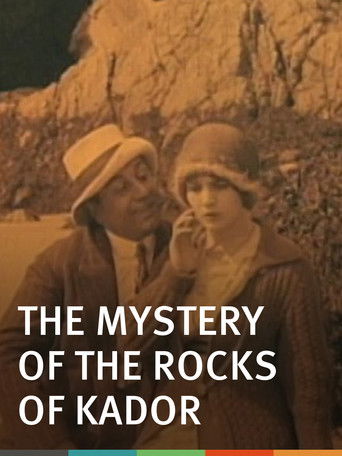
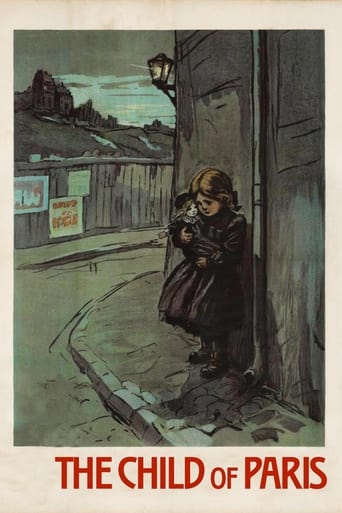
French actor who worked during the years of cinema, appearing in two significant French films from the early 1910s. His brief but notable film career coincided with the transition from short films to feature-length motion pictures in European cinema. Keppens appeared in Léonce Perret's influential 'The Mystery of the Rocks of Kador' in 1912, which was considered for its cinematic techniques and narrative complexity. The following year, he took a role in 'The Child of Paris,' another important French production that showcased the evolving artistry of early European filmmakers. Though his filmography was limited to these two works, Keppens was part of the foundational generation of actors who helped establish the language of cinema during its formative years. His performances contributed to films that would later be studied as important examples of early French cinematic innovation and storytelling techniques.
The Craft
On Screen
As an actor in the early silent era, Keppens would have employed the theatrical, exaggerated style common to early cinema before more naturalistic acting techniques developed. Silent film actors of this period relied heavily on facial expressions, gestures, and body language to convey emotion and narrative, as intertitles were limited and sound was nonexistent. His performances would have been influenced by stage acting traditions, adapted for the new medium of film.
Milestones
- Appeared in 'The Mystery of the Rocks of Kador' (1912)
- Starred in 'The Child of Paris' (1913)
- Worked with director Léonce Perret
- Participated in early French feature film development
Best Known For
Iconic Roles
Must-See Films
Working Relationships
Worked Often With
Studios
Why They Matter
Impact on Culture
Émile Keppens, though appearing in only two films, contributed to the foundational development of narrative cinema during its crucial transition period. His work in 'The Mystery of the Rocks of Kador' placed him within. These early French productions were highly influential on the development of cinema worldwide, and actors like Keppens were part of this artistic revolution that established film as a serious medium for storytelling and artistic expression.
Lasting Legacy
Émile Keppens represents the generation of actors who bridged the gap between cinema's primitive beginnings and its emergence as a sophisticated art form. While his individual performances may not be widely remembered today, his contribution to historically significant films ensures his place in the broader narrative of film history. The films he appeared in are studied by film historians and scholars as important examples of early French cinematic innovation, making Keppens a small but meaningful part of cinema's evolutionary story.
Who They Inspired
Given the brevity of his career and the early time period of his work, specific influences that Émile Keppens may have had on subsequent actors or filmmakers are not well documented. However, as a participant in groundbreaking early French cinema, he was part of the collective effort that established acting conventions and techniques that would influence generations of performers who followed in the silent era and beyond.
Off Screen
Very little documented information exists about Émile Keppens' personal life, which was not uncommon for actors from the very early film period. Many performers from this era have left minimal biographical traces, as cinema was still establishing itself as a legitimate art form and comprehensive record-keeping was not standard practice.
Did You Know?
- Émile Keppens' entire known filmography consists of only two films from 1912-1913
- He worked with French director Léonce Perret
- 'The Mystery of the Rocks of Kador' was considered innovative for its use of editing and narrative structure
- Both films he appeared in were produced during the golden age of early French cinema
- His active years covered the crucial period when cinema was transitioning from short subjects to feature films
- The films he appeared in are now studied as important examples of early cinematic techniques
- Very little biographical information about him survives, which was common for early film actors
- His work coincided with the period before film actors became major celebrities
- Both of his known films were French productions during a time when French cinema dominated world markets
Frequently Asked Questions
Who was Émile Keppens?
Screen credits include two notable French films in 1912 and 1913. He worked during the years of cinema when the medium was still developing its artistic language and techniques.
What films is Émile Keppens best known for?
Titles linked here include The Mystery of the Rocks of Kador (1912), The Child of Paris (1913).
When was Émile Keppens born and when did he die?
Unfortunately, specific birth and death dates for Émile Keppens are not documented in available historical records, which was common for many early film actors from this period.
What awards did Émile Keppens win?
No awards or nominations for Émile Keppens have been documented, which was typical for actors during the very early years of cinema before formal award systems were established.
What was Émile Keppens' acting style?
As an actor in the early silent era, Keppens would have used the theatrical, expressive style common to early cinema, relying heavily on gestures and facial expressions to convey emotion in the absence of sound.