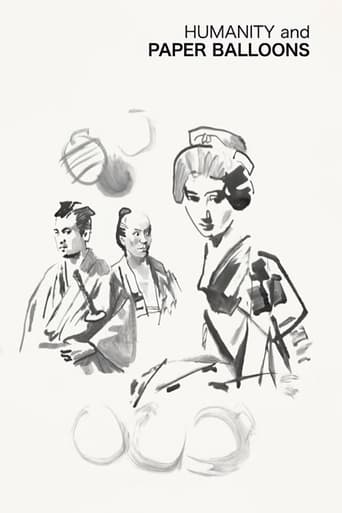
Films
1 film
About Sensho Ichikawa
Japanese actor active during the late 1930s, appearing Japanese cinema's transition from silent films to talkies. His most documented and significant work was in Sadao Yamanaka's critically acclaimed 1937 film 'Humanity and Paper Balloons' (Ningen-gyōrei to Fūsen), which is now considered a masterpiece of early Japanese cinema. Ichikawa was part of the studio system that dominated Japanese filmmaking during this era, working alongside other talented actors who would later become major figures in the industry. The film he appeared in was tragically the last work of director Sadao Yamanaka, who died at age 28 while serving in the Japanese military shortly after the film's completion. Like many character actors of his time, Ichikawa's career appears to have been relatively brief, with most records showing his activity concentrated around 1937. His performance in 'Humanity and Paper Balloons' represents his most significant surviving contribution to cinema history.
The Craft
Milestones
- Appeared in Sadao Yamanaka's final masterpiece 'Humanity and Paper Balloons' (1937)
- Participated in
Best Known For
Iconic Roles
Must-See Films
Working Relationships
Worked Often With
Why They Matter
Impact on Culture
Sensho Ichikawa's contribution to cinema, while limited in scope, is significant due to his participation in 'Humanity and Paper Balloons,' a film that has been recognized by critics and film historians as. The film itself represents a crucial moment in Japanese cinematic history, showcasing the sophisticated storytelling and social commentary that would influence later generations of Japanese filmmakers. His role in this masterpiece places him within the lineage of actors who contributed to the foundation of Japan's golden age of cinema, even if his individual contributions were not extensively documented.
Lasting Legacy
Sensho Ichikawa's legacy is intrinsically tied to his appearance in 'Humanity and Paper Balloons,' a film that has been preserved and celebrated by film institutions including the Criterion Collection. While his individual career may not have been extensive, his participation in this historically significant work ensures his place in the annals of Japanese cinema history. The film itself continues to be studied and admired by film scholars and enthusiasts, maintaining the cultural relevance of all who contributed to its creation.
Who They Inspired
Due to the limited documentation of his career and the scarcity of surviving works, it is difficult to trace Sensho Ichikawa's direct influence on other actors or filmmakers. However, his participation in a film that has influenced generations of Japanese directors, including Akira Kurosawa, means his work indirectly contributed to the development of Japanese cinema's artistic traditions and storytelling techniques.
Off Screen
Very limited information is available about Sensho Ichikawa's personal life, which was common for supporting actors in 1930s Japanese cinema whose personal details were not extensively documented in historical records.
Did You Know?
- 'Humanity and Paper Balloons' was the last film directed by Sadao Yamanaka before his death at age 28
- The film was considered lost for many years before being rediscovered and restored
- Despite its critical acclaim, the film was initially banned by Japanese censors
- The film is set in a poor district of Edo (old Tokyo) and explores themes of social injustice
- Only a handful of Yamanaka's films survive today, making this appearance particularly significant
- The film's title refers to the fragility of human life, compared to paper balloons
- The film was restored by the National Film Center of Japan in the 1970s
Frequently Asked Questions
Who was Sensho Ichikawa?
Japanese with credits in this catalog.' His career appears to have been brief but significant due to his participation in this important work of Japanese cinema.
What films is Sensho Ichikawa best known for?
Titles linked here include Humanity and Paper Balloons (1937).
When was Sensho Ichikawa born and when did he die?
Unfortunately, detailed birth and death information for Sensho Ichikawa is not available in historical records, which was common for many supporting actors in 1930s Japanese cinema.
What awards did Sensho Ichikawa win?
There are no documented awards or nominations for Sensho Ichikawa, which reflects the limited recognition available for supporting actors during this period of Japanese cinema.
What was Sensho Ichikawa's acting style?
Specific details about Sensho Ichikawa's acting style are not extensively documented, but his participation in 'Humanity and Paper Balloons' suggests he was capable of the nuanced performance style required for the film's social realist approach.