Films
1 film
About Curtis Benton
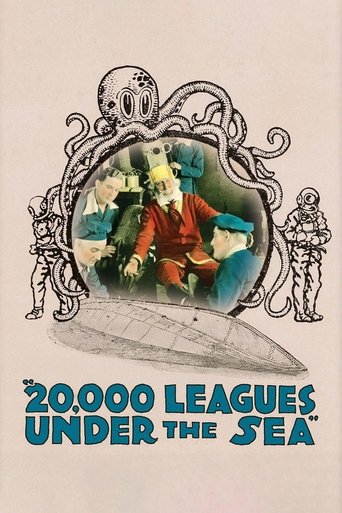
Curtis Benton is credited on a single production — 20,000 Leagues Under the Sea (1916). The 1916 version of '20,000 Leagues Under the Sea' was a significant technical achievement for its time, featuring underwater photography sequences that were for early cinema. Benton was part of this historic production, though his specific role and contributions to the film have been largely lost to time due to the limited documentation of supporting actors from this period. Like many actors from the very early days of Hollywood, his career may have consisted of just this one notable film before disappearing from the silver screen. The transient nature of early film careers was common, as many performers transitioned out of the industry or were unable to secure lasting success in the rapidly evolving motion picture business.
The Craft
Milestones
- Appeared in the 1916 adaptation of '20,000 Leagues Under the Sea'
Best Known For
Iconic Roles
Must-See Films
Why They Matter
Impact on Culture
Curtis Benton's cultural impact is primarily tied to his participation in one of early cinema's most ambitious productions. The 1916 '20,000 Leagues Under the Sea' represented a significant technical achievement in filmmaking, being one of the first feature films to incorporate extensive underwater photography. While Benton himself was not a major star, his contribution to this groundbreaking film places him within the broader narrative of cinema's technical and artistic development during the silent era. The film itself demonstrated the potential for special effects and location shooting in motion pictures, influencing subsequent underwater filmmaking techniques.
Lasting Legacy
Curtis Benton's legacy is that of a representative figure from the earliest days of Hollywood - a performer who participated in cinema but whose individual story has been largely obscured by time. His brief appearance in film history serves as a reminder of the countless actors, technicians, and artists who contributed to cinema's development but whose names have been lost to history. The 1916 '20,000 Leagues Under the Sea' remains his enduring connection to film history, ensuring that his name, if not his full story, is preserved in the annals of early American cinema.
Who They Inspired
Given the brevity of Curtis Benton's documented career, there is no evidence of direct influence on other actors or filmmakers. His influence is indirect, as part of the ensemble that helped create one of early cinema's technical achievements. The film he participated in would go on to influence subsequent adaptations of Verne's work and demonstrate the possibilities of underwater cinematography, though Benton's personal contribution to this influence cannot be specifically traced.
Off Screen
Very little is documented about Curtis Benton's personal life, which is common for supporting actors from the silent era who had brief careers. Like many early film performers, detailed biographical information was not systematically preserved, especially for those who did not achieve lasting fame.
Did You Know?
- Curtis Benton's entire documented film career consists of a single year - 1916
- The 1916 '20,000 Leagues Under the Sea' was one of the first feature-length underwater films ever made
- The film was produced by the Universal Film Manufacturing Company
- Underwater sequences for the 1916 film were shot in the Bahamas, making it one of the earliest location shoots for underwater filming
- The 1916 adaptation predated the more famous 1954 Disney version by nearly 40 years
- Like many silent era actors with brief careers, most personal details about Curtis Benton have been lost to history
- The film's production involved innovative underwater photography techniques that were revolutionary for the time
Frequently Asked Questions
Who was Curtis Benton?
American with credits in this catalog.' His documented film career was exceptionally brief, with records showing activity only during the year 1916.
What films is Curtis Benton best known for?
Titles linked here include 20,000 Leagues Under the Sea (1916).
When was Curtis Benton born and when did he die?
Specific birth and death dates for Curtis Benton are not documented in available historical records, which is common for supporting actors from the early silent era who had brief careers.
What awards did Curtis Benton win?
There are no records of Curtis Benton receiving any major awards or nominations, which is not uncommon for actors with very brief careers in the early film industry before the establishment of major award ceremonies.
What was Curtis Benton's acting style?
Specific details about Curtis Benton's acting style are not documented in surviving records. Like many supporting actors from the silent era, his performance techniques and artistic approach have not been preserved in film history literature.