Films
1 film
About Haidar Khan
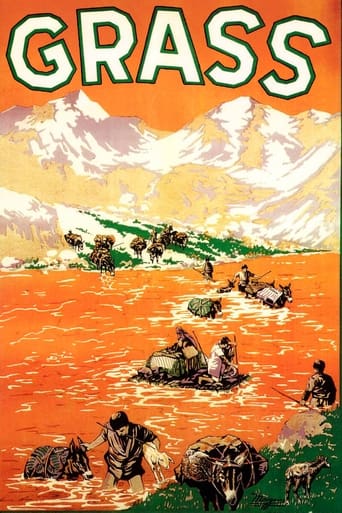
Haidar Khan appeared in 1925 documentary film 'Grass: A Nation's Battle for Life. ' He was not a professional actor but rather an actual tribal participant whose traditional way of life was documented by filmmakers Merian C. Cooper and Ernest B. Schoedsack. The film captured the annual migration of the Bakhtiari people across the Zagros Mountains, and Haidar Khan was one of the tribesmen featured during this arduous journey. His appearance in the film represents one of the earliest examples of non-professional subjects in documentary cinema, showcasing authentic tribal life rather than staged performances. The filmmakers spent months living with the tribe, and Haidar Khan would have been among those who welcomed them and participated in the documentation of their culture. His contribution to cinema, while brief, helped establish the foundation for ethnographic filmmaking and documentary traditions that would follow.
The Craft
On Screen
Natural, authentic tribal participant rather than trained actor
Milestones
- Appeared in the documentary 'Grass: A Nation's Battle for Life' (1925)
Best Known For
Iconic Roles
Must-See Films
Working Relationships
Worked Often With
Why They Matter
Impact on Culture
Haidar Khan's participation in 'Grass: A Nation's Battle for Life' contributed to early cinema. The film was groundbreaking in its approach to capturing authentic human experience and helped establish documentary filmmaking as a legitimate art form. His appearance provided Western audiences with one of their first glimpses into the lives and traditions of the Bakhtiari people, fostering cross-cultural understanding during a time when such documentation was rare.
Lasting Legacy
Though his filmography consists of only one appearance, Haidar Khan's contribution to cinema history is significant as part of a documentary that influenced generations of filmmakers. The film 'Grass' is studied in film schools worldwide for its innovative techniques and authentic approach to documentary storytelling. His legacy lives on through the preservation of Bakhtiari culture and traditions captured in this historic film.
Who They Inspired
As one of the early subjects of ethnographic documentary filmmaking, Haidar Khan indirectly influenced the development of documentary cinema and the way filmmakers approach authentic cultural documentation. His natural participation helped establish the importance of genuine representation over staged performances in documentary work.
Off Screen
As a member of the Bakhtiari tribe, Haidar Khan lived a traditional nomadic lifestyle in the Zagros Mountains region of Iran. Little specific personal information is available about him beyond his participation in the documentary film, as he was not a public figure or professional entertainer.
Did You Know?
- The film 'Grass: A Nation's Battle for Life' was one of the first feature-length documentaries ever made
- Haidar Khan was not a professional actor but an actual member of the Bakhtiari tribe
- The filmmakers spent over 6 months living with the tribe to document their migration
- The film shows the tribe crossing the Karun River and climbing a 12,000-foot mountain pass
- The documentary was restored and preserved by the National Film Preservation Foundation
- The film's success helped launch the careers of its directors, who later made 'King Kong'
- The Bakhtiari migration shown in the film covered over 200 miles of difficult terrain
- The film was shot on location in Iran under extremely challenging conditions
- Haidar Khan and other tribal members were not paid for their participation in the film
- The film is considered a masterpiece of early documentary cinema
Frequently Asked Questions
Who was Haidar Khan?
Screen credits include the 1925 documentary 'Grass: A Nation's Battle for Life.' He was not a professional actor but rather an authentic tribal participant whose traditional migration journey was documented by American filmmakers.
What films is Haidar Khan best known for?
Titles linked here include Grass: A Nation's Battle for Life (1925).
When was Haidar Khan born and when did he die?
Specific birth and death dates for Haidar Khan are not documented, as he was a tribal member rather than a public figure. He lived during the early 20th century in Iran and appeared in the 1925 documentary.
What awards did Haidar Khan win?
Haidar Khan did not receive any personal awards or recognition, as he was a documentary subject rather than a professional actor. However, the film 'Grass: A Nation's Battle for Life' is recognized as a work in documentary cinema history.
What was Haidar Khan's acting style?
Haidar Khan did not employ an acting style in the traditional sense, as he was not a trained actor. His appearance in the documentary was completely natural and authentic, showing the real activities and behaviors of Bakhtiari tribal life.
How did Haidar Khan contribute to cinema history?
Haidar Khan contributed to cinema history as one of the early subjects of ethnographic documentary filmmaking, helping establish the importance of authentic cultural documentation in cinema through his participation in this groundbreaking 1925 film.