Grass: A Nation's Battle for Life
"silent documentary which follows a branch of the Bakhtiari t"
Keys: Space play/pause · ←/→ 10s · F fullscreen · M mute · </> speed
About this film
A silent documentary which follows a branch of the Bakhtiari tribe of Persia as they and their herds make their epic seasonal journey to better pastures.
Cast & crew
More films like this
More Documentary films
View all →
More from Ernest B. Schoedsack
View all →More about this film
About the production
Release dateOctober 19, 1925
BudgetApproximately $50,000 (significant for a documentary of the era)
Box officeModest commercial success, but gained critical acclaim and cultural significance over time
ProductionParamount Pictures, The Explorers' Club
Filmed inZagros Mountains, Persia (modern-day Iran), Karun River, Persia, Bakhtiari tribal territories
The filmmakers faced extreme conditions including subzero temperatures, altitude sickness, and dangerous river crossings. They used hand-cranked cameras that had to be protected from the elements, and often had to film while riding horses or climbing mountains. The production took nearly two years, from planning through filming and editing. Cooper and Schoedsack risked their lives multiple times, particularly during the river crossing sequence where they nearly drowned.
Themes
Human endurance against natureThe struggle for survivalTraditional vs. modern ways of lifeThe relationship between humans and animalsCultural preservation and documentation
Themes & topics
migrationnomadic lifesurvivaltribePersiamountainsriver crossingdocumentarysilent filmadventureanthropologyjourneyanimalsendurancetradition
Historical background
Produced Grass: A Nation's Battle for Life reflects Paramount Pictures's release strategy for United States markets at a moment when cinema technology and taste were shifting quickly.
Why this film matters
Programmers and historians revisit Grass: A Nation's Battle for Life (1925) because its story—a silent documentary which follows a branch of the bakhtiari tribe of persia as they and their herds make their epic seasonal journey to better pastures—illustrates popular narrative habits and production norms of the period.
Making of
The making of 'Grass' was as perilous as the migration it documented. Cooper, Schoedsack, and Harrison spent months preparing for the expedition, learning Persian and studying Bakhtiari customs. They gained access to the tribe through connections with the Persian government and had to prove they could endure the journey. The filmmakers participated fully in tribal life, eating the same food, sleeping in the same conditions, and sharing the dangers of the migration. During the famous river crossing scene, Schoedsack nearly drowned when his inflatable goat skin raft capsized, and Cooper had to rescue him while keeping the camera safe. The editing process took nearly a year in New York, where they had to piece together footage shot under extreme conditions with limited ability to review takes. the picture's success led to a commission from Paramount for their next documentary, 'Chang' (1927), which further established their reputation as adventure documentarians.
What critics said
English-language trade reviews of Grass: A Nation's Battle for Life are limited for 1925. Where notices survive, they stress pacing and photographic clarity; later criticism values the title as archival evidence of studio style.
Did you know?
- This was the first film to receive an Academy Award nomination for Best Unique and Artistic Production (the only year this category existed)
- Merian C. Cooper and Ernest B. Schoedsack would later collaborate on 'King Kong' (1933), using techniques they developed while filming 'Grass'
- Marguerite Harrison was a former spy who had been imprisoned in Russia before becoming a journalist and filmmaker
- The filmmakers had to sell their personal belongings to fund the expedition after initial backers pulled out
- The Karun River crossing sequence took three weeks to film and required the tribe to cross multiple times for different camera angles
- Cooper contracted malaria during filming and nearly died, requiring emergency medical treatment
- the picture was originally titled 'The Grass Trail' before being changed to its more dramatic final title
- Many of the filming techniques developed for this documentary influenced later adventure and expedition films
- The Bakhtiari tribe members received no payment for their participation, only food and supplies shared by the filmmakers
- The camera equipment weighed over 500 pounds and had to be carried by pack animals through mountain passes
Awards & recognition
- Academy Honorary Award (1929) - For its artistic and unique achievement in documentary filmmaking
- Photoplay Medal of Honor (1925)
- National Board of Review Award - Best Documentary (1925)
Visual style
The cinematography of 'Grass' was revolutionary for its time, employing techniques rarely seen in documentary filmmaking of the 1920s. Ernest B. Schoedsack served as principal cinematographer, using hand-cranked cameras that had to be manually operated while riding horses or climbing mountains. the picture features remarkable long shots of the massive migration, with thousands of people and animals stretching across vast landscapes. The river crossing sequences were particularly innovative, with cameras positioned both on shore and in the water to capture the drama from multiple angles. The filmmakers used natural lighting to dramatic effect, especially in mountain scenes where the harsh sunlight created stark contrasts. Wide shots emphasized the scale of the migration, while close-ups captured individual human emotions during moments of crisis. The camera work often appears shaky and imperfect by modern standards, but this adds to the authenticity and immediacy of the viewing experience. The cinematography successfully conveys both the epic scale of the journey and the intimate human moments within it.
Innovations
'Grass' pioneered numerous technical innovations in documentary filmmaking. The production developed specialized camera housing to protect equipment from extreme weather conditions, including waterproof casings for river crossings and insulated covers for mountain filming. The filmmakers created custom camera mounts that could be attached to horses and pack animals, allowing for mobile shots while traversing difficult terrain. They developed techniques for filming in low light conditions at high altitudes, where standard film stocks often failed. The production team created portable developing labs to process footage on location, ensuring they could review takes and reshoot if necessary. the picture's editing techniques were innovative for documentaries of the era, using cross-cutting between different groups of migrants to build tension and create narrative flow. The sound recording techniques, while limited by silent film technology, included detailed notes on ambient sounds that would later influence synchronized sound documentaries. The production's success in filming under extreme conditions proved that documentaries could be made in the most challenging environments, expanding the possibilities for future non-fiction filmmaking.
Music
As a silent film, 'Grass' was originally accompanied by live musical performances during theatrical screenings. The score was typically performed by theater organists or small orchestras, with music ranging from classical pieces to original compositions. Paramount Pictures suggested musical cues for different scenes, recommending dramatic classical works for the crossing scenes and more pastoral music for the arrival at the pastures. Some theaters used Persian-inspired music to enhance the exotic atmosphere, though authentic Persian music was rarely used. Modern restorations have included newly composed scores, with the most notable being a 1998 version by the Alloy Orchestra, which created a soundtrack using both traditional instruments and found objects to mirror the resourcefulness of the Bakhtiari people. The Criterion Collection release includes a score by Rodney Sauer that attempts to blend period-appropriate music with Middle Eastern influences. The absence of synchronized sound actually enhances the documentary's authenticity, as the natural sounds of the migration - animal calls, rushing water, human voices - are left to the viewer's imagination.
Famous quotes
When the grass is gone, we must move or die - Bakhtiari proverb that frames the picture's narrative
The mountains are our enemies, but they are also our way - Narration describing the tribe's relationship with their environment
We are all travelers in this world, but some of us travel farther than others - Opening title card
The river does not care if you are rich or poor; it takes whoever cannot cross - Narration during the river crossing sequence
In the end, it is not the strongest who survive, but those who work together - Closing narration
Memorable scenes
- The dramatic crossing of the Karun River, where the Bakhtiari construct bridges from inflated goat skins and guide thousands of animals across the raging waters while risking their own lives
- The mountain pass ascent, filmed at 12,000 feet elevation, showing the tribe struggling through blizzard conditions with their animals
- The arrival at the summer pastures, where the exhausted tribe celebrates their successful journey with music and dancing
- The morning departure scene, showing the massive scale of the migration as thousands of people and animals begin their journey
- The night camping sequence, illuminated by torchlight and campfires, capturing the intimate moments of tribal life
What audiences thought
Initial audience response was enthusiastic, with viewers fascinated by the exotic locations and the dramatic journey depicted. the picture performed well in major cities where audiences were hungry for authentic adventure stories from distant lands. Many viewers were shocked by the harsh conditions depicted, with some questioning whether the footage was staged or genuine. the picture developed a cult following among adventure enthusiasts and travel documentary fans throughout the 1920s and 1930s. In later decades, as interest in classic cinema grew, the picture found new audiences among film students, historians, and documentary enthusiasts. Modern audiences often express both admiration for the filmmaking courage and discomfort with the colonial perspective. the picture continues to be shown at film festivals and classic cinema revivals, where it typically draws appreciative crowds interested in early documentary history and ethnographic filmmaking.
Film connections
Influenced by
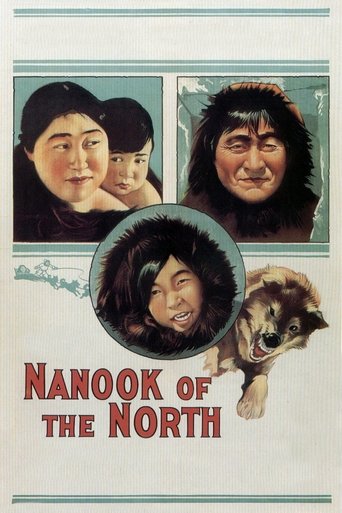
- Nanook of the North (1922) - Pioneering documentary that proved commercial viability
- Robert J. Flaherty's ethnographic approach
- Expedition films of the 1910s and early 1920s
- Travelogues popular in early cinema
- National Geographic Society's photographic expeditions
This film influenced
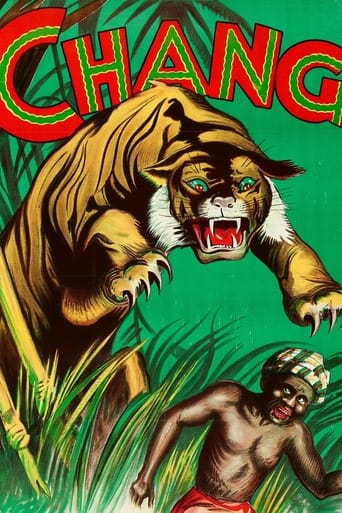
- Chang (1927) - Cooper and Schoedsack's next documentary
- King Kong (1933) - Adventure techniques developed in Grass
- Man of Aran (1934) - Similar approach to documenting traditional life
- Nanook of the North (1922) - Though earlier, Grass's success influenced its reputation
- The African Queen (1951) - Location filming in extreme conditions
- Microcosmos (1996) - Nature documentary techniques
- March of the Penguins (2005) - Documentary following migration patterns
Film restoration
the picture has been preserved by the Library of Congress and selected for the National Film Registry in 1997 for its cultural, historical, and aesthetic significance. The original nitrate negatives were deteriorating but have been restored through collaborative efforts between major film archives. The Criterion Collection released a digitally restored version in 2005, sourced from the best surviving elements. Some original footage remains lost or damaged, particularly from the most extreme weather conditions where film was difficult to process. The restoration work has stabilized the picture for future generations, though some scenes show the inevitable degradation of early film stock. Multiple archives worldwide hold copies, including the Museum of Modern Art, the British Film Institute, and the UCLA Film & Television Archive.
Where to watch
- The Criterion Collection (Blu-ray/DVD with restored version and special features)
- Kino Lorber (DVD release)
- The Library of Congress National Screening Room (free streaming)
- Kanopy Streaming Service (available with library membership)
- MUBI (occasionally featured in their documentary collection)
- Film Forum and other art house cinemas (during special screenings)
- Museum of Modern Art (periodic screenings as part of their film series)
- Academic film collections and university libraries