Merian C. Cooper
Actor
Born: October 24, 1893 in Jacksonville, Florida, USA Died: April 21, 1973 Active: 1925-1962 (as filmmaker), 1925 (as actor) Birth Name: Merian Caldwell Cooper
Films
1 film
About Merian C. Cooper
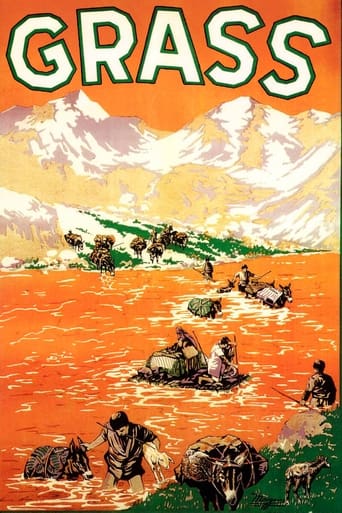
American filmmaker, aviator, adventurer, and producer: extraordinary military service, exploration, and cinema. Born in Jacksonville, Florida, he served as a pilot in World War I and later became an explorer, documenting his travels in films. He co-founded RKO Pictures and was instrumental in creating some of Hollywood's most memorable films, most famously co-creating 'King Kong' with Ernest B. Schoedsack. Beyond his film work, Cooper continued his military service during World War II and was eventually promoted to brigadier general in the Air Force Reserve. His adventurous spirit and innovative filmmaking techniques helped establish the template for adventure and fantasy films that would follow, though his acting career was limited to a single appearance in 'Grass: A Nation's Battle for Life' (1925).
The Craft
On Screen
Limited to documentary-style appearance in 'Grass' where he served as both expedition member and co-director, focusing on authentic observation rather than dramatic performance
Milestones
- Co-directed 'Grass: A Nation's Battle for Life' (1925)
- Co-founded RKO Pictures
- Co-created and produced 'King Kong' (1933)
- Produced 'The Most Dangerous Game' (1932)
- Directed 'Chang: A Drama of the Wilderness' (1927)
- Produced 'Mighty Joe Young' (1949)
- Received Academy Honorary Award (1949)
Best Known For
Iconic Roles
Must-See Films
Accolades
Won
- Academy Honorary Award (1949) - 'For his many innovations and contributions to the art of motion pictures'
Nominated
- Academy Award for Best Picture for 'The Best Years of Our Lives' (1946) - as producer
Special Recognition
- Hollywood Walk of Fame star
- AFI Life Achievement Award (1972 - posthumously)
- U.S. Air Force Brigadier General (retired)
- Flying Cross
- Silver Star
- French Legion of Honor
Working Relationships
Worked Often With
Studios
Why They Matter
Impact on Culture
Cooper revolutionized adventure and fantasy filmmaking with 'King Kong,' creating one of cinema's most enduring icons that has been referenced, remade, and celebrated for decades. His documentary techniques influenced ethnographic filmmaking, bringing remote cultures to mainstream audiences. His work at RKO helped establish the studio system and demonstrated the commercial viability of effects-driven blockbuster films. His military service and filmmaking career exemplified the adventurous spirit of early 20th-century America, bridging the gap between exploration and entertainment.
Lasting Legacy
Cooper's legacy includes the creation of King Kong, one of cinema's most recognizable characters, and his work in documentary and adventure films. He helped establish RKO Pictures as a major studio and influenced generations of filmmakers with his innovative techniques. His dual careers in military service and filmmaking represent a unique intersection of adventure and artistry that continues to inspire storytellers. The special effects techniques he pioneered in 'King Kong' laid the groundwork for modern blockbuster cinema.
Who They Inspired
Cooper influenced countless filmmakers including Steven Spielberg, Peter Jackson, and George Lucas, all of whom cite 'King Kong' as a major inspiration. His work with special effects in 'King Kong' paved the way for modern blockbuster cinema and established the template for monster movies. His documentary techniques influenced ethnographic filmmakers and nature documentarians. His approach to combining adventure, spectacle, and emotion became a model for Hollywood blockbusters.
Off Screen
Cooper's personal life was marked by his adventurous spirit and dedication to both filmmaking and military service. He married three times, with his final marriage to film editor Ruth Carroll lasting 40 years until his death. He had two children and maintained friendships with notable figures including Charles Lindbergh and John Ford. His dual careers in military service and filmmaking represented a unique intersection of adventure and artistry that defined his character.
Education
Lawrenceville School, Princeton University (attended but did not graduate due to military service)
Family
- Eleanor Brown (1916-1924)
- Mary Kenzie (1925-1933)
- Ruth Carroll (1933-1973)
Did You Know?
- He was a decorated war hero who served in both World Wars
- He was shot down and captured by the Bolsheviks during the Polish-Soviet War
- He co-founded RKO Pictures in 1928
- He was promoted to brigadier general in the Air Force Reserve
- He was friends with aviation pioneer Charles Lindbergh
- He was one of the first filmmakers to use sound in documentaries
- He helped develop the Technicolor process
- He was a member of the Explorers Club
- He was nominated for an Oscar for Best Picture for 'The Best Years of Our Lives'
- His name inspired the character 'Merian' in the film 'Jurassic Park'
- He once flew with the Lafayette Escadrille in WWI
- He was involved in creating the Cinerama widescreen process
In Their Own Words
I have been an adventurer, an explorer, a soldier, and a filmmaker. Each has taught me something about the other.
On King Kong: 'It's not about a giant ape; it's about beauty and the beast, a story as old as time.'
The camera is the modern explorer's tool, allowing us to bring distant worlds to everyone.
Adventure is not just in faraway places; it's in the stories we tell and the dreams we create.
Film should take you places you've never been and show you things you've never seen.
Frequently Asked Questions
Who was Merian C. Cooper?
American filmmaker, aviator, and adventurer who co-created 'King Kong' and co-founded RKO Pictures. He had a remarkable career that included military service in both World Wars and work in documentary and adventure films, though his acting career was limited to a single film appearance.
What films is Merian C. Cooper best known for?
Titles linked here include King Kong (1933), The Most Dangerous Game (1932).
When was Merian C. Cooper born and when did he die?
Born October 24, 1893; died April 21, 1973.
What awards did Merian C. Cooper win?
Cooper received an Academy Honorary Award in 1949 for his innovations in motion pictures and was nominated for Best Picture as a producer of 'The Best Years of Our Lives' (1946). He also received the AFI Life Achievement Award posthumously in 1972 and numerous military honors.
What was Merian C. Cooper's directing style?
Cooper's directing style emphasized authenticity and adventure, often filming on location in challenging environments. He pioneered documentary techniques that captured real-life experiences while maintaining dramatic storytelling, blending realism with cinematic spectacle.
Did Merian C. Cooper serve in the military?
Yes, Cooper had an extensive military career, serving as a pilot in World War I, fighting in the Polish-Soviet War, and serving in the Army Air Forces during World War II, eventually reaching the rank of brigadier general in the Air Force Reserve.
What was Merian C. Cooper's role in creating King Kong?
Cooper co-created 'King Kong' with his directing partner Ernest B. Schoedsack, conceiving the story and overseeing production. He was deeply involved in all aspects of the film's creation, from developing the concept to supervising the groundbreaking special effects that brought the giant ape to life.
How did Merian C. Cooper influence modern cinema?
Cooper's work on 'King Kong' revolutionized special effects and established the template for monster movies and blockbusters. His documentary techniques influenced ethnographic filmmaking, and his adventurous storytelling approach inspired generations of filmmakers including Steven Spielberg and Peter Jackson.