Films
1 film
About Lufta
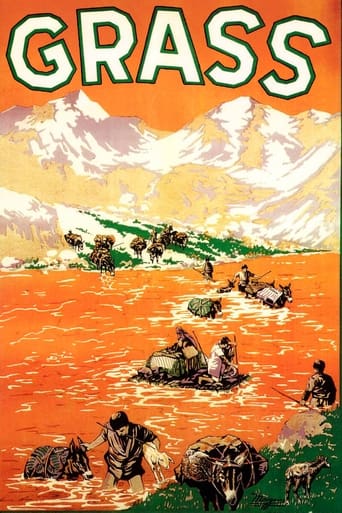
Lufta was cast in 1925 documentary 'Grass: A Nation's Battle for Life. ' Lufta was one of the tribal members documented during their annual migration across the Zagros Mountains in search of grazing lands for their herds. The film, directed by Merian C. Cooper and Ernest B. Schoedsack, captured Lufta and fellow tribespeople undertaking this perilous 48-day journey, which involved crossing the torrential Karun River while floating their families and possessions on inflated goat skins. Lufta's participation in this documentary represents one of the earliest examples of ethnographic filmmaking, where real tribal members were filmed in their natural environment rather than actors performing roles. The film documented traditional Bakhtiari life that would soon be transformed by modernization, making Lufta's appearance historically significant as a record of a disappearing way of life. This single appearance in 1925 represents Lufta's entire known film career, as they were not a professional actor but a participant in their tribe's actual migration.
The Craft
On Screen
Natural, non-professional documentary subject displaying authentic tribal life and migration practices
Milestones
- Appeared in the documentary 'Grass: A Nation's Battle for Life' (1925)
Best Known For
Iconic Roles
Must-See Films
Working Relationships
Worked Often With
Studios
Why They Matter
Impact on Culture
Lufta's appearance in 'Grass: A Nation's Battle for Life' contributed to. The film brought international attention to the Bakhtiari tribe and their remarkable way of life, influencing both documentary filmmaking and Western understanding of Middle Eastern cultures. Lufta and fellow tribal members became symbols of human endurance and the preservation of traditional cultures in the face of modernization. The documentary's success helped establish the ethnographic film genre and demonstrated the power of cinema to document disappearing ways of life.
Lasting Legacy
Lufta's legacy is preserved through their participation in a film that remains a landmark achievement in documentary cinema. 'Grass: A Nation's Battle for Life' continues to be studied by film historians, anthropologists, and scholars interested in early documentary techniques and ethnographic representation. The film serves as an invaluable historical record of Bakhtiari tribal life in the early 20th century, with Lufta representing the authentic human element that made the documentary so compelling. Their contribution to cinema, though unintentional, helped pave the way for future documentary filmmakers seeking to capture real people and real experiences on film.
Who They Inspired
As a non-professional documentary subject, Lufta influenced the development of ethnographic filmmaking by demonstrating the power of authentic, unscripted human stories. The natural behavior and genuine emotions displayed by Lufta and other tribal members in the film showed documentary filmmakers that reality itself could be more compelling than staged performances. This approach influenced later documentary traditions including Direct Cinema and Cinéma Vérité movements of the 1960s, which emphasized observational filming of real people in their natural environments.
Off Screen
Member of the nomadic Bakhtiari tribe, one of Iran's largest and most prominent tribal confederations. As a tribal member, Lufta would have lived a traditional nomadic lifestyle, moving seasonally with the tribe's herds across the Zagros Mountains. The Bakhtiari were known for their resilience, independence, and deep connection to their ancestral lands and traditions. Lufta's daily life would have centered around herding animals, maintaining tribal customs, and participating in the tribe's epic annual migration that was documented in the film.
Did You Know?
- Lufta was one of approximately 50,000 Bakhtiari tribespeople documented during their annual migration
- The film 'Grass: A Nation's Battle for Life' was shot over seven months in extremely challenging conditions
- Directors Cooper and Schoedsack lived with the Bakhtiari tribe during filming, gaining their trust
- The documentary was one of the first films selected for preservation in the United States National Film Registry
- The film's title 'Grass' refers to the tribe's search for grazing lands for their animals
- Lufta and other tribal members had to cross the Karun River using traditional methods with inflated goat skins
- The documentary was a commercial success and helped launch Cooper and Schoedsack's careers
- The film was shot on location in the Zagros Mountains at altitudes up to 15,000 feet
- Cooper and Schoedsack later went on to create 'King Kong' (1933), inspired by their experiences filming 'Grass'
- The Bakhtiari migration documented in the film was a tradition dating back thousands of years
Frequently Asked Questions
Who was Lufta?
Screen credits include the 1925 documentary 'Grass: A Nation's Battle for Life.' Lufta was not a professional actor but a real tribal member documented during their annual migration across the Zagros Mountains.
What film is Lufta known for?
Lufta is known exclusively for appearing in 'Grass: A Nation's Battle for Life' (1925), a documentary film that captured the Bakhtiari tribe's annual migration in search of grazing lands.
When was Lufta active in film?
Lufta's only known film appearance was in 1925, making their active period extremely brief. They were not a professional actor but a documentary subject captured during their tribe's traditional migration.
What is the significance of 'Grass: A Nation's Battle for Life'?
The film is considered a landmark achievement in documentary cinema and one of the earliest examples of ethnographic filmmaking. It documented a traditional way of life that was rapidly disappearing and influenced future documentary filmmakers.
Who directed the film featuring Lufta?
The film was directed by Merian C. Cooper and Ernest B. Schoedsack, who later became famous for directing 'King Kong.' They lived with the Bakhtiari tribe for seven months to gain their trust and document their journey authentically.
What happened to the Bakhtiari tribe after the film?
The Bakhtiari tribe continues to exist in modern-day Iran, though many have settled into more modern lifestyles. The traditional migration documented in the film has largely ceased due to modernization and government policies.
Is 'Grass: A Nation's Battle for Life' preserved?
Yes, the film was selected for preservation in the United States National Film Registry in 1997 for its cultural, historical, and aesthetic significance. It remains an important document of early documentary filmmaking.