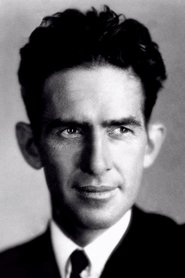
Ernest B. Schoedsack
Actor & Director
Born: June 8, 1893 in Brooklyn, New York, USA Died: December 23, 1979 Active: 1920s-1950s Birth Name: Ernest Beaumont Schoedsack
Films
2 films
About Ernest B. Schoedsack
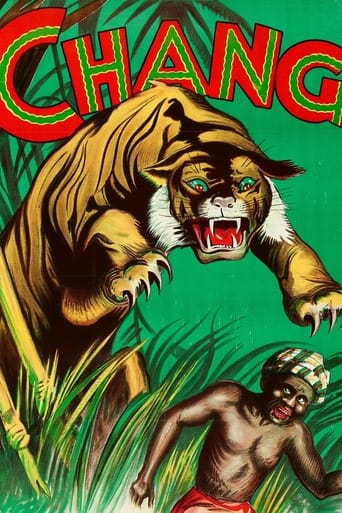
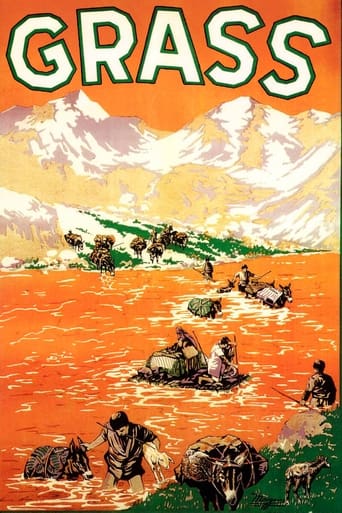
American filmmaker and cinematographer who revolutionized documentary and adventure filmmaking in the early 20th century. Beginning his career as a combat photographer during World War I, he developed a distinctive visual style that combined documentary authenticity with dramatic storytelling. His early works, particularly 'Grass: A Nation's Battle for Life' (1925) and 'Chang: A Drama of the Wilderness' (1927), established him excelled in ethnographic filmmaking, capturing remote cultures and natural environments with unprecedented intimacy. Schoedsack's most enduring legacy comes from his partnership with Merian C. Cooper, with whom he co-directed the 'King Kong' (1933), a film that forever changed the landscape of special effects and monster cinema. Throughout his career, he continued to push technical boundaries, working across various genres from documentaries to adventure epics and dramatic features. His later career included directing films like 'Mighty Joe Young' (1949) and numerous television projects, maintaining his reputation for spectacle and visual innovation until his retirement in the 1950s. Schoedsack's work bridged the gap between documentary realism and Hollywood fantasy, influencing generations of filmmakers who followed.
The Craft
On Screen
While primarily known as a director, Schoedsack occasionally appeared in his own documentaries, typically in observational or behind-the-scenes roles rather than as a traditional actor. His on-screen presence was minimal and functional, serving mainly to document the filmmaking process or provide narrative context.
Behind the Camera
Schoedsack's directing style was characterized by a unique blend of documentary realism and dramatic spectacle. He pioneered techniques for filming in extreme locations, often working under dangerous conditions to capture authentic footage. His visual approach emphasized grand scale and immersive perspectives, using innovative camera movements and compositions to create a sense of wonder and adventure. He was particularly skilled at integrating real documentary footage with staged sequences seamlessly, creating a hybrid form that influenced both documentary and fiction filmmaking.
Milestones
- Directed the groundbreaking documentary 'Grass: A Nation's Battle for Life' (1925)
- Co-directed the revolutionary 'King Kong' (1933) with Merian C. Cooper
- Pioneered ethnographic filmmaking with 'Chang: A Drama of the Wilderness' (1927)
- Served as combat photographer in World War I
- Won Academy Award for Best Effects for 'Mighty Joe Young' (1949)
- Developed innovative techniques for combining documentary footage with dramatic narrative
Best Known For
Iconic Roles
Must-See Films
Accolades
Won
- Academy Award for Best Special Effects for 'Mighty Joe Young' (1949)
Nominated
- Academy Award nomination for Best Art Direction for 'The Last Days of Pompeii' (1935)
Special Recognition
- Star on the Hollywood Walk of Fame
- Honored by the Directors Guild of America for documentary techniques
- Recognized by the American Film Institute for contributions to adventure cinema
Working Relationships
Worked Often With
Studios
Why They Matter
Impact on Culture
Ernest Schoedsack fundamentally transformed both documentary filmmaking and Hollywood cinema through his innovative techniques and genre-blending approach. His early ethnographic works like 'Grass' and 'Chang' established new standards for documentary authenticity while introducing dramatic elements that made them accessible to mainstream audiences. The success of 'King Kong' created an entirely new subgenre of monster movies and demonstrated the commercial viability of special effects-driven cinema. His work helped establish the adventure film as a major Hollywood genre, influencing countless filmmakers from Steven Spielberg to Peter Jackson. Schoedsack's techniques for combining real footage with staged sequences prefigured modern found footage and mockumentary styles.
Lasting Legacy
Schoedsack's legacy endures through his groundbreaking technical innovations and genre-defining films. 'King Kong' remains. His documentary techniques established practices still used in ethnographic filmmaking today. The visual language he developed for creating spectacle and wonder on screen has become standard in blockbuster filmmaking. His partnership with Merian C. Cooper represents one of cinema's most fruitful creative collaborations, producing works that continue to captivate audiences nearly a century later. Film historians recognize Schoedsack as a crucial figure in bridging documentary realism with Hollywood fantasy.
Who They Inspired
Schoedsack influenced generations of filmmakers through his innovative approach to location shooting, special effects, and genre blending. Directors like Peter Jackson have cited 'King Kong' as a major influence, particularly in the realm of creature effects and emotional storytelling. His documentary techniques influenced the development of cinema verité and observational documentary styles. Special effects pioneers including Willis O'Brien and Ray Harryhausen built upon his foundation of combining practical effects with dramatic narrative. Adventure filmmakers from Spielberg to James Cameron owe a debt to Schoedsack's ability to create awe-inspiring spectacle grounded in human emotion.
Off Screen
Ernest Schoedsack led a life as adventurous as his films, surviving numerous dangerous expeditions and filming conditions. He married screenwriter Ruth Rose, who collaborated with him and Merian C. Cooper on several projects including 'King Kong'. During World War II, he served in the U.S. Army Signal Corps, continuing his work with documentary filmmaking. His later years were marked by declining health, but he remained respected in the film industry for his groundbreaking contributions. Schoedsack's personal philosophy emphasized the importance of capturing authentic human experiences and natural wonders on film.
Education
Attended Columbia University but left to pursue photography and filmmaking; largely self-taught in cinematography and film techniques through practical experience and wartime service
Family
- Ruth Rose (1926-1979, his death)
Did You Know?
- Lost part of his vision in one eye during World War I, which affected his depth perception but didn't hinder his cinematography
- During filming of 'Grass', he and his crew survived temperatures of 40 degrees below zero while documenting the Bakhtiari migration
- He was an accomplished pilot and often used aerial photography in his films
- The original 'King Kong' budget was only $672,000 but grossed over $1.7 million during its initial release
- He served as president of the Motion Picture Editors Guild
- During the filming of 'Chang', a crew member was killed by a tiger, highlighting the dangers of his documentary methods
- His wife Ruth Rose wrote the screenplay for 'King Kong' after accompanying him on expeditions
- He was one of the first directors to use rear projection techniques extensively
- Schoedsack and Cooper created the 'RKO Radio Pictures' logo with the transmitting tower
- He was friends with aviation pioneer Amelia Earhart and documented some of her flights
In Their Own Words
We don't make pictures to make money. We make money to make more pictures.
The camera is the eye of civilization, showing us worlds we could never otherwise see.
In every frame, there should be wonder - whether it's the wonder of nature or the wonder of imagination.
Documentary is not about showing life as it is, but as it feels when you're truly living it.
The greatest special effect is always the human heart.
Frequently Asked Questions
Who was Ernest B. Schoedsack?
American filmmaker and cinematographer best known for co-directing 'King Kong' (1933) and for his groundbreaking documentary films like 'Grass' (1925) and 'Chang' (1927). He was instrumental in developing techniques for combining documentary realism with Hollywood spectacle.
What films is Ernest B. Schoedsack best known for?
Titles linked here include King Kong (1933), Grass: A Nation's Battle for Life (1925).
When was Ernest B. Schoedsack born and when did he die?
Born June 8, 1893; died December 23, 1979.
What awards did Ernest B. Schoedsack win?
Schoedsack won an Academy Award for Best Special Effects for 'Mighty Joe Young' (1949) and received a nomination for Best Art Direction for 'The Last Days of Pompeii' (1935). He also received a star on the Hollywood Walk of Fame for his contributions to cinema.
What was Ernest B. Schoedsack's directing style?
Schoedsack's directing style blended documentary authenticity with dramatic spectacle, often filming in dangerous or remote locations. He pioneered techniques for seamlessly integrating real footage with staged sequences and emphasized grand visual scale and immersive perspectives that created wonder and adventure.
How did Ernest B. Schoedsack influence modern cinema?
Schoedsack influenced modern cinema through his innovations in special effects, his development of the monster movie genre with 'King Kong', and his techniques for combining documentary realism with fictional storytelling. His work inspired generations of filmmakers in adventure, documentary, and fantasy genres.
What was Ernest B. Schoedsack's relationship with Merian C. Cooper?
Schoedsack had a legendary creative partnership with Merian C. Cooper, co-directing several films including 'King Kong'. Their collaboration combined Cooper's visionary storytelling with Schoedsack's technical expertise and documentary background, creating some of the most influential films of the 1930s.