Chang: A Drama of the Wilderness
"Elephants overrun a Siamese village"
Keys: Space play/pause · ←/→ 10s · F fullscreen · M mute · </> speed
About this film
Kru's family battles elephants raiding their northern Siam village in Merian Cooper and Ernest Schoedsack's 1927 docu-drama. Real wildlife footage anchors a tale of jungle survival.
Cast & crew
More films like this


More Documentary films
View all →
More from Ernest B. Schoedsack
View all →More about this film
About the production
Release dateApril 24, 1927
BudgetNot precisely documented, but estimated around $150,000-200,000 - a substantial sum for a documentary in 1927
Box officeCommercially successful, grossing approximately $500,000 domestically and earning significant international revenue
ProductionFamous Players-Lasky Corporation, Paramount Pictures
Filmed inNorthern Siam (modern-day Thailand), Jungles near Nan Province, Remote village locations in Thailand
Filming took nearly two years (1925-1927) under extraordinarily dangerous conditions. The crew, including directors Schoedsack and Cooper, lived among the local villagers and faced numerous life-threatening situations, including close encounters with wild animals. Many scenes were staged but used real animals and local people, blurring the line between documentary and fiction. The filmmakers had to transport heavy camera equipment through dense jungle and often filmed from precarious positions, including trees and specially constructed platforms.
Themes
Themes & topics
JungleElephantsSurvivalThailandSiamDocumentaryWildlifeFamilyNatureAdventureSilent FilmTigersVillage LifeHuntingAgriculture
Historical background
Released in 1927, Chang: A Drama of the Wilderness belongs to the silent feature period and reflects production norms of its release season.
Why this film matters
Chang: A Drama of the Wilderness contributes to understanding regional output and audience tastes around 1927.
Making of
The making of 'Chang' was an extraordinary feat of filmmaking that pushed the boundaries of what was possible in the 1920s. Directors Cooper and Schoedsack, inspired by their previous documentary 'Grass' (1925), journeyed to Northern Siam with minimal equipment and a small crew. They lived alongside the local family for months, learning their language and customs while planning the film. The production faced constant challenges from the harsh jungle environment, including monsoons, disease-carrying insects, and the ever-present danger of wild animals. The filmmakers developed innovative techniques for wildlife photography, including building elevated platforms in trees and using long lenses to safely capture animal behavior. Many sequences that appear spontaneous were actually carefully orchestrated with the help of local villagers who understood animal behavior. The famous elephant stampede scene required the crew to dig trenches and hide cameras while coordinating with villagers to drive the animals through the village set. The production's authenticity came from its genuine integration with the local community and its willingness to wait for natural events to unfold, sometimes taking weeks to capture a single perfect shot.
What critics said
Review records for Chang: A Drama of the Wilderness are typical of 1927: brief for shorts, more sustained for features.
Did you know?
- The title 'Chang' is the Thai word for 'elephant', the central animal in the film's narrative
- Directors Merian C. Cooper and Ernest B. Schoedsack would later create 'King Kong' (1933), using techniques they developed on 'Chang'
- The film was nominated for the first-ever Academy Award for Best Unique and Artistic Production at the 1929 ceremony
- Many animal attacks seen in the film were real and unscripted, putting both crew and local participants in genuine danger
- The young boy who played one of the children was actually the son of the real family portrayed in the film
- Cooper and Schoedsack spent over a year living with the Siamese family before filming began to gain their trust
- The film's success led to a wave of jungle and adventure films throughout the late 1920s and 1930s
- Some scenes were filmed using multiple cameras simultaneously to capture dangerous animal interactions from different angles
- The elephant capture sequence took weeks to film and required coordination with dozens of local villagers
- The film was one of the first to use the term 'documentary' in its marketing, though it contains staged elements
Awards & recognition
- Academy Honorary Award (1929) - For Unique and Artistic Production (shared with 'The Jazz Singer' and 'Sunrise')
- Photoplay Medal of Honor (1927) - One of the year's most distinguished pictures
Visual style
The cinematography in 'Chang' was revolutionary for its time, employing techniques that were groundbreaking in the mid-1920s. Cinematographer Ernest B. Schoedsack (who also co-directed) developed innovative methods for capturing wildlife in their natural habitat, including the use of elevated platforms in trees and specially designed camera housings that could withstand the harsh jungle environment. The film features remarkable long shots that establish the vastness of the jungle and intimate close-ups that capture the emotional faces of its human subjects. The camera work during animal sequences was particularly daring, with photographers often placing themselves in dangerous positions to achieve dramatic footage. The use of natural lighting throughout creates an authentic, documentary feel, while the composition of shots demonstrates a sophisticated understanding of visual storytelling. The film's most celebrated sequence - the elephant stampede - was captured using multiple cameras strategically placed to show the destruction from various angles, a technique that would become standard in action filmmaking. The cinematography successfully balances the grand scale of nature with intimate human moments, creating a visual language that influenced both documentary and narrative cinema for decades.
Innovations
'Chang' pioneered numerous technical innovations that would influence filmmaking for decades. The production team developed custom camera equipment capable of withstanding extreme humidity and temperature fluctuations in the jungle environment. They created innovative camera housings and protective gear that allowed for filming in dangerous situations, including underwater scenes and close wildlife encounters. The film's editing techniques, particularly in the action sequences, established new standards for building tension and excitement in documentary footage. The use of multiple cameras to capture single events from different angles was revolutionary for its time. The production team also developed methods for transporting heavy equipment through difficult terrain, including building makeshift roads and using local elephants as pack animals. The film's special effects, while minimal, included clever use of miniatures and forced perspective shots that enhanced the scale of the jungle environment. The synchronization of real animal behavior with planned narrative sequences demonstrated unprecedented planning and technical skill. These achievements were particularly remarkable given the limitations of 1920s technology and the remote filming locations.
Music
As a silent film, 'Chang' was originally presented with live musical accompaniment that varied by theater. The score was typically composed by the theater's music director and ranged from full orchestral arrangements in urban movie palaces to simple piano accompaniment in smaller venues. The music emphasized the film's dramatic moments, particularly during animal attack sequences, and used authentic-sounding Asian-inspired motifs during scenes of village life. When the film was re-released in later years, various recorded scores were created, including versions by contemporary composers who attempted to blend traditional Siamese music with Western orchestral traditions. Some modern screenings feature newly commissioned scores that incorporate authentic Thai instruments and musical scales. The absence of dialogue in the original version meant that intertitles carried the narrative, but the visual storytelling was so effective that many scenes needed no text at all. The sound design in modern restorations includes ambient jungle sounds and animal noises that enhance the immersive experience while maintaining the film's documentary authenticity.
Famous quotes
Nature is the great teacher - she shows us how to live and how to die.
In the jungle, every day is a battle for survival.
The elephant is the king of the jungle, but even kings must respect the strength of united men.
We take from the jungle only what we need, and we give back our respect.
When the wild beasts come, we do not run - we stand together as one.
Memorable scenes
- The devastating elephant stampede through the village, where massive elephants trample houses and crops in a terrifying display of nature's power
- The tense tiger attack sequence where a leopard stalks the family's livestock and must be fought off with primitive weapons
- The climactic elephant capture scene where the entire village works together using ancient techniques to trap and subdue a wild elephant
- The opening sequence establishing the family's daily routine and their harmonious relationship with the jungle environment
- The monsoon sequence showing the family's struggle against torrential rains and flooding
What audiences thought
Audiences in 1927 were captivated by 'Chang's exotic locations and thrilling sequences. The film was a box office success, particularly in urban centers where audiences were hungry for glimpses of distant lands. Many viewers reported being genuinely frightened by the animal attack scenes, which were unprecedented in their realism. The film's human elements resonated strongly with Depression-era audiences who could relate to themes of struggle and survival against overwhelming odds. Contemporary audiences viewing the film today often express admiration for its technical achievements and authentic feel, though some find the pacing slow by modern standards. The film maintains a cult following among classic film enthusiasts and documentary scholars. Online reviews frequently praise its 'breathtaking cinematography' and 'gripping narrative' while noting its historical importance as an early example of the documentary form. The film's power to transport viewers to another time and place remains undiminished after nearly a century.
Film connections
Influenced by
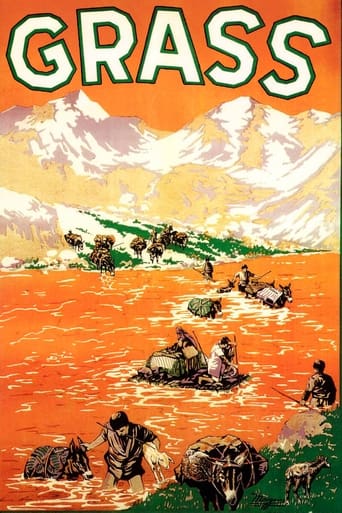
- Grass (1925) - Previous documentary by the same directors
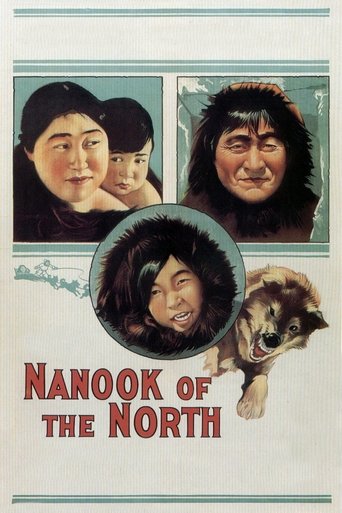
- Nanook of the North (1922) - Early documentary that established the genre
- The Covered Wagon (1923) - Epic location filming
- The Lost World (1925) - Early adventure film with exotic locations
- Travelogue films of the 1920s
This film influenced
- King Kong (1933) - Same directors, similar adventure themes
- Mighty Joe Young (1949) - Similar human-animal interaction themes
- The Elephant Boy (1937) - Similar setting and themes
- Disney's True-Life Adventures series - Nature documentary approach
- The Barefoot Executive (1971) - Elephant themes
- Jurassic Park (1993) - Man vs. nature themes
- The Revenant (2015) - Survival themes
Film restoration
Preserved in the United States National Film Registry since 1999 for its cultural, historical, and aesthetic significance. The film exists in several archives, including the Library of Congress and the Museum of Modern Art. A restored version was released in 2005 with improved image quality and a new musical score. While some deterioration is visible in existing prints, the film is considered well-preserved for its age and remains accessible to scholars and the public.
Where to watch
- Available on DVD from Criterion Collection
- Streaming on The Criterion Channel
- Available for digital rental on Amazon Prime Video
- Occasionally screened at film festivals and classic cinema venues
- Available through some university film archives
- Public domain versions available on YouTube and Internet Archive