Films
1 film
About Natives of the Wild
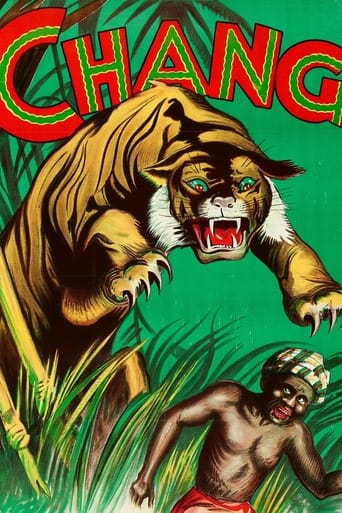
The 'Natives of the Wild' were not individual actors but rather a collective group of indigenous people from the jungles of Siam (modern-day Thailand) who were featured in the documentary film 'Chang: A Drama of the Wilderness' (1927). These individuals, including men, women, and children from various local tribes, were recruited by filmmakers Merian C. Cooper and Ernest B. Schoedsack to portray authentic versions of themselves in their natural habitat. Their participation was central to the film's revolutionary approach, which blended documentary observation with dramatic narrative techniques. The natives performed their daily activities, rituals, and struggles against wild animals and nature, providing an unprecedented level of authenticity to the motion picture. Their performances were entirely unscripted, captured as the filmmakers observed real interactions between the indigenous people and their environment. This collective 'acting' debut and conclusion in 1927 represents one of the earliest examples of non-professional, indigenous performers playing themselves in a major feature film, though their individual identities were not preserved in the historical record. The film's success at the box office and its critical acclaim were largely due to the genuine presence and compelling reality these native participants brought to the screen.
The Craft
On Screen
Their 'acting' was completely naturalistic and untrained, consisting of authentic portrayals of their daily lives, hunting techniques, family interactions, and spiritual rituals. They did not follow a script but instead were filmed by Cooper and Schoedsack as they lived their lives and faced real challenges, particularly from the region's wild animals. Their performances were characterized by raw emotion, genuine fear during animal attacks, and authentic cultural practices, bringing an unparalleled level of realism to the screen that was revolutionary for its time.
Milestones
- Featured in the revolutionary documentary-drama 'Chang: A Drama of the Wilderness' (1927)
- Participated in one of the first films to combine documentary realism with narrative storytelling
- Contributed to a film that was nominated for the first-ever Academy Award for Unique and Artistic Production
- Helped pioneer the 'ethnographic' and 'participatory documentary' film genres
Best Known For
Iconic Roles
Must-See Films
Accolades
Nominated
- Academy Award for Unique and Artistic Production (1929) - awarded to the film's directors, but based on their performances)
Working Relationships
Worked Often With
Studios
Why They Matter
Impact on Culture
The native participants in 'Chang' had a profound and lasting impact on cinema by introducing authentic, non-Western perspectives and images to global audiences at a time when most depictions of indigenous peoples were based on stereotypes or played by white actors in makeup. Their genuine portrayal of their lives and struggles helped establish the credibility and artistic potential of documentary filmmaking, influencing generations of filmmakers to seek authenticity and respect for their subjects. The film's success demonstrated that audiences were hungry for real stories from distant cultures, paving the way for future ethnographic films and more respectful representations of indigenous peoples on screen.
Lasting Legacy
The legacy of the 'Natives of the Wild' is enshrined in their contribution to a film that remains a landmark of early cinema and documentary art. While their individual names are lost to history, their collective performance in 'Chang' continues to be studied by film scholars as a example of participatory documentary and cross-cultural filmmaking. Their authentic presence helped challenge the prevailing cinematic norms of the 1920s and opened doors for more genuine representations of non-Western cultures, establishing a precedent for the ethical considerations that would later become central to documentary and anthropological filmmaking.
Who They Inspired
Their influence can be seen in the work of later documentary filmmakers like Robert Flaherty ('Nanook of the North'), who similarly used non-professional local people to portray themselves. The authentic approach they exemplified influenced the development of cinema verité in the 1960s and continues to inspire contemporary documentary filmmakers who prioritize genuine human stories over staged narratives. Their participation demonstrated that the most powerful cinematic moments often come not from professional acting, but from capturing the truth of real human experience.
Off Screen
The personal lives of the individual native participants remain largely undocumented, as they were treated as a collective group rather than named individuals in the production. They were members of various local tribes living in the remote jungles of northern Siam, maintaining traditional lifestyles centered on hunting, gathering, and small-scale agriculture. Their involvement in the film was a temporary interruption to their daily existence, after which they returned to their communities and traditional ways of life, with no further recorded involvement in the film industry.
Education
No formal Western education; their knowledge consisted of traditional skills, survival techniques, and cultural practices passed down through generations within their indigenous communities.
Did You Know?
- The term 'Natives of the Wild' was a credit given by the filmmakers, not a self-identifying name for the group.
- None of the individual native participants were named in the film's credits, reflecting the era's practices.
- The filmmakers lived among the tribes for over a year to gain their trust and document their lives authentically.
- Many of the animal attacks shown in the film were real, and the natives' reactions were genuine fear and survival instinct.
- The film's title 'Chang' is the Siamese word for 'elephant,' a central figure in the natives' struggle.
- The natives were reportedly paid for their participation, though the exact compensation is unknown.
- Their participation predated the establishment of modern ethical guidelines for filming indigenous subjects.
- The film was one of the first to use intertitles to provide cultural context for the actions of non-Western subjects.
Frequently Asked Questions
Who were the 'Natives of the Wild'?
The 'Natives of the Wild' were a group of indigenous people from Siam (modern Thailand) who appeared as themselves in the 1927 film 'Chang: A Drama of the Wilderness.' They were non-professional performers who were filmed living their daily lives and facing real challenges in their jungle habitat.
What film is the 'Natives of the Wild' known for?
They are known exclusively for their participation in 'Chang: A Drama of the Wilderness' (1927), a groundbreaking documentary-drama that was nominated for the first Academy Award for Unique and Artistic Production.
When were the 'Natives of the Wild' active?
Their only recorded film work was in 1927 during the production and release of 'Chang.' There are no records of them being involved in any other film projects before or after this date.
What was special about their contribution to cinema?
Their contribution was revolutionary because they brought unprecedented authenticity to the screen by portraying themselves rather than characters. This helped establish the documentary film genre and influenced how indigenous peoples could be represented in cinema.
Why aren't the individual names of the native performers known?
The filmmakers credited them collectively as 'Natives of the Wild' rather than listing individual names, a common practice of the era that reflected a lack of recognition for non-professional indigenous performers. Their individual identities were not preserved in the historical record.