Films
1 film
About Ladah
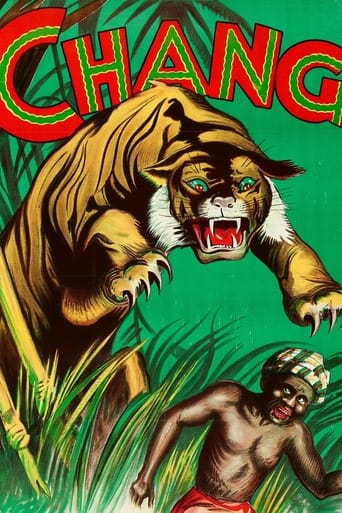
Siamese (Thai) villager who was cast as an actor in the 1927 film 'Chang: A Drama of the Wilderness.' He was one of several local residents from northern Siam who were selected by directors Merian C. Cooper and Ernest B. Schoedsack to participate in this innovative documentary-narrative hybrid film. Unlike professional actors of the era, Ladah — authentic member of the rural community depicted in the film, bringing genuine realism to his performance. His participation in 'Chang' represents an early example of non-professional actors being used in cinema to achieve authenticity. The film documented the daily struggles of jungle life, including hunting wild animals and surviving nature's challenges. Ladah's brief but memorable appearance in this Academy Award-nominated film represents his entire known film career, making him a fascinating footnote in cinema history as one of the first non-professional actors to gain recognition in a major motion picture.
The Craft
On Screen
Naturalistic and authentic, representing genuine rural Siamese life rather than theatrical performance
Milestones
- Appeared in 'Chang: A Drama of the Wilderness' (1927)
- One of the first non-professional actors in a major documentary-narrative film
- Participated in a film nominated for the inaugural Academy Award for Best Unique and Artistic Picture
Best Known For
Iconic Roles
Must-See Films
Accolades
Nominated
- Academy Award for Best Unique and Artistic Picture (1929) - as part of the cast of Chang
Working Relationships
Worked Often With
Studios
Why They Matter
Impact on Culture
Ladah's participation in 'Chang' represents an important moment in cinema history, as it exemplifies the early use of non-professional actors to achieve documentary authenticity. His authentic performance, alongside other local villagers, helped establish a precedent for future documentary and ethnographic filmmaking. The film's success demonstrated that audiences were interested in genuine depictions of unfamiliar cultures, paving the way for later documentary traditions. Ladah and his fellow cast members became some of the first Thai people to appear in an internationally distributed motion picture, introducing Western audiences to Siamese culture and rural life.
Lasting Legacy
Ladah's legacy is tied to his role in the use of non-professional actors in narrative cinema. While he only appeared in one film, his contribution to 'Chang' helped establish techniques that would influence documentary filmmaking for decades. The film itself remains a landmark in early documentary cinema and was preserved in the National Film Registry in 2019 for its cultural and historical significance. Ladah represents the countless anonymous individuals from around the world who participated in early cinema, bringing authenticity and cultural representation to the silver screen.
Who They Inspired
As one of the first non-professional actors to appear in a major motion picture, Ladah indirectly influenced the development of documentary and ethnographic filmmaking. His natural performance style, devoid of theatrical artifice, demonstrated the power of authenticity in cinema. This approach would later be adopted by filmmakers like Robert Flaherty and influenced the Italian neorealist movement of the 1940s, which also emphasized non-professional actors and realistic settings.
Off Screen
Very little is known about Ladah's personal life beyond his participation in 'Chang.' As a rural villager from northern Siam in the 1920s, he likely lived a traditional lifestyle centered around farming, hunting, and community life. His selection for the film was based on his authentic representation of Siamese rural life rather than any acting experience or training.
Did You Know?
- Ladah was not a professional actor but a real villager from northern Siam
- The film 'Chang' took over two years to make due to the challenges of filming in the jungle
- Ladah and other cast members had to perform dangerous scenes, including confronting real wild animals
- The film's title 'Chang' means 'elephant' in Thai, though Ladah's specific role in the film is not detailed in surviving records
- Directors Cooper and Schoedsack lived among the villagers for months to gain their trust and cooperation
- The film was one of the first to use the term 'documentary' in its marketing, though it contained staged elements
- Ladah's performance was completely unscripted, based on his actual daily activities and experiences
- The film was a commercial success and helped launch Cooper and Schoedsack's careers, leading to their creation of 'King Kong'
- No records exist of Ladah's life before or after the film, making him one of cinema's mysterious figures
- The film was shot on location in Nan Province, Thailand, using primitive cameras that had to be cranked by hand
Frequently Asked Questions
Who was Ladah?
Siamese villager from northern Thailand who appeared as a non-professional with credits in this catalog.' He was one of several local residents cast by directors Merian C. Cooper and Ernest B. Schoedsack to authentically portray rural Siamese life in this groundbreaking documentary-narrative hybrid film.
What films is Ladah best known for?
Titles linked here include Chang: A Drama of the Wilderness (1927).
When was Ladah born and when did he die?
The exact birth and death dates of Ladah are unknown, as he was a non-professional actor from rural Siam (Thailand) in the 1920s. Historical records for villagers of that time and place were not maintained, and no documentation exists about his life beyond his participation in the 1927 film.
What awards did Ladah win?
Ladah did not receive any personal awards, but the film 'Chang' in which he appeared was nominated for the Academy Award for Best Unique and Artistic Picture at the first Academy Awards ceremony in 1929. This nomination recognized the entire cast and crew's contribution to this innovative film.
What was Ladah's acting style?
Ladah's acting style was completely naturalistic and authentic, as he was not a trained actor but simply portraying his real daily life and activities. His performance represented genuine rural Siamese existence rather than theatrical artifice, bringing unprecedented realism to early cinema.