Films
1 film
About Than
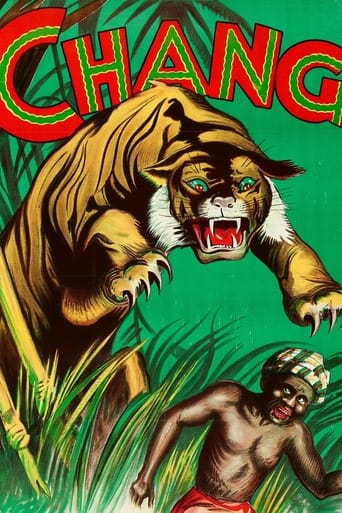
Than performed in 1927 documentary-style film 'Chang: A Drama of the Wilderness. ' Unlike professional actors of the era, Than was not a trained performer but rather an actual resident of the rural jungle community where the film was shot by directors Merian C. Cooper and Ernest B. Schoedsack. His participation in the film represented the authentic portrayal of daily life in the Siamese wilderness, including the constant struggle for survival against wild animals and the harsh natural environment. The filmmakers spent over a year living among the villagers, documenting their real experiences and challenges, with Than and other community members essentially playing versions of themselves. His brief appearance in cinema history came during the silent era when documentary filmmaking was still in its infancy, and his contribution helped create one of the earliest examples of what would later be called ethnographic cinema. After the film's completion, Than returned to his village life, with no further known involvement in the film industry.
The Craft
On Screen
Naturalistic, non-professional performance portraying authentic village life
Milestones
- Appeared in 'Chang: A Drama of the Wilderness' (1927)
Best Known For
Iconic Roles
Must-See Films
Accolades
Nominated
- Academy Award nomination for Best Unique and Artistic Picture (1927/28) - as part of the cast
Working Relationships
Worked Often With
Studios
Why They Matter
Impact on Culture
Than's contribution to cinema, though brief, represents an important moment in film history as part of one of the earliest examples of documentary-style narrative filmmaking. His authentic portrayal of Siamese village life helped introduce Western audiences to Southeast Asian culture and the human struggle against nature. The film's innovative approach to using real people in their natural environment influenced later documentary and ethnographic filmmaking techniques. As a non-professional actor from a non-Western culture, Than's presence in a major Hollywood-distributed film was rare for the era and helped pave the way for more authentic cultural representation in cinema.
Lasting Legacy
Than's legacy is preserved through his participation in 'Chang,' which remains a significant work in early documentary cinema and was nominated for the first Academy Award for Best Unique and Artistic Picture. The film continues to be studied by film historians for its innovative techniques and authentic portrayal of 1920s Siamese rural life. His image, captured by the filmmakers, serves as a historical record of traditional village life in northern Thailand before modernization dramatically changed the region.
Who They Inspired
As a non-professional actor from a traditional society, Than's naturalistic performance style influenced later documentary filmmakers who sought authenticity over theatricality. His participation demonstrated the power of using real people to tell stories about their own lives, a technique that would become fundamental to documentary and ethnographic filmmaking. The success of 'Chang' helped establish the credibility of documentary-style narrative films in mainstream cinema.
Off Screen
Very little is known about Than's personal life beyond his appearance in the film. He was a resident of a remote jungle village in northern Siam during the 1920s, living a traditional lifestyle that involved farming, hunting, and protecting his community from wild animals. Like other villagers featured in the film, his daily existence was characterized by the constant struggle for survival in the harsh wilderness environment.
Did You Know?
- Than was not a professional actor but a real villager living in the jungle of northern Siam
- The filmmakers Merian C. Cooper and Ernest B. Schoedsack lived among the villagers for over a year during filming
- 'Chang' was one of the first films to receive an Academy Award nomination for Best Unique and Artistic Picture
- The film's title 'Chang' means 'elephant' in Thai, reflecting the central role of these animals in village life
- Than and other villagers performed their own stunts, including real scenes with dangerous wild animals
- The film was shot on location in Nan Province, Thailand, using primitive cameras that had to be hand-cranked
- Cooper and Schoedsack later used similar documentary techniques in their more famous film 'King Kong' (1933)
- The villagers were paid for their participation with goods and supplies rather than money
- Many scenes in the film involved real dangers, including actual tiger attacks on livestock
- Than's appearance in the film represents one of the earliest examples of non-Western people authentically portrayed in Western cinema
Frequently Asked Questions
Who was Than?
Screen credits include the 1927 film 'Chang: A Drama of the Wilderness.' He was not a professional actor but rather an actual resident of the jungle community where the documentary-style film was shot.
What films is Than best known for?
Titles linked here include Chang: A Drama of the Wilderness (1927).
When was Than born and when did he die?
Specific birth and death dates for Than are not recorded, as he was a non-professional villager from 1920s Siam. He was an adult during the filming of 'Chang' in 1927, and his personal biographical details were not documented.
What awards did Than win?
Than did not receive any personal awards, but 'Chang: A Drama of the Wilderness' was nominated for the Academy Award for Best Unique and Artistic Picture in 1927/28, the first and only year this category existed.
What was Than's acting style?
Than's performance was completely naturalistic and authentic, as he was essentially playing himself in his real environment. Unlike professional actors of the silent era, he did not use theatrical techniques but rather demonstrated genuine reactions to the real situations documented in the film.
How did Than get involved in filmmaking?
Than was recruited to participate in 'Chang' when directors Merian C. Cooper and Ernest B. Schoedsack lived in his village for over a year while filming. They selected actual villagers to portray themselves in this documentary-style narrative about life in the Siamese jungle.