Films
1 film
About Bimbo the Monkey
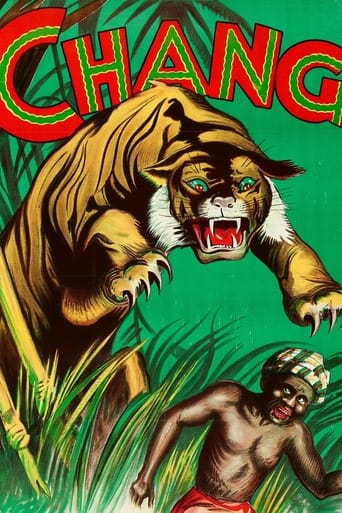
Remarkable animal actor who gained fame through his performance in the 1927 film 'Chang: A Drama of the Wilderness.' This capuchin monkey was discovered and trained by filmmakers Merian C. Cooper and Ernest B. Schoedsack during their expedition to Siam (now Thailand) to document life in the jungle. Bimbo's naturalistic performance and apparent ability to follow complex directions impressed audiences and critics alike, making him one of the early animal stars of cinema. His role in 'Chang' demonstrated the potential for animal actors to convey emotion and personality on screen, paving the way for future animal performers in Hollywood. Though his career was brief, spanning only this single film, Bimbo's contribution to cinematic history remains significant as part of innovative documentary-dramas of the silent era. The monkey's interactions with the human cast and other animals helped create the authentic wilderness atmosphere that made 'Chang' a critical and commercial success.
The Craft
On Screen
Naturalistic and instinctual performance style that appeared untrained yet followed complex direction, demonstrating remarkable intelligence and adaptability to the film's demanding jungle environment
Milestones
- Star performance in 'Chang: A Drama of the Wilderness' (1927)
- One of the first animal actors to receive screen credit
- naturalistic animal performance in documentary-style cinema
Best Known For
Iconic Roles
Must-See Films
Accolades
Nominated
- Academy Award nomination for Best Unique and Artistic Picture (1927) - as part of the cast of 'Chang'
Special Recognition
- Recognized as one of cinema's animal performers
- Featured in film history retrospectives on early animal actors
Working Relationships
Worked Often With
Studios
Why They Matter
Impact on Culture
Bimbo the Monkey's performance in 'Chang' helped establish the viability of animal actors in serious dramatic cinema, moving beyond the comic relief roles that animals typically played in silent films. His naturalistic acting style influenced how filmmakers approached animal performances in subsequent decades, demonstrating that animals could contribute meaningfully to narrative storytelling. The success of 'Chang' and Bimbo's performance helped pave the way for more sophisticated animal roles in films like 'King Kong' (1933), which was also made by Cooper and Schoedsack and featured extensive animal performances.
Lasting Legacy
Bimbo the Monkey remains a significant figure in the history of animal actors, representing an early example of how non-human performers could be integrated into serious cinematic narratives. His work in 'Chang' is frequently cited in film studies courses examining the evolution of documentary-style filmmaking and the use of animals in cinema. The monkey's performance continues to be analyzed for its naturalism and the technical achievements involved in capturing such authentic animal behavior on film in the 1920s.
Who They Inspired
Bimbo's success influenced future filmmakers to recognize the dramatic potential of animal actors, leading to more sophisticated training methods and better integration of animal performers in narrative films. His work demonstrated that animals could be more than mere spectacle or comic relief, opening doors for future animal stars like Rin Tin Tin and later performers who would become beloved household names.
Off Screen
Little is documented about Bimbo's personal life beyond his film career. As a wild-caught capuchin monkey from the jungles of Siam, he was likely captured and trained specifically for the film production. His relationship with the filmmakers and cast appeared positive, as evidenced by his cooperative performance throughout the demanding shoot.
Did You Know?
- Bimbo was a capuchin monkey, known for their high intelligence and trainability
- The filmmakers discovered Bimbo during their extensive location scouting in the Siamese jungle
- Unlike many animal actors of the era, Bimbo performed without apparent coercion or harsh training methods
- His performance was so convincing that many contemporary audiences believed he was truly a wild monkey who happened to wander into the film's scenes
- Bimbo's role included complex interactions with human actors, other animals, and the jungle environment
- The monkey's training took several months before filming could begin
- Bimbo was one of the few animal actors to receive specific mention in contemporary film reviews
- His performance techniques influenced how Cooper and Schoedsack approached the animal sequences in their later film 'King Kong'
- The success of Bimbo's performance helped establish the commercial viability of films featuring trained animals
- Despite the film's success, Bimbo never appeared in another movie, making his career one of the shortest yet most impactful in cinema history
Frequently Asked Questions
Who was Bimbo the Monkey?
Capuchin monkey who became one of cinema's earliest animal stars through his performance in the 1927 film 'Chang: A Drama of the Wilderness.' He was discovered and trained by directors Merian C. Cooper and Ernest B. Schoedsack during their filmmaking expedition to Siam.
What films is Bimbo the Monkey best known for?
Titles linked here include Chang: A Drama of the Wilderness (1927).
When was Bimbo the Monkey born and when did he die?
Specific birth and death dates for Bimbo the Monkey are unknown, as was typical for animal actors of the silent era. He was discovered as an adult monkey in the jungles of Siam (now Thailand) during the 1926-1927 filming expedition.
What awards did Bimbo the Monkey win?
While Bimbo himself did not receive individual awards, he was part of the cast of 'Chang' which was nominated for the Academy Award for Best Unique and Artistic Picture at the very first Academy Awards ceremony in 1929. His performance was widely praised by critics of the time.
What was Bimbo the Monkey's acting style?
Bimbo's acting style was remarkably naturalistic and instinctual, appearing untrained while actually following complex direction. His performance demonstrated the intelligence and adaptability of capuchin monkeys, creating authentic interactions with human actors and the jungle environment that convinced audiences of his wild nature.
How did Bimbo the Monkey influence later films?
Bimbo's success influenced how filmmakers approached animal performances, particularly directors Cooper and Schoedsack who later made 'King Kong.' His naturalistic style helped establish that animals could play serious dramatic roles rather than just comic relief, paving the way for future animal stars in cinema.