Films
1 film
About Nah
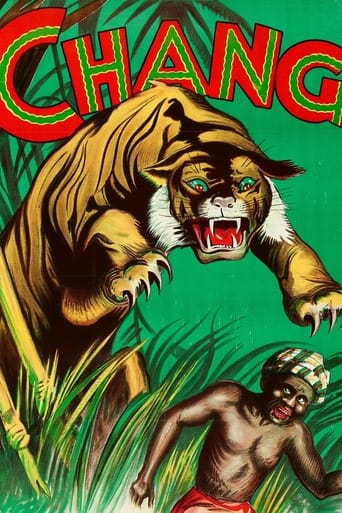
Local villager from Siam (modern-day Thailand) who participated in the 1927 documentary film 'Chang: A Drama of the Wilderness.' As a non-professional actor, Nah was one of the authentic Siamese villagers who collaborated with directors Merian C. Cooper and Ernest B. Schoedsack to create this innovative blend of documentary and narrative filmmaking. The film was shot on location in the jungles of northern Siam, capturing the real daily struggles and triumphs of rural life. Nah's participation represented the authentic representation of indigenous people in early cinema, a rarity during the colonial era of filmmaking. The film's success at the box office and critical acclaim brought temporary attention to its Siamese cast members, though most returned to their traditional lives after filming concluded. Nah's contribution to cinema, while brief, was part of a revolutionary approach to ethnographic filmmaking that influenced future documentary traditions.
The Craft
On Screen
Naturalistic and authentic performance as a real villager living their daily life rather than performing a scripted role
Milestones
- Appeared in the Academy Award-nominated film 'Chang: A Drama of the Wilderness' (1927)
- Participated in groundbreaking documentary-style filmmaking techniques
- Represented authentic Siamese village life to international audiences
Best Known For
Iconic Roles
Must-See Films
Accolades
Nominated
- Academy Award nomination for Best Unique and Artistic Production (1929) - as part of the cast of 'Chang'
Working Relationships
Worked Often With
Studios
Why They Matter
Impact on Culture
Nah's participation in 'Chang' contributed to one of the earliest examples of ethnographic documentary filmmaking that reached mainstream international audiences. The film offered Western viewers an unprecedented glimpse into Siamese rural life, challenging typical exotic portrayals of Asian peoples in cinema. The authenticity of performances by villagers like Nah helped establish a new standard for documentary realism that would influence future generations of filmmakers. The film's success demonstrated the commercial viability of documentary-style features and opened doors for more authentic representations of non-Western cultures in cinema.
Lasting Legacy
Though brief, Nah's cinematic legacy endures through their contribution to this documentary film. 'Chang' remains a significant milestone in film history as one of the first feature-length documentaries to achieve both critical acclaim and commercial success. The film's innovative blend of actuality footage and staged narrative sequences influenced the development of documentary cinema and nature filmmaking. Nah and the other villagers' authentic performances demonstrated the power of real people telling their own stories, a principle that continues to guide documentary filmmakers today.
Who They Inspired
As a non-professional actor in a groundbreaking documentary, Nah's naturalistic approach to performance helped establish the value of authenticity in documentary filmmaking. The film's success influenced later documentary filmmakers to seek genuine subjects rather than using professional actors for documentary-style productions. The techniques pioneered in 'Chang' would later influence filmmakers like Robert Flaherty and the entire documentary movement of the 1930s and beyond.
Off Screen
Little is documented about Nah's personal life beyond their participation in the film. As a rural villager from northern Siam in the 1920s, Nah likely lived a traditional lifestyle centered around farming, hunting, and village community life. The film documented the real challenges faced by Siamese villagers, including threats from wild animals and the struggle for survival in the jungle environment.
Education
Traditional village education and life skills training typical of rural Siam in the early 20th century
Did You Know?
- 'Chang' was filmed over 15 months in the jungles of northern Siam
- The film's title 'Chang' means 'jungle' in the Siamese language
- Directors Cooper and Schoedsack lived among the villagers for over a year before filming began
- Many of the animal sequences in the film were real and extremely dangerous to film
- The film was a box office success and helped launch Cooper and Schoedsack's careers
- 'Chang' was one of the first films to receive an Academy Award nomination for Best Picture
- The film's innovative techniques influenced the later creation of 'King Kong' by the same directors
- Most of the Siamese villagers who appeared in the film returned to their traditional lives after filming
- The film was considered lost for decades before being rediscovered and restored
- Authentic tiger attacks shown in the film were real and nearly cost the filmmakers their lives
Frequently Asked Questions
Who was Nah?
Local villager from Siam (modern Thailand) who appeared as a non-professional with credits in this catalog.' Nah was one of the authentic Siamese villagers who participated in this groundbreaking film that documented real jungle life.
What films is Nah best known for?
Titles linked here include Chang: A Drama of the Wilderness (1927).
When was Nah born and when did they die?
Specific birth and death dates for Nah are not documented, as they were a rural villager rather than a professional actor with recorded biographical information. They were active during the filming of 'Chang' in 1925-1926 in northern Siam.
What awards did Nah win?
While Nah did not receive personal awards, the film 'Chang' was nominated for the Academy Award for Best Unique and Artistic Production at the first Academy Awards in 1929, making it part of Oscar history.
What was Nah's acting style?
Nah's performance was entirely naturalistic, as they were not acting but simply living their daily life while being filmed. This authenticity was revolutionary for its time and established a new standard for documentary realism in cinema.