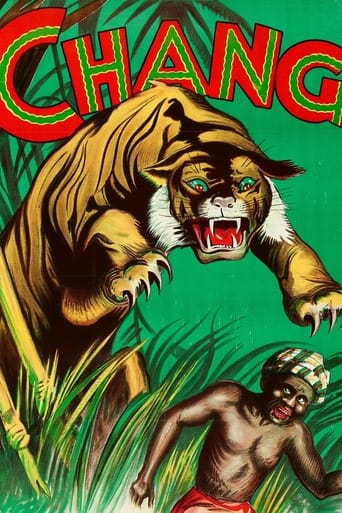
Films
1 film
About Kru
Local villager from northern Siam (modern-day Thailand) who starred as the main protagonist in the 1927 documentary film 'Chang: A Drama of the Wilderness.' As the head of a family living in the dense jungle, Kru demonstrated remarkable survival skills while protecting his wife and children from the dangers of the wilderness, including tigers, leopards, and other wild animals. His performance, though untrained, captured the authentic struggles and triumphs of rural life in 1920s Southeast Asia, providing Western audiences with an unprecedented glimpse into a culture rarely seen on screen. Directors Merian C. Cooper and Ernest B. Schoedsack discovered Kru during their extensive location scouting in the region and were immediately drawn to his commanding presence and natural charisma. The film required Kru to perform actual hunting sequences and dangerous animal encounters, making his contributions both cinematic and genuinely life-threatening. His participation in 'Chang' represents one of the earliest examples of non-professional actors from non-Western cultures gaining recognition in American cinema.
The Craft
On Screen
Naturalistic and authentic, Kru's acting style was completely untrained and spontaneous, reflecting real-life situations rather than theatrical performance. His presence on screen was characterized by genuine emotion and authentic reactions to the actual dangers he faced during filming, including real animal encounters and hunting sequences.
Milestones
- Starred in 'Chang: A Drama of the Wilderness' (1927)
- One of the first non-Western actors to gain recognition in American documentary cinema
Best Known For
Iconic Roles
Must-See Films
Working Relationships
Worked Often With
Studios
Why They Matter
Impact on Culture
Kru's appearance in 'Chang' marked a significant moment in cinema history as one of the earliest instances of non-Western, non-professional actors being featured prominently in an American film. His authentic portrayal of Siamese rural life helped challenge Western stereotypes about Asian cultures and provided audiences with a more genuine representation of life in Southeast Asia during the colonial era. The film's success, partially due to Kru's compelling presence, helped pave the way for more ethnographic and documentary-style filmmaking that valued authenticity over theatrical performance.
Lasting Legacy
Kru's legacy endures through his contribution to early documentary cinema and his role in bringing authentic Southeast Asian culture to international audiences. While he remained a one-film performer, his work in 'Chang' continues to be studied by film historians as an important example of early ethnographic filmmaking and cross-cultural representation in cinema. The film's preservation in the National Film Registry ensures that Kru's contribution to cinema history will be remembered for generations to come.
Who They Inspired
As one of the first non-Western subjects to gain recognition in American documentary film, Kru influenced future generations of documentary filmmakers to seek authentic subjects and real people rather than trained actors for documentary work. His natural performance style helped establish the importance of authenticity in documentary filmmaking, influencing the development of cinéma vérité and observational documentary traditions in later decades.
Off Screen
Very little is known about Kru's personal life beyond what was depicted in the film. He was portrayed as a family man living in the Siamese jungle with his wife and children, where they faced daily struggles for survival against wild animals and the harsh natural environment. The film showed him as a skilled hunter and protector of his family, demonstrating traditional Siamese rural life and survival techniques.
Did You Know?
- Kru was not a professional actor but a real villager living in the Siamese jungle when discovered by filmmakers
- The name 'Kru' may have been his actual name or a character name given by the filmmakers
- All the hunting scenes in 'Chang' were real, with Kru actually facing dangerous wild animals
- The film took over two years to shoot, with Kru and his family participating throughout the entire production
- Kru's performance was so compelling that the film was nominated for an Academy Award for Unique and Artistic Production
- The success of 'Chang' led directors Cooper and Schoedsack to make 'King Kong' using similar techniques of combining documentary footage with dramatic storytelling
- Kru was one of the first Asian performers to gain recognition in American cinema outside of stereotypical roles
- The film's title 'Chang' is Siamese for 'elephant,' though Kru's character was more focused on hunting smaller game
- Unlike many films of the era, Kru and the other local participants were reportedly treated with respect and compensated fairly for their work
- The film's preservation in the National Film Registry in 2008 ensures Kru's contribution to cinema history is officially recognized
Frequently Asked Questions
Who was Kru?
Siamese villager from northern Thailand who starred as the main character in the 1927 documentary film 'Chang: A Drama of the Wilderness.' He was not a professional actor but rather a real jungle dweller who was discovered by filmmakers Merian C. Cooper and Ernest B. Schoedsack during their location scouting in Siam.
What films is Kru best known for?
Titles linked here include Chang: A Drama of the Wilderness (1927).
When was Kru born and when did he die?
Kru's exact birth and death dates are unknown, as he was a local villager rather than a documented public figure. He was an adult during the filming of 'Chang' in 1925-1927, and the film was set in northern Siam (modern Thailand).
What awards did Kru win?
While Kru personally did not receive any awards, the film 'Chang' was nominated for the Academy Award for Unique and Artistic Production at the first Academy Awards ceremony in 1929. The film was also selected for preservation in the National Film Registry in 2008.
What was Kru's acting style?
Kru's acting style was completely natural and untrained, representing authentic reactions to real situations rather than theatrical performance. He demonstrated genuine emotion during actual hunting sequences and dangerous animal encounters, making his performance compelling through its authenticity rather than technical skill.