Carlo Campogalliani
Actor
Born: October 10, 1885 in Concordia sulla Secchia, Italy Died: August 9, 1974 Active: 1913-1962
Films
1 film
About Carlo Campogalliani
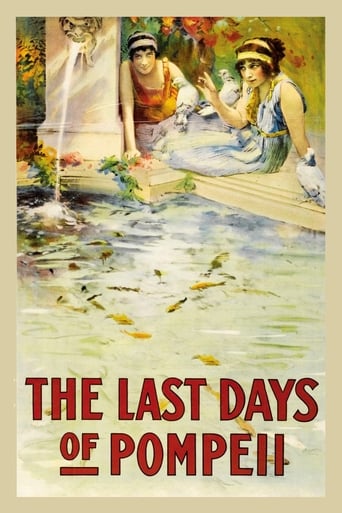
Italian film director, screenwriter, and actor who had a prolific career spanning over five decades in Italian cinema. Born in 1885 in Concordia sulla Secchia, he began his career in the silent film era, making his acting debut in the 1913 historical epic 'The Last Days of Pompeii.' While he started as an actor, Campogalliani quickly transitioned behind the camera, establishing himself as a respected director during the 1920s. He directed numerous films throughout the 1930s, 1940s, and 1950s, working across various genres including historical epics, comedies, and melodramas. His directing career continued well into the sound era, where he adapted successfully to the technical and artistic demands of talking pictures. Campogalliani was particularly known for his work on adventure films and historical spectacles, which showcased his ability to handle large-scale productions. He remained active in the film industry until the early 1960s, directing his final films before retiring from cinema. His career represents a significant bridge between the silent and sound eras of Italian filmmaking.
The Craft
On Screen
As an actor in the silent era, Campogalliani employed the exaggerated gestures and expressive facial techniques typical of early cinema, using physical movement to convey emotion and narrative in the absence of dialogue.
Milestones
- Acting debut in 'The Last Days of Pompeii' (1913)
- Transitioned to directing in the 1920s
- Directed numerous historical epics and adventure films
- Successfully adapted to sound cinema
- Prolific career spanning five decades
Best Known For
Iconic Roles
Must-See Films
Accolades
Special Recognition
- figure in Italian cinema's transition from silent to sound era
Working Relationships
Worked Often With
Studios
Why They Matter
Impact on Culture
Carlo Campogalliani represents an important transitional figure in Italian cinema history, bridging the gap between the silent era and the sound period. His longevity in the industry provided continuity during a time of tremendous technological and artistic change in filmmaking. As both an actor and director, he contributed to the development of Italian cinematic language and helped establish conventions for historical and adventure films that would influence later generations of Italian filmmakers.
Lasting Legacy
Campogalliani's legacy lies in his remarkable adaptability and productivity across different eras of Italian cinema. His extensive filmography provides a valuable record of Italian popular cinema from the 1910s through the early 1960s. While not as celebrated as some of his contemporaries, his workmanlike approach and ability to deliver entertaining genre films made him an important contributor to the Italian film industry's commercial success during its golden age.
Who They Inspired
Campogalliani influenced subsequent generations of Italian filmmakers through his demonstration of how to successfully navigate the transition from silent to sound cinema. His work in historical and adventure genres helped establish templates that would be refined and expanded upon by later Italian directors, particularly in the sword and sandal and peplum genres that became popular in the 1950s and 1960s.
Off Screen
Carlo Campogalliani led a relatively private life outside of his film work, dedicating most of his adult life to the Italian film industry. He witnessed and participated in the evolution of Italian cinema from its early silent days through the post-war period, making him a living repository of cinematic history. His long active years covered multiple political regimes in Italy, including the Fascist era and post-war reconstruction, during which he continued to work productively.
Education
Family
- Information not widely documented
Did You Know?
- Began his career as an actor in the silent era before transitioning to directing
- His acting debut was in the 1913 historical epic 'The Last Days of Pompeii'
- Had a career spanning nearly 50 years in the film industry
- Directed films across multiple genres including historical epics, comedies, and melodramas
- Successfully adapted his filmmaking style from silent to sound cinema
- Was part of the generation of filmmakers who helped establish the Italian film industry
- Continued working actively well into his 70s
- His final films were made in the early 1960s during the peplum boom
- Worked during multiple political periods in Italian history including Fascism and post-war reconstruction
- Represented the type of workmanlike director essential to any national film industry's success
In Their Own Words
Information about specific quotes not extensively documented in available sources
Frequently Asked Questions
Who was Carlo Campogalliani?
Italian on YTB.my. He began as an actor in silent films before transitioning to become a successful director, particularly known for historical epics and adventure films.
What films is Carlo Campogalliani best known for?
Titles linked here include The Last Days of Pompeii (1913), Il vetturale del Moncenisio (1939).
When was Carlo Campogalliani born and when did he die?
Born October 10, 1885; died August 9, 1974.
What awards did Carlo Campogalliani win?
While specific major awards are not extensively documented, Campogalliani was recognized as a significant figure in Italian cinema for his longevity and contributions across multiple decades of filmmaking.
What was Carlo Campogalliani's directing style?
Campogalliani was known for his efficient, workmanlike approach to filmmaking with particular skill in managing large-scale productions. His direction emphasized visual storytelling and spectacle, making him reliable for adventure and historical films.