Norman Dawn
Director
Born: May 25, 1884 in Buenos Aires, Argentina Died: February 2, 1975 Active: 1911-1930s Birth Name: Norman Oscar Dawn
Films
1 film
About Norman Dawn
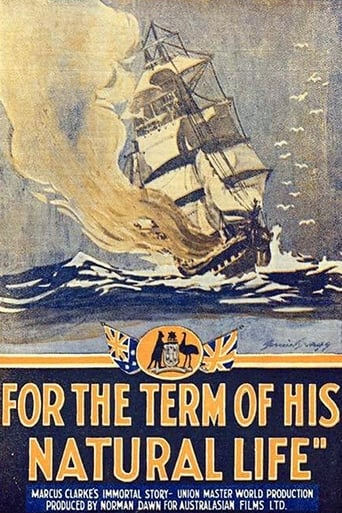
American film director, cinematographer, and special effects pioneer who worked primarily during the silent era. Born in Argentina to American parents in 1884, Dawn began his film career in the early 1910s and quickly established himself as an innovator in visual effects techniques. He developed the revolutionary 'glass shot' technique, which involved painting on glass and placing it between the camera and subject to create seamless composite images. His most significant achievement was directing 'For the Term of His Natural Life' (1927), ambitious and expensive Australian films of the silent era. Dawn's technical innovations laid groundwork for future developments in visual effects, though his prominence diminished with the advent of sound cinema. He continued working in the film industry through the 1930s, primarily as a cinematographer and technical consultant, before retiring from filmmaking. His contributions to early cinema techniques have been increasingly recognized by film historians as crucial developments in the evolution of visual effects.
The Craft
Behind the Camera
Dawn was more renowned for his technical innovations than a distinctive narrative style. His films featured elaborate visual effects and ambitious cinematography for their time, with particular attention to creating realistic composite images through his techniques. His direction emphasized visual spectacle and technical achievement over character development or narrative complexity.
Milestones
- Development of the glass shot technique for visual effects
- Direction of 'For the Term of His Natural Life' (1927)
- Work as cinematographer on early films including 'The Mystery of the Leaping Fish' (1916)
- Pioneer in matte painting and composite photography techniques
- Significant contributions to Australian cinema during the silent era
Best Known For
Must-See Films
Accolades
Special Recognition
- Recognized by film historians as a pioneer in visual effects techniques
- Contributions to Australian cinema history
Working Relationships
Worked Often With
Studios
Why They Matter
Impact on Culture
Norman Dawn's innovations in special effects, particularly the glass shot technique, significantly influenced the development of visual effects in cinema. His technique became a standard tool for filmmakers throughout the silent era and into the early sound period, allowing for the creation of elaborate composite images that would otherwise be impossible to film. Dawn's work in Australia helped establish technical standards for Australian film production during its formative years, demonstrating what could be achieved with limited resources through technical ingenuity. His international career, spanning both Hollywood and Australian cinema, represented the increasingly global nature of film production even in the silent era.
Lasting Legacy
Norman Dawn's lasting legacy in film history lies in his technical innovations rather than his directorial output. The glass shot technique he pioneered influenced generations of cinematographers and special effects artists, remaining in use until more advanced optical printing methods became available. His work on 'For the Term of His Natural Life' remains a significant achievement in Australian cinema history, both for its technical sophistication and its ambitious scale. Film historians continue to recognize Dawn as an important figure in the development of visual effects techniques, even as his name remains relatively unknown to the general public.
Who They Inspired
Dawn's glass shot technique directly influenced the way filmmakers approached visual effects for decades. The method he developed was adapted and refined by subsequent cinematographers and effects artists, becoming a fundamental technique in the visual effects toolkit. His work demonstrated the creative possibilities of combining practical photography with artistic elements, paving the way for more sophisticated composite techniques. The technical standards he helped establish in Australian cinema during the 1920s influenced subsequent generations of Australian filmmakers.
Off Screen
Norman Dawn was married to Violet M. Crispe, an accomplished actress and screenwriter. The couple collaborated professionally on several projects, with Crispe contributing to the screenplay of 'For the Term of His Natural Life.' Dawn's international background, having been born in Argentina to American parents and working in both Hollywood and Australia, gave him a unique perspective on the global film industry. Despite his significant technical contributions to cinema, Dawn remained relatively unknown to the general public, as was common for technical personnel of the silent era.
Family
- Violet M. Crispe (married in the 1920s)
Did You Know?
- Dawn developed the 'glass shot' technique, which involved painting on glass and placing it between the camera and subject to create composite images
- 'For the Term of His Natural Life' (1927) was
- Dawn was born in Argentina to American parents, which gave him a unique international perspective
- He worked both in Hollywood and Australia, making him one of the few directors of his era with significant international experience
- The glass shot technique he developed was used in hundreds of films throughout the silent era
- Dawn's wife, Violet M. Crispe, was an accomplished actress and screenwriter who collaborated with him on several projects
- 'For the Term of His Natural Life' featured elaborate location shooting in Tasmania, which was unusual for the time
- Dawn also worked as a cinematographer early in his career on films like 'The Mystery of the Leaping Fish' (1916)
- His technical innovations predated many later developments in special effects by decades
- Despite his significant contributions to film technology, Dawn remained relatively unknown to the general public
Frequently Asked Questions
Who was Norman Dawn?
American on YTB.my. He is best known for developing the glass shot technique for visual effects and directing the ambitious 1927 Australian film 'For the Term of His Natural Life.'
What films is Norman Dawn best known for?
Titles linked here include For the Term of His Natural Life (1927), The Bushwhacker (1925).
When was Norman Dawn born and when did he die?
Born May 25, 1884; died February 2, 1975.
What awards did Norman Dawn win?
While Norman Dawn did not receive major formal awards during his career, his technical innovations, particularly the glass shot technique, have been recognized by film historians as significant contributions to the development of cinema visual effects.
What was Norman Dawn's directing style?
Norman Dawn was more renowned for his technical innovations than a distinctive narrative style. His films featured elaborate visual effects and ambitious cinematography, with particular emphasis on creating realistic composite images through his glass shot technique.
What was Norman Dawn's contribution to cinema?
Norman Dawn's most significant contribution to cinema was the development of the glass shot technique, which became a standard tool for creating composite images in early films. This technique influenced the development of visual effects throughout the silent era and into the early sound period.
Did Norman Dawn work in Australia?
Yes, Norman Dawn spent several years working in Australia during the 1920s, where he directed 'For the Term of His Natural Life' (1927). This film was.
Was Norman Dawn married?
Yes, Norman Dawn was married to Violet M. Crispe, who was an actress and screenwriter. The couple collaborated on several projects, including 'For the Term of His Natural Life,' where Crispe contributed to the screenplay.