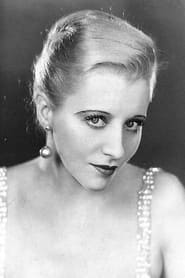
Symona Boniface
Actor
Born: March 5, 1894 in New York City, New York, USA Died: September 2, 1973 Active: 1927-1950 Birth Name: Symona Ferner Boniface
Films
3 films
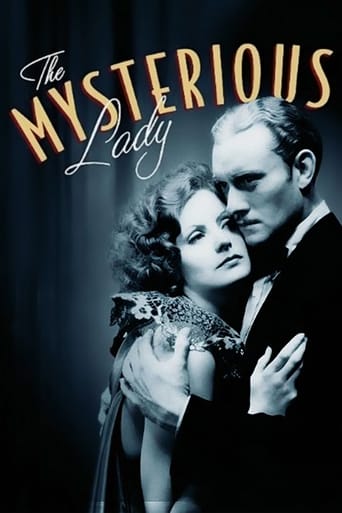

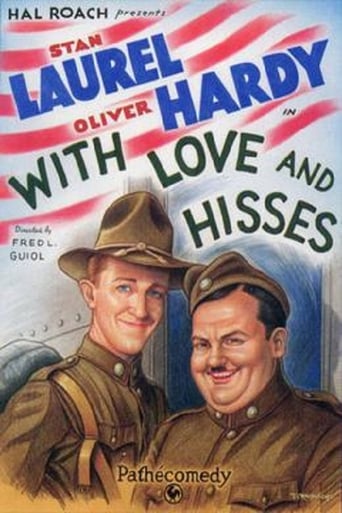
About Symona Boniface
American character actress who enjoyed a prolific career during Hollywood's golden age, particularly known for her work in comedy films. Born in New York City in 1894, she began her film career during the silent era and successfully transitioned into talkies. Boniface became a familiar face to audiences through her numerous appearances in Hal Roach comedy productions, especially in Laurel and Hardy shorts where she often played elegant society women, frustrated wives, or various comic supporting roles. Her distinctive appearance, characterized by her sharp features and expressive face, made her instantly recognizable to moviegoers of the 1930s and 1940s. Beyond comedy, she demonstrated versatility by appearing in dramatic films and maintaining a steady career through multiple decades of changing Hollywood. Boniface's career extended into the early 1950s, after which she retired from acting. Her contributions to classic comedy cinema, while often uncredited or in small roles, were significant in creating the supporting characters that defined the era's film landscape.
The Craft
On Screen
Boniface specialized in character acting with a particular talent for comedy, utilizing her expressive facial features and precise timing to create memorable supporting characters. Her approach was rooted in the theatrical traditions of the early 20th century, adapted for the camera with subtlety and restraint. In comedy roles, she employed a deadpan delivery and exasperated expressions that perfectly complemented the slapstick antics of leading comedians. Her dramatic work showcased her ability to convey complex emotions through minimal gestures and nuanced expressions, a skill particularly valuable in the transition from silent to sound films.
Milestones
- Transition from silent films to talkies
- Prolific work in Hal Roach comedy productions
- Numerous appearances in Laurel and Hardy films
- Consistent character work throughout 1930s-1940s
- Versatility in both comedy and dramatic roles
Best Known For
Iconic Roles
Must-See Films
Working Relationships
Worked Often With
Studios
Why They Matter
Impact on Culture
Symona Boniface contributed significantly to the golden age of Hollywood comedy, particularly through her work with Laurel and Hardy, where she helped create the memorable ensemble casts that defined their films. Her performances as various society women and frustrated wives provided the perfect straight-woman foil to the comic duo's antics, enhancing the comedic timing and effectiveness of countless scenes. As part of the Hal Roach stock company, she was integral to establishing the studio's reputation for quality comedy productions that influenced generations of filmmakers. Her ability to transition seamlessly from silent films to talkies demonstrated the adaptability required of character actors during this transformative period in cinema history.
Lasting Legacy
Symona Boniface's legacy lives on through her extensive body of work in classic comedy films that continue to be enjoyed by audiences worldwide. While never a star, her consistent and reliable performances made her an invaluable part of Hollywood's supporting actor community during its golden age. Film historians and comedy enthusiasts recognize her as one of the many talented character actors who contributed to the success of legendary comedy teams like Laurel and Hardy. Her films remain frequently shown on classic movie channels and at film festivals, introducing new generations to her work. The preservation of Hal Roach productions ensures that her contributions to cinema history will continue to be appreciated and studied.
Who They Inspired
Boniface influenced subsequent generations of character actors through her demonstration of how supporting roles could significantly impact a film's success. Her work in comedy shorts showed the importance of ensemble casting and how skilled character actors could elevate the material beyond the starring performances. Younger actors studying classic comedy can learn from her precise timing, expressive techniques, and ability to create memorable characters with limited screen time. Her career longevity during a period of massive technological change in film serves as an example of adaptability and professionalism in the entertainment industry.
Off Screen
Symona Boniface maintained a relatively private personal life despite her public career. She was married to director and writer James Parrott, who was also closely associated with the Hal Roach studios and worked extensively with Laurel and Hardy. The marriage lasted from 1937 until Parrott's death in 1963. Boniface never had children and devoted her life primarily to her craft. After retiring from acting, she lived a quiet life in California until her death in 1973 at the age of 79.
Education
Limited information available about her formal education, though she likely received theatrical training typical of actors of her era
Family
- James Parrott (1937-1963)
Did You Know?
- Appeared in over 200 films during her career
- Was part of the prestigious Hal Roach stock company of actors
- Often without on-screen billing in her film roles despite her significant contributions
- Worked with virtually every major comedy star of her era
- Her husband James Parrott directed many Laurel and Hardy films
- Transitioned successfully from silent films to talkies
- Was known for her distinctive sharp features and elegant demeanor
- Often played upper-class society women, a type she perfected on screen
- Continued working into the early television era
- Was a favorite of director Hal Roach for her reliability and professionalism
In Their Own Words
As a character actress, I never needed the spotlight - I just needed to make the stars shine brighter.
Working with Laurel and Hardy was like being part of comedy history every day on the set.
Frequently Asked Questions
Who was Symona Boniface?
American character actress active from the 1920s through the 1940s, best known for her work in Hal Roach comedy productions, particularly in Laurel and Hardy films where she often played elegant society women and frustrated wives.
What films is Symona Boniface best known for?
Titles linked here include The Music Box (1932), Sons of the Desert (1933).
When was Symona Boniface born and when did she die?
Born March 5, 1894; died September 2, 1973.
What awards did Symona Boniface win?
Symona Boniface did not receive major formal awards or nominations during her career, which was typical for character actors of her era. Her recognition came from consistent work and the respect of her colleagues in the industry.
What was Symona Boniface's acting style?
Boniface specialized in character acting with a talent for comedy, utilizing expressive facial features and precise timing. She excelled at playing elegant society women and frustrated wives, often using deadpan delivery and exasperated expressions to complement the slapstick antics of leading comedians.
Was Symona Boniface married?
Yes, she was married to director and writer James Parrott from 1937 until his death in 1963. Parrott was closely associated with Hal Roach Studios and directed many Laurel and Hardy films.
How did Symona Boniface transition from silent films to talkies?
Boniface successfully made the transition from silent to sound films by adapting her theatrical acting style for the camera, developing more subtle expressions and clear diction that worked well in talkies, allowing her to maintain steady employment through the 1930s and 1940s.