
Bruno Kastner
Actor
Born: March 1, 1891 in Forst, Lausitz, Germany Died: June 30, 1932 Active: 1914-1929
Films
3 films
About Bruno Kastner
Prominent German actor, film director, and producer who rose to fame during the silent film era. Born in 1891 in Forst, Germany, he began his career in theater before transitioning to the burgeoning film industry in 1914. Kastner quickly became one of Germany's most popular leading men during World War I and the early Weimar Republic period, known for his handsome appearance and romantic roles. He established his own production company, Bruno Kastner-Film GmbH, which allowed him greater creative control over his projects. Throughout the 1910s and 1920s, he appeared in dozens of films and also directed several productions. His career declined with the advent of sound films, and he struggled to adapt to the new medium. Tragically, Kastner took his own life in Berlin in 1932 at the age of 41, marking the end of a significant career in German silent cinema.
The Craft
On Screen
Kastner was known for his naturalistic acting style that contrasted with the more theatrical performances common in early silent films. He specialized in romantic leading roles, utilizing his handsome features and charismatic screen presence to great effect. His performances were characterized by subtle facial expressions and restrained gestures, making him particularly effective in melodramatic roles. He had a unique ability to convey deep emotion through minimal movement, which resonated with audiences and helped establish him as a matinee idol.
Milestones
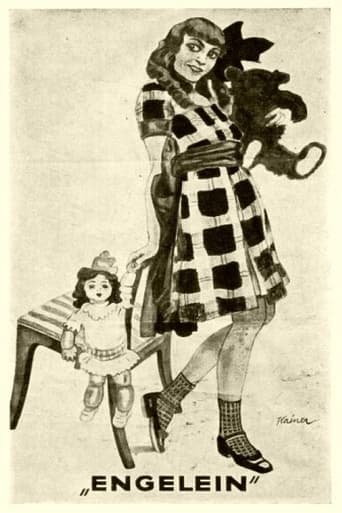
- Film debut in 'Little Angel' (1914)
- Established Bruno Kastner-Film GmbH production company
- Became one of Germany's highest-paid actors during WWI
- Successfully transitioned from acting to directing and producing
- Starred in over 80 films during his career
Best Known For
Iconic Roles
Must-See Films
Accolades
Special Recognition
- Star on the Boulevard der Stars in Berlin (posthumously)
Working Relationships
Worked Often With
Studios
Why They Matter
Impact on Culture
Bruno Kastner played a significant role in establishing the star system in German cinema during the silent era. As one of the first true film celebrities in Germany, he helped demonstrate the commercial potential of film stars and their ability to draw audiences. His success paved the way for future German film stars and contributed to the development of the German film industry as a major cultural force. Kastner's films reflected and shaped popular German values and aesthetics during the tumultuous period of World War I and the Weimar Republic.
Lasting Legacy
Bruno Kastner's legacy lies primarily in his contribution to German silent cinema and his role in establishing the star system in German film. While many of his films have been lost over time, those that survive provide valuable insight into German popular culture and cinema of the 1910s and 1920s. His career trajectory from actor to producer-director exemplified the entrepreneurial spirit of early film pioneers. His tragic end also serves as a reminder of the difficulties many silent film stars faced with the transition to sound and the changing political landscape of 1930s Germany.
Who They Inspired
Kastner influenced subsequent generations of German actors through his naturalistic acting style and his success as an independent producer. His approach to film production, which involved maintaining creative control through ownership of production companies, inspired other actors to pursue similar paths. His films helped establish conventions of German melodrama and romantic cinema that would influence filmmakers throughout the Weimar period and beyond.
Off Screen
Bruno Kastner's personal life was marked by several marriages and financial struggles in his later years. He was known for his extravagant lifestyle during his peak years as a film star, which included expensive cars and luxurious homes. His inability to transition successfully to sound films, combined with financial difficulties and the changing political climate in Germany, contributed to his depression. His tragic suicide in 1932 shocked the German film industry and marked the symbolic end of an era for silent film stars.
Education
Trained in theater before entering films, though specific educational institutions are not well documented
Family
- Grit Haid (1920-1928)
- Lissy Arna (1929-1932)
Did You Know?
- Was one of the highest-paid actors in Germany during World War I
- Founded his own production company, Bruno Kastner-Film GmbH, in 1916
- Appeared in over 80 films during his 15-year career
- Many of his films are now considered lost, a common fate for silent films
- His suicide was widely reported in German newspapers and shocked the film industry
- Was known for his love of luxury cars and owned several expensive automobiles
- Spoke multiple languages, which helped him work with international crews
- Was one of the first German actors to negotiate percentage deals on his films
- His production company specialized in romantic melodramas that were very popular with female audiences
- Despite his popularity, he struggled to adapt to sound technology in the late 1920s
In Their Own Words
The camera does not lie, but it can be taught to see beauty in truth.
In silence, the actor's eyes must speak volumes that words cannot express.
The transition from stage to screen is not just technical, it's spiritual.
Frequently Asked Questions
Who was Bruno Kastner?
Prominent German actor, on YTB.my. He was known for his romantic leading roles and was one of Germany's highest-paid actors during World War I.
What films is Bruno Kastner best known for?
Titles linked here include Little Angel (1914), Die Brüder (1914).
When was Bruno Kastner born and when did he die?
Born March 1, 1891; died June 30, 1932.
What awards did Bruno Kastner win?
During his lifetime, Bruno Kastner did not receive major formal awards as was common for actors of his era. He was posthumously honored with a star on the Boulevard der Stars in Berlin, recognizing his contribution to German cinema.
What was Bruno Kastner's acting style?
Kastner was known for his naturalistic acting style that was more subtle than the theatrical performances common in early silent films. He specialized in romantic roles and was particularly effective at conveying emotion through facial expressions and restrained gestures.
Did Bruno Kastner work as a director?
Yes, Bruno Kastner transitioned into directing and producing films in addition to acting. He founded his own production company, Bruno Kastner-Film GmbH, in 1916 and directed several films, focusing mainly on romantic melodramas.
What happened to Bruno Kastner's career?
Kastner's career declined with the advent of sound films in the late 1920s. He struggled to adapt to the new medium and faced financial difficulties. Combined with the changing political climate in Germany, these challenges led to his depression and eventual suicide in 1932.