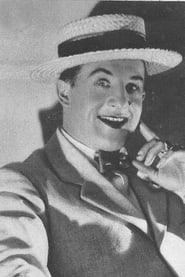
Gus Shy
Actor
Born: May 28, 1893 in Buffalo, New York, USA Died: June 15, 1945 Active: 1915-1936 Birth Name: Augustus Scheu
Films
1 film
About Gus Shy
Prominent American vaudeville and musical comedy star who successfully transitioned to the screen during the early sound era. Born Augustus Scheu in Buffalo, New York, he was the son of the city's Commissioner of Public Works and began his professional stage career as early as 1915. He became a fixture on Broadway throughout the 1920s, gaining fame for his 'drunk act' and eccentric dancing style in hit productions like 'Good News' and 'The New Moon.' His comedic timing and physical agility led to a contract with Metro-Goldwyn-Mayer (MGM) in 1930, where he reprised his stage roles for the film versions of these popular musicals. Though his film career was relatively brief, spanning primarily the 1930s, he appeared in several notable features and comedy shorts alongside stars like Grace Moore and Wallace Beery. In the mid-1930s, Shy shifted his focus behind the scenes, working as a dialogue director for Warner Bros. Before retiring from performing to become a successful Hollywood talent agent. He passed away in 1945 at the age of 52 following a prolonged illness, leaving behind a legacy as one of the versatile performers who helped define the musical comedy genre of the early talkie era.
The Craft
On Screen
Shy was celebrated for his 'eccentric dancing' and a highly refined 'drunk act' that was a staple of his vaudeville routines. His style was characterized by high energy, physical comedy, and a distinctive ability to play the 'comic relief' sidekick in romantic musicals.
Milestones
- Made Broadway debut in Ned Wayburn's 'Town Topics' in 1915
- Starred as Bobby Randall in the original Broadway run of 'Good News' (1927-1929)
- Reprised the role of Bobby Randall in the 1930 MGM film adaptation of 'Good News'
- Appeared in the Broadway and film versions of 'The New Moon' (1928/1930)
- Directed dialogue for the Broadway production 'Ballyhoo of 1932' featuring Bob Hope
- Transitioned to a career as a Hollywood talent agent in the late 1930s
Best Known For
Iconic Roles
Must-See Films
Accolades
Special Recognition
- Recognized as a leading musical comedy star of the 1920s Broadway stage
Working Relationships
Worked Often With
Studios
Why They Matter
Impact on Culture
Gus Shy represented the bridge between the high-energy vaudeville stage and the emerging genre of the Hollywood film musical. His performance in 'Good News' helped establish the 'collegiate musical' trope that would dominate the genre for decades. By bringing his established Broadway characters to the screen, he helped MGM solidify its reputation as the premier studio for musical entertainment during the transition to sound.
Lasting Legacy
Shy's legacy is preserved through his appearances in early MGM musicals, which serve as a record of the specific 'eccentric' performance styles of the 1920s. He is remembered by film historians as a key supporting player who provided essential comedic balance to the operatic leads of the early 1930s. His successful second career as an agent also highlights the professional mobility of early Hollywood performers.
Who They Inspired
His 'drunk act' and physical comedy influenced the next generation of character actors who specialized in comic relief roles in the 1930s and 40s.
Off Screen
Gus Shy was born into a politically connected family in Buffalo; his father was the city's Commissioner of Public Works. He was known in the industry for his transition from performing to the business side of Hollywood, where he established himself as an agent after his health began to decline.
Education
Educated in Buffalo, New York, before pursuing a career in vaudeville.
Did You Know?
- His birth year is often incorrectly cited as 1903 in early databases; research by film historians confirmed he was actually born in 1893.
- He was a noted 'eccentric dancer,' a style of performance that involved unconventional and often humorous movements.
- Shy appeared in the short film 'Crazy House' (1930) alongside Polly Moran and Benny Rubin.
- He worked as a dialogue director for Warner Bros. For several months in the mid-1930s.
- His final film role was in 'The Captain's Kid' (1936), after which he retired from the screen.
- He was featured in a caricature by the famous artist Al Hirschfeld for the production of 'Good News'.
Frequently Asked Questions
Who was Gus Shy?
Popular American vaudeville and Broadway star who became a comedic character with credits in this catalog.
What films is Gus Shy best known for?
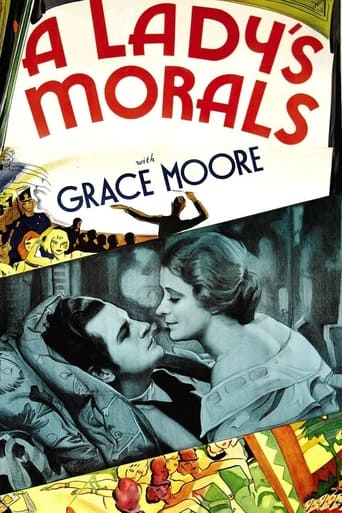
Titles linked here include Good News (1930), A Lady's Morals (1930).
When was Gus Shy born and when did he die?
Born May 28, 1893; died June 15, 1945.
What was Gus Shy's acting style?
He was famous for his 'eccentric dancing' and comedic 'drunk act,' bringing a high-energy vaudevillian sensibility to his film roles.
Did Gus Shy have a career outside of acting?
Yes, after retiring from the screen in 1936, he worked as a dialogue director and later became a successful talent agent in Hollywood.