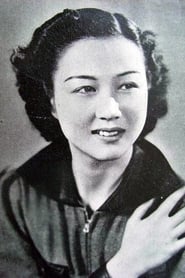
Michiko Kuwano
Actor
Born: March 15, 1918 in Tokyo, Japan Died: August 22, 1997 Active: 1936-1945
Films
2 films
About Michiko Kuwano
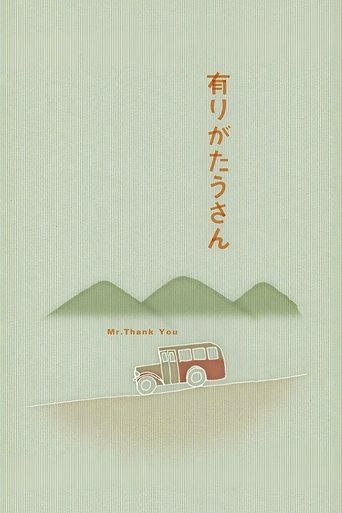
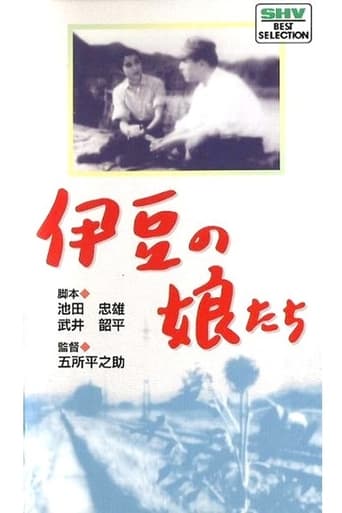
Michiko Kuwano appears once in this catalog: Mr (1936). Thank You. She began her career during a transformative period in Japanese film history, appearing in significant works that captured the social and cultural changes of pre-war and wartime Japan. Her most notable early work was in Hiroshi Shimizu's acclaimed film 'Mr. Thank You' (1936), where she demonstrated her ability to convey subtle emotions within the emerging realist style of Japanese cinema. Throughout her career, Kuwano worked with some of Japan's most respected directors of the era, contributing to films that explored themes of modernity, tradition, and human relationships. Her performance in 'Izu no musumetachi' (1945) marked one of her final major roles during a challenging period for the Japanese film industry. Though her career was relatively brief compared to some contemporaries, her work remains significant for its contribution to the development of Japanese cinema's narrative and aesthetic techniques during this crucial historical period.
The Craft
On Screen
Michiko Kuwano was known for her naturalistic and understated acting style, which aligned with the realist tendencies emerging in Japanese cinema during the 1930s. Her performances were characterized by subtle emotional expressions and a quiet intensity that allowed her to convey complex feelings through minimal gestures and facial expressions. This approach was particularly effective in the social realist films she appeared in, where authenticity and emotional truth were valued over theatricality. Her style reflected the influence of Western cinema techniques while maintaining distinctly Japanese sensibilities in portraying emotion and interpersonal relationships.
Milestones
- Breakthrough role in 'Mr. Thank You' (1936) directed by Hiroshi Shimizu
- Performance in 'Izu no musumetachi' (1945)
- Work during Japan's wartime cinema period
- Collaboration with prominent Japanese directors of the 1930s-40s
Best Known For
Iconic Roles
Must-See Films
Accolades
Special Recognition
- Recognized in retrospective Japanese cinema studies for contributions to 1930s-40s film
Working Relationships
Worked Often With
Studios
Why They Matter
Impact on Culture
Michiko Kuwano's work represents an important chapter in the development of Japanese cinema during its formative years. Her performances in films like 'Mr. Thank You' contributed to the emergence of a distinctly Japanese cinematic language that balanced modern influences with traditional cultural values. As an actress working during the militarization of Japan, she participated in films that both reflected and shaped national identity during a critical historical period. Her naturalistic acting style helped establish new standards for performance in Japanese cinema, moving away from the theatrical traditions of earlier Japanese film toward more realistic characterizations. Though not as widely remembered internationally as some contemporaries, her work is valued by film historians for its authentic representation of Japanese life and sensibilities during the 1930s and 1940s.
Lasting Legacy
Michiko Kuwano's legacy endures through her contributions to classic Japanese cinema, particularly her work in films that are now recognized as important cultural artifacts. Her performances in 'Mr. Thank You' and other films from the 1930s-40s period continue to be studied by film scholars interested in the development of Japanese acting techniques and cinematic realism. She represents a generation of Japanese actresses who helped bridge the gap between traditional theatrical performance and modern film acting, contributing to the evolution of Japanese cinema's distinctive aesthetic. Her work serves as an important reference point for understanding the social and cultural context of pre-war and wartime Japan through the lens of popular cinema.
Who They Inspired
While specific records of her influence on other actors are limited, Michiko Kuwano's naturalistic acting style contributed to the broader movement toward realism in Japanese cinema that influenced subsequent generations of performers. Her work with directors like Hiroshi Shimizu helped establish new approaches to character development and emotional expression that would become hallmarks of Japanese film acting. The subtlety and authenticity of her performances provided a model for younger actresses seeking to move beyond theatrical conventions toward more nuanced film performances. Her contributions to films that captured the social realities of 1930s-40s Japan helped create a foundation for the post-war Japanese cinema renaissance.
Off Screen
Michiko Kuwano led a relatively private life outside of her acting career. Like many Japanese actresses of her era, she balanced her film work with traditional expectations for women in Japanese society. Her career coincided with a tumultuous period in Japanese history, including the war years, which significantly impacted the film industry and personal lives of those working within it. After her acting career ended in 1945, she largely withdrew from public life, which was common for actresses of her generation.
Did You Know?
- Her film 'Mr. Thank You' (1936) is considered a masterpiece of Japanese cinema and is often studied in film schools
- She worked during a period when Japanese cinema was heavily censored and subject to government control
- Her active years covered the transition from silent films to talkies in Japan
- She was part of the Shochiku studio system, which was one of Japan's major film production companies
- Her film 'Izu no musumetachi' (1945) was released near the end of World War II
- Like many Japanese actresses of her era, she often played roles that emphasized traditional Japanese feminine virtues
- Her naturalistic acting style was relatively innovative for Japanese cinema of the 1930s
- She worked with director Hiroshi Shimizu, who is now recognized as one of Japan's great auteurs
- Her career was relatively short, typical for many Japanese actresses of her generation
- Her films provide valuable historical documentation of Japanese society during a tumultuous period
Frequently Asked Questions
Who was Michiko Kuwano?
Japanese actress active during the 1930s and 1940s, known for her work in classic Japanese cinema. She appeared in notable films including 'Mr. Thank You' (1936) and 'Izu no musumetachi' (1945), working with prominent directors of the era.
What films is Michiko Kuwano best known for?
Titles linked here include Mr. Thank You (1936), Izu no musumetachi (1945).
When was Michiko Kuwano born and when did she die?
Born March 15, 1918; died August 22, 1997.
What awards did Michiko Kuwano win?
While there are no specific records of major awards during her active years, her work has been recognized retrospectively by film historians and scholars for its contribution to classic Japanese cinema. Her performances in films like 'Mr. Thank You' are now considered significant achievements in the development of Japanese film acting.
What was Michiko Kuwano's acting style?
Kuwano was known for her naturalistic and understated acting style, characterized by subtle emotional expressions and quiet intensity. Her approach aligned with the realist tendencies emerging in Japanese cinema during the 1930s, moving away from theatrical traditions toward more authentic and nuanced performances.
What was Michiko Kuwano's contribution to Japanese cinema?
Kuwano contributed to the development of Japanese cinema's distinctive aesthetic during its formative years. Her naturalistic performances helped establish new standards for film acting in Japan, and her work provides valuable documentation of Japanese society during the pre-war and wartime periods.
Did Michiko Kuwano work with any famous directors?
Yes, she worked with Hiroshi Shimizu, who is now recognized as one of Japan's great auteurs. Their collaboration on 'Mr. Thank You' (1936) resulted in what is now considered a masterpiece of Japanese cinema.
Why did Michiko Kuwano's career end in 1945?
Her career ended in 1945, which coincided with the end of World War II. This was a period of tremendous upheaval in Japan, and many film careers were disrupted by the war's aftermath and the subsequent restructuring of the Japanese film industry.