
Shobhna Samarth
Actor
Born: November 17, 1916 in Bombay, British India Died: February 9, 2000 Active: 1935-1970 Birth Name: Saroj Shilotri
Films
2 films
About Shobhna Samarth
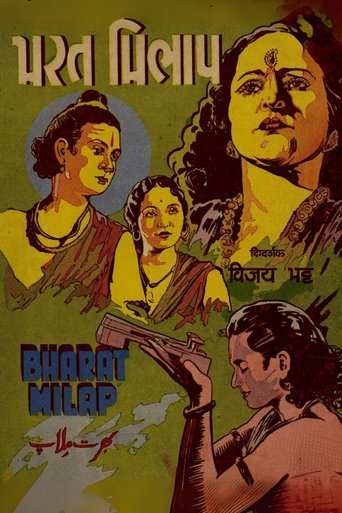
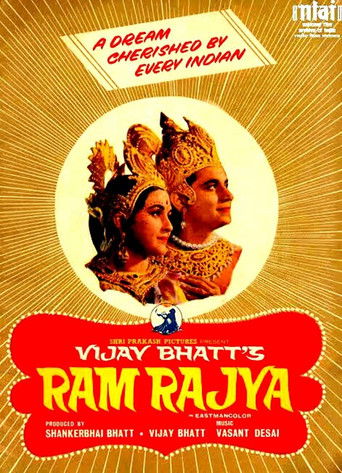
Shobhna Samarth is credited on a single production — Bharat Milap (1942). Born into a family with theatrical connections, she made her film debut and quickly became respected actresses of her time. Samarth was particularly renowned for her portrayal of Sita in mythological films, which became her signature roles and established her as a cultural icon. Her performances in 'Bharat Milap' (1942) and 'Ram Rajya' (1943) were and set new standards for mythological cinema in India. Beyond acting, she also ventured into film direction, becoming one of the early women directors in Indian cinema. Her several decades, during which she transitioned successfully from leading lady to character roles. Samarth's contribution to Indian cinema extended beyond her own performances, as she mentored her daughters who would become actresses in their own right.
The Craft
On Screen
Shobhna Samarth was known for her graceful and dignified acting style, particularly excelling in mythological and social dramas. Her performances were characterized by subtle expressions, emotional depth, and a commanding screen presence. She brought authenticity and devotion to her religious roles, making her portrayals of Sita particularly memorable. Her acting combined traditional Indian theatrical techniques with the emerging naturalistic style of early Indian cinema.
Milestones
- Breakthrough role in 'Bharat Milap' (1942)
- Iconic performance in 'Ram Rajya' (1943)
- Became one of the first women directors in Indian cinema
- Mentored daughters Nutan and Tanuja who became legendary actresses
- Successfully transitioned from leading lady to character roles
Best Known For
Iconic Roles
Must-See Films
Accolades
Won
- No major formal awards during her active period
- Recognized posthumously for her contributions to Indian cinema
Nominated
- Award ceremonies were not established during her peak career years
Special Recognition
- Recognized as a pioneer among women in Indian cinema
- Honored for her role in establishing the Samarth acting dynasty
Working Relationships
Worked Often With
Studios
Why They Matter
Impact on Culture
Shobhna Samarth had a profound cultural impact on Indian cinema, particularly in establishing the template for mythological films. Her portrayal of Sita became the benchmark for generations of actresses attempting similar roles. She helped legitimize mythological cinema as a serious art form and contributed to the preservation and popularization of Indian epics through film. Her success as a woman in a male-dominated industry paved the way for future generations of women in Indian cinema, both in front of and behind the camera.
Lasting Legacy
Shobhna Samarth's legacy extends far beyond her filmography. She is remembered as a figure who broke gender barriers by becoming one of India's first women directors. Her greatest legacy is perhaps the acting dynasty she established, with her daughters Nutan and Tanuja, and granddaughter Kajol, becoming some of Bollywood's most celebrated actresses. Her contributions to mythological cinema helped shape the genre's development and her performances continue to be referenced and studied by film scholars and actors.
Who They Inspired
Shobhna Samarth influenced generations of Indian actresses, particularly in how to approach mythological roles with dignity and authenticity. Her success as both an actress and director inspired many women to consider careers behind the camera in Indian cinema. Her family's continued success in Bollywood demonstrates the lasting influence of her artistic values and dedication to the craft of acting.
Off Screen
Shobhna Samarth was married to film producer Kumarsen Samarth, with whom she had four children. The couple later separated but maintained a professional relationship. She dedicated her life to cinema and raising her daughters, two of whom (Nutan and Tanuja) became legendary actresses in Indian cinema. Her family became.
Education
Educated in Bombay, came from a family with strong theatrical background
Family
- Kumarsen Samarth (1936-1950s)
Did You Know?
- She was the first actress to play Sita in multiple successful films
- Her film 'Ram Rajya' (1943) was reportedly watched by Mahatma Gandhi
- She became one of India's first women film directors with 'Hamari Beti' (1950)
- Her daughter Nutan won a record 5 Filmfare Awards for Best Actress
- Her granddaughter Kajol is one of Bollywood's most successful contemporary actresses
- She came from a family with strong connections to Marathi theater
- Her real name was Saroj Shilotri before she entered films
- She successfully transitioned from leading lady to mother roles in later career
- Her films were known for their strong women characters
- She maintained a dignified public image throughout her career
In Their Own Words
Cinema is not just entertainment, it's a medium to preserve our culture and values
Playing Sita was not just acting, it was a spiritual experience
I wanted to show that women could succeed both in front of and behind the camera
My greatest achievement is not my films, but my daughters who carry forward the legacy
Frequently Asked Questions
Who was Shobhna Samarth?
Indian actress and on YTB.my. She was also one of India's first women directors and the matriarch of the famous Samarth acting dynasty.
What films is Shobhna Samarth best known for?
Titles linked here include Bharat Milap (1942), Ram Rajya (1943).
When was Shobhna Samarth born and when did she die?
Born November 17, 1916; died February 9, 2000.
What awards did Shobhna Samarth win?
During her active career period, formal award ceremonies were not yet established in Indian cinema. However, she received posthumous recognition for her contributions to Indian cinema and for being one of the first women directors in the industry.
What was Shobhna Samarth's acting style?
Shobhna Samarth was known for her graceful and dignified acting style, characterized by subtle expressions and emotional depth. She excelled particularly in mythological roles, bringing authenticity and devotion to her portrayals of religious characters while combining traditional theatrical techniques with emerging naturalistic cinema styles.
How was Shobhna Samarth related to Nutan and Kajol?
Shobhna Samarth was the mother of legendary actress Nutan and grandmother of contemporary star Kajol. She also had another daughter Tanuja who was a prominent actress, making her the matriarch of one of Bollywood's most influential acting families spanning three generations.