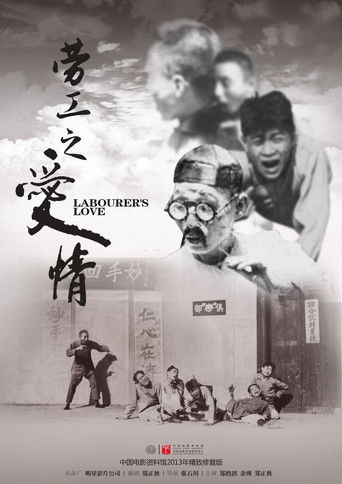
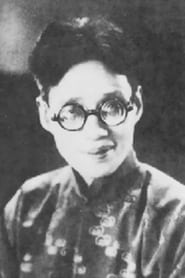
Zheng Zhengqiu
Actor & Director
Born: January 25, 1889 in Shanghai, China Died: July 16, 1935 Active: 1921-1935 Birth Name: Zheng Fangze
Films
2 films
About Zheng Zhengqiu
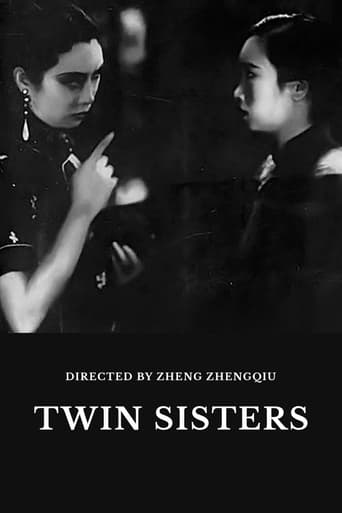
Zheng Zhengqiu (1889-1935) was a Chinese filmmaker who helped establish the foundation of Chinese cinema during the silent era and early sound period. Born in Shanghai, he began his career as a theater actor and playwright before transitioning to film, co-founding the influential Mingxing Film Company in 1922. Zheng directed China's first feature-length film 'Yan Ruisheng' in 1921, marking a milestone in Chinese cinematic history. Throughout his career, he created numerous socially conscious films that addressed contemporary issues facing Chinese society, particularly family dynamics and social injustice. His 1934 masterpiece 'Twin Sisters' showcased his mastery of both silent and sound film techniques, becoming successful Chinese films of the 1930s. Zheng was not only a director but also a prolific screenwriter and occasional actor, appearing in films like 'Romance of a Fruit Peddler' (1922). His work bridged traditional Chinese storytelling with modern cinematic techniques, helping create a distinctly Chinese cinematic language that would influence generations of filmmakers.
The Craft
On Screen
As an actor, Zheng Zhengqiu drew from his theatrical background, employing expressive gestures and emotive performances typical of the silent era. His acting style emphasized clear emotional communication through facial expressions and body language, making him effective in melodramatic roles. Though he appeared in fewer films than he directed, his performances were characterized by their naturalism and authenticity, helping set a standard for acting in early Chinese cinema.
Behind the Camera
Zheng Zhengqiu's directing style combined social realism with traditional Chinese storytelling values. He was known for his careful composition and use of close-ups to convey emotional depth, particularly in family dramas. His films often featured strong female protagonists and explored themes of modernity versus tradition, social injustice, and the struggles of ordinary people. Zheng was particularly skilled at creating emotionally resonant narratives that reflected the rapidly changing social landscape of early 20th century China, while maintaining accessibility for mass audiences.
Milestones
- Directed China's first feature film 'Yan Ruisheng' (1921)
- Co-founded Mingxing Film Company (1922)
- Created masterpiece 'Twin Sisters' (1934)
- Pioneered social realist themes in Chinese cinema
- Acted in 'Romance of a Fruit Peddler' (1922)
- Wrote over 30 screenplays
- Helped establish Shanghai as China's film capital
- Mentored numerous early Chinese filmmakers
Best Known For
Iconic Roles
Must-See Films
Accolades
Won
- Posthumous recognition as Founding Father of Chinese Cinema
- Lifetime Achievement Award from Chinese Film Association (honorary)
Nominated
- Multiple retrospective honors at international film festivals
Special Recognition
- Inducted into Chinese Film Hall of Fame
- Featured in permanent exhibitions at Shanghai Film Museum
- Multiple international retrospectives of his work
- Academic recognition in film studies programs worldwide
Working Relationships
Worked Often With
Studios
Why They Matter
Impact on Culture
Zheng Zhengqiu was instrumental in establishing the foundation of Chinese cinema and creating a cinematic language that was distinctly Chinese while incorporating international techniques. His films helped define the family melodrama genre in Chinese cinema and his exploration of social issues paved the way for future generations of Chinese filmmakers. During a period of tremendous social upheaval in China, his films provided both entertainment and social commentary, helping audiences navigate the challenges of modernization. His work during the critical transition from silent to sound films helped Chinese cinema successfully adapt to new technologies while maintaining cultural authenticity.
Lasting Legacy
Zheng Zhengqiu is remembered as.' His films, particularly 'Twin Sisters,' remain classics studied for their artistic merit and historical significance. He helped establish Shanghai as the center of Chinese cinema during the 1920s and 1930s, creating an infrastructure that would support Chinese filmmaking for decades. The Mingxing Film Company he co-founded produced over 200 films and trained countless filmmakers who would shape Chinese cinema. His influence can be seen in the work of later Chinese directors who continued to explore social themes and family dynamics, from the 1930s Left-wing movement to contemporary Fifth Generation directors.
Who They Inspired
Zheng Zhengqiu influenced generations of Chinese filmmakers through his approach to combining entertainment with social consciousness. Directors like Cai Chusheng, Sun Yu, and Fei Mu built upon his foundation of socially relevant cinema. His emphasis on family dynamics and social issues became recurring themes in Chinese cinema throughout the 20th century. Even contemporary Chinese directors continue to grapple with the tensions between tradition and modernity that Zheng so effectively explored in his films. His success in creating commercially viable films with artistic merit and social relevance established a model that many Chinese filmmakers have aspired to follow.
Off Screen
Zheng Zhengqiu came from a middle-class Shanghai family and received a traditional Chinese education before being exposed to Western ideas and cinema. He was married and had children who survived him. His personal experiences with the rapid social changes in early 20th century China heavily influenced his filmmaking, as he witnessed firsthand the conflicts between tradition and modernity. Despite his relatively short life, he maintained a reputation as a dedicated artist committed to using cinema as a tool for social enlightenment and cultural preservation.
Education
Traditional Chinese education in Shanghai, supplemented by self-study of Western literature and dramatic theory
Family
- Name not widely documented in historical records
Did You Know?
- He was originally a theater actor and playwright before entering cinema
- His real name was Zheng Fangze, but he used Zheng Zhengqiu as his professional name
- He co-wrote the screenplay for China's first feature film 'Yan Ruisheng'
- 'Twin Sisters' was
- He died relatively young at age 46, just a year after his masterpiece was released
- His films were among the first to address contemporary social issues in China
- He helped train many of China's early film actors and directors at Mingxing
- His work spanned the entire transition from silent to sound cinema
- He was also a film critic who wrote about cinema theory and practice
- The Mingxing Film Company he co-founded produced over 200 films before closing in 1937
- He was part of the first generation of Chinese filmmakers to study and incorporate Western cinematic techniques
- His films were popular not just in China but also in Chinese communities throughout Southeast Asia
In Their Own Words
Film should not only entertain but also educate and enlighten society
The camera is a window to the soul of our nation
We must tell our own stories in our own way
Cinema is the most powerful tool for social change in modern China
A good film should make people laugh, cry, and think
The future of Chinese cinema lies in blending our traditions with new techniques
Frequently Asked Questions
Who was Zheng Zhengqiu?
Chinese filmmaker, with credits in this catalog. He co-founded the influential Mingxing Film Company and directed China's first feature film, making him.
What films is Zheng Zhengqiu best known for?
Titles linked here include Twin Sisters (1934), Yan Ruisheng (1921).
When was Zheng Zhengqiu born and when did he die?
Born January 25, 1889; died July 16, 1935.
What awards did Zheng Zhengqiu win?
During his lifetime, formal film awards were not yet established in China. However, Zheng Zhengqiu received posthumous recognition as a Founding Father of Chinese Cinema and has been honored with lifetime achievement awards and retrospectives at international film festivals. His work is permanently featured in the Shanghai Film Museum and Chinese Film Hall of Fame.
What was Zheng Zhengqiu's directing style?
Zheng Zhengqiu's directing style combined social realism with traditional Chinese storytelling, focusing on family dramas and contemporary social issues. He was skilled at creating emotionally resonant narratives that reflected China's rapid modernization, often featuring strong female protagonists and exploring themes of tradition versus modernity.
How did Zheng Zhengqiu influence Chinese cinema?
Zheng Zhengqiu influenced Chinese cinema by establishing a model for socially relevant filmmaking that was both commercially successful and artistically significant. He co-founded Mingxing Film Company, trained numerous filmmakers, and created films that defined genres and themes that would persist in Chinese cinema for decades. His blend of entertainment with social commentary became a hallmark of quality Chinese cinema.
What was the Mingxing Film Company?
The Mingxing Film Company was a Chinese film studio co-founded by Zheng Zhengqiu in 1922. It became one of China's most important and prolific film studios during the 1920s and 1930s, producing over 200 films and training many of China's early filmmakers. The company was instrumental in establishing Shanghai as the center of Chinese cinema before closing in 1937 due to the Japanese invasion.
Why is 'Twin Sisters' considered important?
'Twin Sisters' (1934) is considered important because it represents the pinnacle of Zheng Zhengqiu's filmmaking and one of the greatest achievements of early Chinese cinema. The film successfully blended entertainment with social commentary, featured outstanding performances, and demonstrated mastery of both silent and sound film techniques. It was also a huge commercial success that helped define the direction of Chinese cinema in the 1930s.