Films
1 film
About Nobuko Fushimi
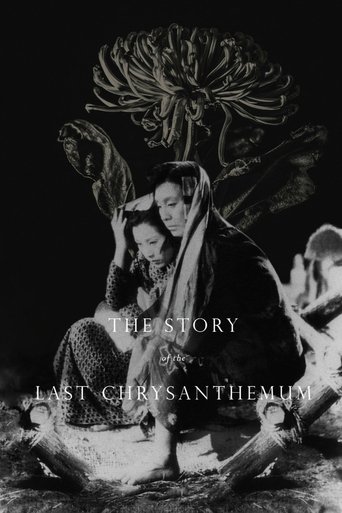
The 1939 film The Story of the Last Chrysanthemum is the only title linked here for Nobuko Fushimi. Her career, though brief, included a significant role in Kenji Mizoguchi's acclaimed 1939 film 'The Story of the Last Chrysanthemum,' which is now considered one of the masterpieces of Japanese cinema. Fushimi worked during a transformative period in Japanese film history, when the industry was transitioning from silent films to talkies and developing its distinctive cinematic language. Her performance in Mizoguchi's film demonstrated the emerging naturalistic acting style that would become characteristic of Japanese cinema in the following decades. Despite her talent and the critical success of her film work, Fushimi's acting career appears to have been limited to the year 1939, making her one of the many talented performers from this era whose contributions were significant but whose careers remained brief. Her work represents the important but often overlooked contributions of supporting actors who helped create the foundation of classic Japanese cinema.
The Craft
On Screen
Naturalistic style characteristic of the emerging Japanese cinema of the late 1930s, embodying the subtle emotional expressiveness that would become a hallmark of Japanese film acting
Milestones
- Appeared in Kenji Mizoguchi's 'The Story of the Last Chrysanthemum' (1939)
- Contributed to
Best Known For
Iconic Roles
Must-See Films
Working Relationships
Worked Often With
Why They Matter
Impact on Culture
Nobuko Fushimi's contribution to Japanese cinema, while brief, is part of the actors who helped establish Japan's film industry during its formative years. Her appearance in 'The Story of the Last Chrysanthemum' places her within the context of a film that was crucial in developing the cinematic language that would influence generations of Japanese filmmakers. The film itself is now recognized as a masterpiece that helped establish Kenji Mizoguchi's international reputation and contributed to the global recognition of Japanese cinema as an art form. Fushimi's work represents the collective effort of countless actors and crew members who, despite not achieving individual fame, were essential to creating enduring works of cinematic art.
Lasting Legacy
While Nobuko Fushimi did not achieve lasting fame as an individual performer, her legacy is preserved through her participation in one of Japanese cinema's most important films. 'The Story of the Last Chrysanthemum' continues to be studied and admired by film scholars and enthusiasts worldwide, ensuring that Fushimi's contribution to this masterpiece remains part of film history. Her story reflects the experience of many talented actors from classic cinema eras whose work survives primarily through their participation in significant films, even when their personal careers were brief.
Who They Inspired
As a supporting actor with a very brief career, Nobuko Fushimi's direct influence on subsequent generations of performers is difficult to trace. However, her participation in Mizoguchi's work contributed to the establishment of acting styles and cinematic techniques that would influence Japanese cinema for decades. The naturalistic approach to performance evident in 'The Story of the Last Chrysanthemum' became a hallmark of Japanese film acting, and Fushimi was part of this artistic evolution.
Off Screen
Very little information is available about Nobuko Fushimi's personal life, which is not uncommon for supporting actors from this period of Japanese cinema who had brief careers.
Did You Know?
- Appeared in only one known film during her entire career
- Worked with acclaimed director Kenji Mizoguchi during his most creative period
- Participated in what is now considered one of the greatest Japanese films of the 1930s
- Her film active years covered only the year 1939
- The Story of the Last Chrysanthemum was based on a play by Matsutarō Kawaguchi
- The film was released during a politically turbulent period in Japanese history, just before World War II
- Mizoguchi's film was praised for its innovative camera techniques and visual style
- The film's themes of artistic dedication and personal sacrifice were common in Mizoguchi's work
Frequently Asked Questions
Who was Nobuko Fushimi?
Japanese actress active in 1939, known primarily for her role in Kenji Mizoguchi's acclaimed film 'The Story of the Last Chrysanthemum.' Her career appears to have been brief, with this film being her only known screen credit.
What films is Nobuko Fushimi best known for?
Titles linked here include The Story of the Last Chrysanthemum (1939).
When was Nobuko Fushimi born and when did she die?
Unfortunately, specific birth and death dates for Nobuko Fushimi are not available in historical records, which is common for supporting actors from this era of Japanese cinema.
What awards did Nobuko Fushimi win?
There are no recorded awards or nominations for Nobuko Fushimi, which was typical for many supporting actors in Japanese cinema during the 1930s when formal award systems were less established.
What was Nobuko Fushimi's acting style?
Fushimi's acting style reflected the naturalistic approach emerging in Japanese cinema of the late 1930s, characterized by subtle emotional expression that complemented Kenji Mizoguchi's visual storytelling techniques.