
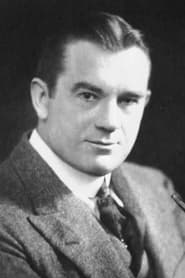
Lyn Harding
Actor
Born: October 7, 1888 in St. Thomas, Swansea, Wales Died: December 26, 1952 Active: 1912-1952 Birth Name: David Llewelyn Harding
Films
1 film
About Lyn Harding
Welsh character actor: both stage and screen for over four decades. Born David Llewelyn Harding, he began his career on the British stage before transitioning to films during the silent era. Harding developed a reputation for portraying authoritative figures, often playing villains, military officers, and aristocratic characters with commanding presence. His theatrical background provided him with a powerful voice and dramatic technique that served him well in both silent and sound films. Throughout his career, he appeared in numerous British productions and occasionally worked in Hollywood, becoming a familiar face in period dramas and adaptations of classic literature. Harding's versatility allowed him to continue working successfully through the transition from silent films to talkies, adapting his performance style to the new medium. His later years saw him in supporting roles in major British films, often bringing gravitas and authority to every character he portrayed.
The Craft
On Screen
Known for his commanding stage presence and powerful voice, Harding employed classical acting techniques with precise diction and dramatic gestures. His theatrical training gave him a distinctive, authoritative demeanor that made him particularly effective in roles requiring gravitas and intensity. He specialized in portraying antagonists and authority figures with a menacing yet sophisticated presence.
Milestones
- Stage debut in London's West End (1912)
- Transition to silent films in the 1920s
- Successful adaptation to sound films
- Numerous Shakespearean and classical roles
- Character actor in major British films of the 1930s-40s
Best Known For
Iconic Roles
Must-See Films
Accolades
Special Recognition
- Commander of the Order of the British Empire (CBE) for services to drama
Working Relationships
Worked Often With
Studios
Why They Matter
Impact on Culture
Lyn Harding contributed significantly to British cinema's golden age, particularly in the adaptation of literary works to film. His portrayals of classic literary villains helped establish archetypes that would influence subsequent generations of character actors. His work in Sherlock Holmes films helped solidify the visual and performance language of detective cinema, while his stage background brought theatrical legitimacy to early British films. Harding represented the successful transition from stage to screen that many actors of his generation navigated, serving as a model for theatrical performers entering the film industry.
Lasting Legacy
Lyn Harding's legacy endures through his memorable film performances and his influence on British character acting. His work in the Sherlock Holmes films of the 1930s remains frequently cited by film historians as exemplary of the period's approach to literary adaptation. Harding demonstrated how classical training could enhance film performances, bridging the gap between Victorian theatrical traditions and modern cinema. His career trajectory from Welsh stage actor to internationally recognized film actor exemplifies the opportunities available to talented performers during cinema's formative decades.
Who They Inspired
Harding influenced subsequent generations of British character actors through his technique of bringing theatrical gravitas to film roles without overwhelming the medium. His approach to playing villains with intelligence and sophistication rather than mere menace became a model for future performers. Many actors who worked with him cited his professionalism and preparation as inspiration for their own careers, particularly in the British film industry's studio system era.
Off Screen
Lyn Harding maintained a relatively private personal life despite his public career. He was known for his dedication to his craft and often immersed himself in character preparation. Harding was respected by colleagues for his professionalism and theatrical knowledge, frequently mentoring younger actors. His Welsh heritage remained important to him throughout his life, and he maintained connections to his home country.
Education
Trained at the Royal Academy of Dramatic Art (RADA), London
Family
- Margaret Harding (1915-1945, her death)
Did You Know?
- Changed his name from David Llewelyn Harding to Lyn Harding for stage purposes
- Was fluent in both Welsh and English
- Served in the British Army during World War I
- Appeared in over 100 films throughout his career
- Was particularly known for his deep, resonant voice which served him well in sound films
- Often played characters much older than his actual age
- Was a member of the Royal Shakespeare Company in its early years
- His final film appearance was posthumously released
- Was considered one of Britain's most reliable character actors of his era
- Had a successful parallel career in radio dramas
In Their Own Words
The stage is our temple, but film is our cathedral - both demand reverence.
A villain is never evil in his own mind; he is simply the hero of his own story.
Welsh blood runs hot, but an actor must keep it cool under the lights.
Frequently Asked Questions
Who was Lyn Harding?
Welsh character with credits in this catalog. Born David Llewelyn Harding, he was particularly known for his authoritative presence and memorable portrayals of villains and antagonists in classic films.
What films is Lyn Harding best known for?
Titles linked here include The Hound of the Baskervilles (1939), The Adventures of Sherlock Holmes (1939).
When was Lyn Harding born and when did he die?
Born October 7, 1888; died December 26, 1952.
What awards did Lyn Harding win?
While Lyn Harding did not receive major film awards during his career, he was honored with a Commander of the Order of the British Empire (CBE) for his significant contributions to British drama and cinema. His recognition came more from critical acclaim and audience appreciation than formal awards.
What was Lyn Harding's acting style?
Harding employed classical acting techniques with a commanding stage presence and powerful, precise diction honed through his theatrical training. He specialized in bringing gravitas and authority to his roles, particularly effective in portraying sophisticated villains and authoritative figures with a menacing yet refined demeanor.