Films
2 films
About Joyce Coad
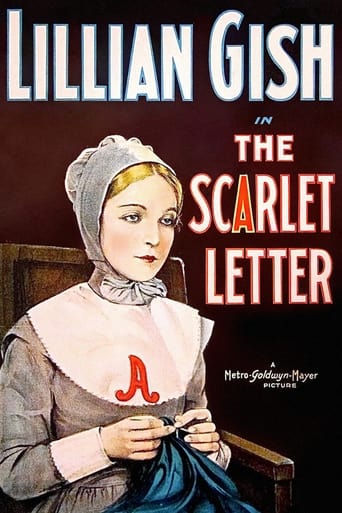
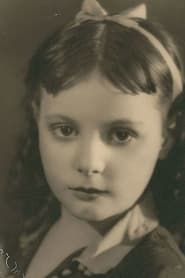
Child actress during the silent film era, best known for her portrayal of Pearl in the 1926 adaptation of Nathaniel Hawthorne's classic novel The Scarlet Letter. She was selected for this significant role opposite the Lillian Gish, who played Hester Prynne, in what would become acclaimed literary adaptations of the silent era. The film, directed by renowned Swedish director Victor Sjöström, was a major production for MGM and showcased young Coad's natural acting ability in the demanding role of the illegitimate child. Despite her impressive performance and the critical success of the film, Coad appears to have had no other documented film credits, suggesting her career in cinema was exceptionally brief. Her single notable performance occurred during the transition period between the silent era's peak and the advent of sound, making her representative of many child actors whose film careers were limited to specific productions. The role of Pearl required significant emotional range and screen presence, particularly in scenes depicting the child's complex relationship with her ostracized mother in the Puritan community.
The Craft
On Screen
As a child actress of the silent era, Coad demonstrated natural emotional expressiveness and the ability to convey complex character dynamics through facial expressions and body language, essential skills for silent film performers
Milestones
- Portrayed Pearl in The Scarlet Letter (1926) opposite Lillian Gish
- Worked with acclaimed director Victor Sjöström on a major MGM production
Best Known For
Iconic Roles
Must-See Films
Working Relationships
Worked Often With
Studios
Why They Matter
Impact on Culture
Joyce Coad's contribution to cinema, while limited to a single role, represents the important tradition of child actors in literary adaptations during the silent era. Her portrayal of Pearl in The Scarlet Letter helped bring Hawthorne's complex character to life during a period when literary adaptations were reaching new artistic heights in American cinema. The film itself is considered a masterpiece of silent cinema, and her performance, though brief in the scope of film history, is part of what makes this adaptation enduringly significant. Her work exemplifies how child performers were integral to the emotional core of many serious dramatic films of the 1920s.
Lasting Legacy
Joyce Coad's legacy is tied primarily to her role in what is considered one of the finest literary adaptations of the silent era. While she did not have an extensive film career, her performance as Pearl in The Scarlet Letter (1926) ensures her place in film history as part of a critically acclaimed production that continues to be studied by film scholars and enthusiasts. She represents the many child actors of the silent era who contributed significantly to important films but whose careers were often brief, leaving behind single memorable performances that have been preserved through cinema history.
Who They Inspired
Due to the brief nature of her career, Joyce Coad's direct influence on other actors or filmmakers appears to be minimal. However, her performance as Pearl contributes to the ongoing study of child acting techniques in silent cinema and serves as an example of how young performers could effectively convey complex emotional themes without dialogue. Her work in The Scarlet Letter continues to be viewed as part of the film's overall artistic achievement in bringing literary characters to the screen during a pivotal period in American cinema history.
Off Screen
Very little is documented about Joyce Coad's personal life beyond her brief film career. As a child actress active in the mid-1920s, she would have been approximately 11 years old when she appeared in The Scarlet Letter. The lack of subsequent film credits suggests she may have returned to a normal childhood after this single notable performance, which was not uncommon for child actors of the era, especially those who were not part of show business families.
Did You Know?
- Joyce Coad was approximately 11 years old when she played Pearl in The Scarlet Letter
- The Scarlet Letter (1926) was her only known film credit
- She worked with legendary Swedish director Victor Sjöström, who later influenced Ingmar Bergman
- The film was a major MGM production with a budget of over $500,000, significant for the time
- Her character Pearl was central to the story, appearing in numerous key scenes with Lillian Gish
- The film was shot on location in Catalina Island and at MGM studios
- Despite the film's critical success, Coad did not appear in any other movies
- Child actors in silent films often had very brief careers, returning to normal childhoods
- The role of Pearl required understanding complex themes of sin, guilt, and social ostracism
- The Scarlet Letter was one of the last major silent literary adaptations before the transition to sound
Frequently Asked Questions
Who was Joyce Coad?
Child actress from the silent film era, best known for her role as Pearl in the 1926 MGM adaptation of The Scarlet Letter opposite Lillian Gish. Her film career appears to have been limited to this single notable performance.
What films is Joyce Coad best known for?
Titles linked here include The Scarlet Letter (1926).
When was Joyce Coad born and when did she die?
Born 1915; died death date not listed.
What awards did Joyce Coad win?
There are no documented awards or nominations for Joyce Coad's performance, which was typical for many child actors of the silent era despite their contributions to major productions.
What was Joyce Coad's acting style?
As a silent film child actress, Coad relied on natural expressiveness and emotional conveyance through facial expressions and body language, essential skills for non-verbal storytelling in the medium.
Did Joyce Coad continue acting after The Scarlet Letter?
No documented evidence suggests Joyce Coad continued her acting career after The Scarlet Letter (1926). This was not uncommon for child actors of the era, who often returned to normal lives after single performances.