Thomas Bentley
Director
- Born
- May 26, 1880, Doncaster, England, United Kingdom
- Died
- January 27, 1968
- Active
- 1913-1949
Films directed 1
About Thomas Bentley
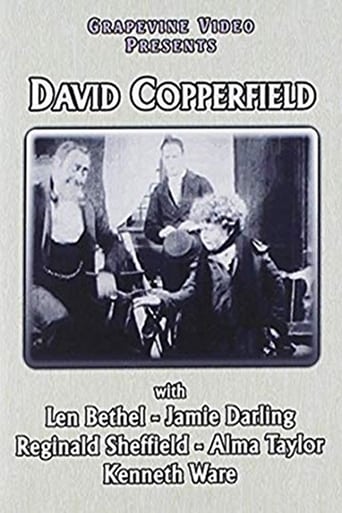
Thomas Bentley was an English film director, screenwriter, and producer whose career bridged the silent era and the coming of sound, making him one of the sturdier craftsmen of early British cinema. He was active from the 1910s through the 1940s and became especially associated with literary adaptations, historical subjects, and popular entertainments designed for wide audiences. Bentley is often remembered today for bringing a practical, narrative-driven approach to screen storytelling at a time when British film production was still defining its identity against the dominance of imported American pictures. Although some early filmographies credit him as director of an adaptation of David Copperfield in 1913, the broader record of his career shows that he went on to direct many more features and shorts over subsequent decades, establishing a far more substantial body of work than that single title suggests. He was part of the generation that helped professionalize British filmmaking, working in an industry that moved from short one-reel productions to longer feature films and then into synchronized sound. Bentley’s work reflects the values of classic studio-era craftsmanship: clear narrative construction, economical staging, and an emphasis on recognizable stories that could appeal to mainstream audiences. His films also helped preserve a place for classic literature and historical drama on the British screen during a period of rapid industrial and aesthetic change.
More about Thomas Bentley
Behind the camera
Bentley’s directing style was typically conservative, lucid, and heavily narrative-oriented, emphasizing clarity over visual experimentation. He favored straightforward dramatic construction, readable staging, and faithful or audience-friendly adaptations of known material, especially literature and historical subjects. In the silent era, this often meant careful attention to intertitle structure, pantomime-friendly scene design, and a brisk progression of story beats. His work suggests a craftsman’s sensibility rather than an avant-garde one, aiming to make complex stories accessible to mass audiences. As British cinema evolved, Bentley remained associated with practical professionalism and dependable screen storytelling rather than flamboyant personal style.
In film history
Thomas Bentley’s cultural impact lies in his contribution to the formation of a distinctly British screen tradition, especially in the adaptation of canonical literature and commercially appealing drama. At a time when the British industry was searching for sustainable models of production, his films demonstrated that familiar novels, stage properties, and historical tales could be translated into cinema with broad public appeal. This helped reinforce the idea that film could serve not only as novelty entertainment but also as a respectable vehicle for national culture. His work belongs to the foundation of the British feature film movement and illustrates how silent-era directors balanced artistic ambition with the demands of popular entertainment. Bentley’s career also shows the continuity between silent and early sound filmmaking in Britain, where experienced directors were needed to stabilize production during technological transition.
Later reputation
Bentley’s legacy is that of a reliable and historically important craftsman whose work helped shape early British cinema’s commercial and narrative identity. While he is not always as internationally famous as some contemporaries, his filmography documents a long engagement with the major storytelling forms of his era: literary adaptation, period drama, melodrama, and popular theatrical material. For historians, he is valuable as an example of the working director who sustained an industry through changing technology and audience expectations. His career also reminds modern viewers that silent-era and early sound filmmaking in Britain was built not only by a handful of celebrated auteurs but by practical professionals whose output kept studios functioning and audiences returning. Surviving references to his work continue to support research into the development of British screen adaptation and early feature production.
Influence
Bentley influenced later British filmmakers primarily through example rather than through a strongly individualized school or movement. His adaptations helped establish a pattern in which literary prestige and mass-market accessibility could coexist on the screen, a formula that would remain important in British cinema for decades. Directors working in studio systems could look to his career as evidence that disciplined craftsmanship and flexibility were essential qualities during the transition from silent to sound film. He also contributed indirectly to the survival of classic stage and literary material in film culture, influencing how such works would be approached by later adaptation specialists. His significance is therefore structural and historical: he helped normalize the idea of the screen director as a practical interpreter of national stories.
Off screen
Available biographical information on Thomas Bentley’s private life is limited in standard film references, and he is remembered far more for his professional output than for a publicly documented personal biography. He was part of the generation of British filmmakers whose careers were often shaped by studio work, literary adaptation, and production demands rather than celebrity culture. No widely cited record of major scandals or highly publicized domestic life is commonly associated with him in classic film histories. Because of the scarcity of detailed personal documentation, much of his legacy rests on the films he directed and the role he played in early British screen production.
Education
Specific formal education details are not widely documented in standard film references.
Credits
- Began directing in the silent era and became a prolific British filmmaker across several decades.
- Built a strong reputation for adapting major literary works and familiar popular narratives for the screen.
- Worked through the transition from silent films to sound films, a difficult period in British cinema history.
- Contributed to the development of mainstream British feature filmmaking through efficient, story-centered direction.
- Directed a number of historically important adaptations and period films that reflected early twentieth-century audience tastes.
- Maintained a long career that extended well beyond the 1913 David Copperfield credit often associated with his early filmography.
Films
- David Copperfield (1913)
- The Highwayman (1915)
- The Manxman (1916)
- The Bells (1926)
- Murder! (1928)
- The Middle Watch (1930)
- The Flag Lieutenant (1932)
- The Mystery of the Mary Celeste (1935)
Collaborators
- Henry Edwards
- Stewart Rome
- Mabel Poulton
- Alma Taylor
- Ian Hunter
- Miles Malleson
Studios
- Hepworth Picture Plays
- British Lion
- Woolf and Freedman associated productions
- British International Pictures
Notes
- Thomas Bentley is often associated with early British literary adaptations, a major niche in silent-era filmmaking.
- He worked across both silent and sound eras, which was a significant professional advantage in a period of rapid technological change.
- The 1913 David Copperfield credit attached to his name reflects an early phase of a much longer career.
- Bentley was one of many British directors whose reputations were built more on steady craftsmanship than on international celebrity.
- His career helps illustrate how British studios used familiar novels and stage works to attract audiences.
- He directed several films with historical or nautical themes, including popular entertainment properties.
- Although not a household name today, he was part of the professional core of early British film production.
- His filmography shows the importance of adaptable directors who could work efficiently in changing industrial conditions.
Questions
Who was Thomas Bentley?
Thomas Bentley was a British film director, screenwriter, and producer active from the silent era into the early sound period. He is best remembered for directing literary adaptations, historical dramas, and popular British features that helped shape early national cinema.
What films is Thomas Bentley best known for?
He is associated with early and later British films such as David Copperfield, The Highwayman, The Manxman, The Bells, Murder!, The Middle Watch, The Flag Lieutenant, and The Mystery of the Mary Celeste. His reputation rests especially on adaptations and commercially appealing dramatic subjects.
When was Thomas Bentley born and when did he die?
Thomas Bentley was born on May 26, 1880, in Doncaster, England, United Kingdom. He died on January 27, 1968, closing a career that stretched across the silent era and into the sound era.
What awards did Thomas Bentley win?
No major awards or nominations are widely documented for Thomas Bentley in standard classic-film references. His recognition is primarily historical, based on his contributions to early British filmmaking rather than on formal award honors.
What was Thomas Bentley's directing style?
Bentley’s directing style was practical, clear, and strongly focused on narrative clarity. He was especially suited to adaptations and period dramas, favoring accessible storytelling, solid staging, and dependable craftsmanship over visual showmanship.
What is Thomas Bentley’s legacy in film history?
His legacy lies in his role as a dependable craftsman who helped build early British feature filmmaking. He contributed to the tradition of adapting literature and stage material for the screen and helped carry British cinema through the transition from silent films to talkies.