Robert Milton
Director
Born: January 20, 1885 in Dinaburg, Russian Empire (now Daugavpils, Latvia) Died: January 13, 1956 Active: 1912-1940 (Theater and Film) Birth Name: Robert David Milton
Films
2 films
About Robert Milton
Stage and film director who transitioned from a highly successful career on Broadway to the early sound era of Hollywood. Born in Dinaburg, Russian Empire (now Daugavpils, Latvia), he emigrated to the United States and became a pivotal figure in the New York theater scene during the 1910s and 1920s, directing over 20 major Broadway productions including 'The Charm School' and 'He Who Gets Slapped'. His reputation for handling sophisticated, dialogue-heavy material made him an ideal candidate for Hollywood during the transition to 'talkies,' leading to his recruitment by Paramount and Warner Bros. In 1930, he directed the landmark supernatural drama 'Outward Bound,' which was praised for its atmospheric tension and faithful adaptation of the stage play. Despite his technical proficiency and ability to elicit nuanced performances from actors like Leslie Howard and Douglas Fairbanks Jr., Milton's cinematic output remained relatively small as he preferred the creative control of the live theater. He eventually returned to his roots in stage direction and pedagogy, leaving behind a brief but influential filmography that bridged the gap between theatrical art and early sound cinema.
The Craft
Behind the Camera
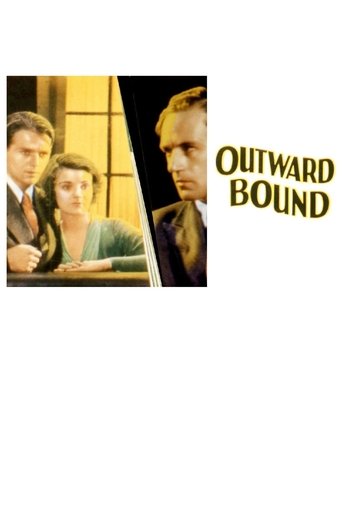
Milton was known for a meticulous, stage-influenced directing style that prioritized character psychology and precise dialogue delivery over cinematic spectacle. His approach was deeply rooted in the Stanislavski-adjacent traditions of the early 20th-century theater, emphasizing the 'inner life' of the performer. In his film work, he utilized long takes and carefully blocked movements to maintain the narrative flow of the original plays he adapted. He was particularly adept at creating a sense of claustrophobia and metaphysical dread, as seen in the ethereal staging of 'Outward Bound,' where he used lighting and silence to enhance the supernatural themes.
Milestones
- Directed the Broadway premiere of 'The Charm School' (1920)
- Helmed the prestigious Theatre Guild production of 'He Who Gets Slapped' (1922)
- Directed the critically acclaimed film adaptation of 'Outward Bound' (1930)
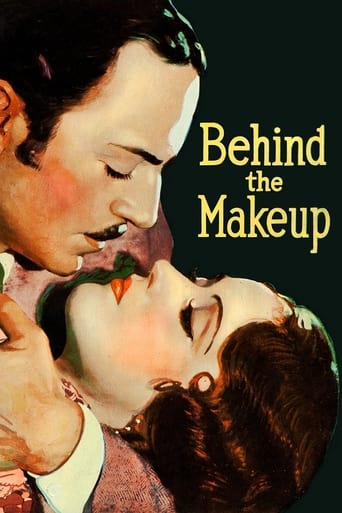
- Co-directed 'Behind the Make-Up' (1930) for Paramount Pictures
- Established himself as a leading 'actor's director' during the transition to sound
- Served as a prominent faculty member and director at the American Academy of Dramatic Arts
Best Known For
Must-See Films
Accolades
Won
- Honorary recognition for contributions to the American Academy of Dramatic Arts
Special Recognition
- Recognized as one of the premier stage directors of the 1920s by the New York Drama League
Working Relationships
Worked Often With
Studios
Why They Matter
Impact on Culture
Robert Milton played a significant role in the 'theatricalization' of early sound cinema. At a time when Hollywood was struggling to adapt to the microphone, Milton brought a sophisticated understanding of spoken performance that helped elevate the medium beyond mere novelty. His film 'Outward Bound' is cited by film historians as. He helped bridge the gap between the elite world of the New York stage and the mass market of the Hollywood studio system.
Lasting Legacy
Milton's legacy lies in his dual contribution to the American stage and the early talkie era. While his filmography is concise, 'Outward Bound' remains a cult classic of early 1930s cinema, noted for its philosophical depth and haunting atmosphere. He is remembered in the theater world excelled in the 'well-made play' and as an educator who insisted on the highest standards of elocution and emotional honesty. His work paved the way for other stage directors like George Cukor to find success in the film industry.
Who They Inspired
He influenced the way early sound films were blocked and performed, moving away from the exaggerated gestures of the silent era toward a more naturalistic, dialogue-driven realism. His ability to coach silent film stars into the sound era was highly valued by studio heads.
Off Screen
Robert Milton was known to be a private individual who dedicated the majority of his life to the craft of acting and directing. He was deeply involved in the New York social circles of the 'Roaring Twenties' and was a contemporary of many theatrical legends. After his stint in Hollywood, he focused heavily on education, helping to shape the next generation of American actors through his work at various dramatic institutions. He remained a bachelor for much of his life, focusing his energies on the preservation of theatrical standards.
Education
Studied theater and arts in Europe before emigrating to the United States; received advanced training in classical stagecraft.
Did You Know?
- He was one of the first directors to successfully transition a full Broadway cast to the screen for 'Outward Bound'.
- Milton was born in the same region as many other famous Jewish-Russian emigres who shaped the American arts.
- He was known for his 'Continental' manners and sophisticated temperament on set.
- Despite his success in Hollywood, he famously remarked that the camera could never capture the 'soul' of a live audience.
- He was a key figure in the early years of the Theatre Guild, which revolutionized American drama.
- His film 'Behind the Make-Up' is considered an important early 'backstage' drama of the sound era.
In Their Own Words
The microphone is a jealous master; it demands the truth of the voice just as the camera demands the truth of the eye.
In the theater, we create a world; in the cinema, we record a dream.
Frequently Asked Questions
Who was Robert Milton?
Prominent Russian-born American stage and on YTB.my. He is best known for his work on Broadway and for directing several significant early sound films in the early 1930s.
What films is Robert Milton best known for?
Titles linked here include Outward Bound (1930), Behind the Make-Up (1930).
When was Robert Milton born and when did he die?
Born January 20, 1885; died January 13, 1956.
What was Robert Milton's directing style?
His style was characterized by a deep focus on theatrical realism, sophisticated dialogue, and character-driven narratives. He brought a high level of stage-trained discipline to the early Hollywood sound stages.
Did Robert Milton win any Academy Awards?
While he did not win an Academy Award, his film 'Outward Bound' was highly regarded by critics of the era and is considered a milestone in the transition from stage to screen.
What was Robert Milton's contribution to theater?
Before Hollywood, Milton — titan of Broadway, directing dozens of plays and working with the prestigious Theatre Guild to bring modern, intellectual drama to American audiences.