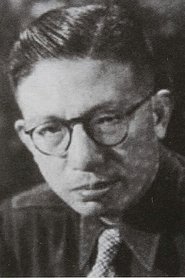
Yonggang Wu
Director
Born: 1907 in Shanghai, China Died: December 18, 1982 Active: 1930s-1980s (peak period 1934-1936) Birth Name: Wu Yonggang (吴永刚)
Films
2 films

About Yonggang Wu
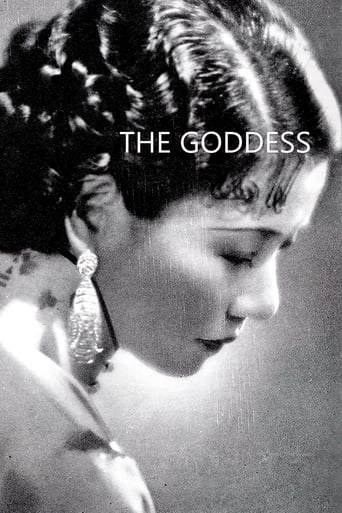
Yonggang Wu (also known as Wu Yonggang) was a Chinese film director who emerged during the golden age of Chinese cinema in the 1930s. He began his career in the film industry as an actor and assistant director before transitioning to directing, where he quickly established himself excelled in social realist cinema. His most celebrated work, 'The Goddess' (1934), starring the Ruan Lingyu, is considered one of the greatest films in Chinese cinema history, showcasing his innovative visual storytelling and deep empathy for marginalized characters. Wu's directing style was characterized by its sophisticated use of light and shadow, influenced by German Expressionism, combined with a distinctly Chinese aesthetic and social consciousness. During his brief but brilliant peak period from 1934-1936, he directed several significant films that addressed social issues and the plight of women in traditional Chinese society. His career was interrupted by the Second Sino-Japanese War, after which he continued to make films but never again reached the artistic heights of his early masterpieces. Wu's work represents a crucial bridge between silent cinema and early sound films in China, and his influence can be seen in generations of Chinese filmmakers who followed.
The Craft
Behind the Camera
Wu Yonggang's directing style was characterized by sophisticated visual storytelling influenced by German Expressionism, masterful use of light and shadow to create emotional depth, and a strong social consciousness that focused on the struggles of marginalized people in Chinese society. His films often featured strong female protagonists and addressed social injustices, combining artistic innovation with compelling human drama. He was particularly adept at creating atmospheric scenes that conveyed complex emotions through visual means rather than relying solely on dialogue.
Milestones
- Directed 'The Goddess' (1934), considered a masterpiece of Chinese cinema
- Directed 'Soaring Aspirations' (1936)
- Pioneered social realist filmmaking in China
- Collaborated with legendary actress Ruan Lingyu
- Helped establish the visual language of modern Chinese cinema
Best Known For
Must-See Films
Accolades
Won
- Honored as one of the greatest Chinese directors of all time by Chinese Film Association
Nominated
- The Goddess was selected for preservation in the Chinese Film Archive
Special Recognition
- Recognized as a figure in Chinese cinema history
- The Goddess regularly featured in lists of greatest Chinese films ever made
- Posthumously celebrated in Chinese film retrospectives worldwide
Working Relationships
Worked Often With
Studios
Why They Matter
Impact on Culture
Wu Yonggang's work, particularly 'The Goddess,' had a profound impact on Chinese cinema and culture, establishing new standards for artistic expression and social commentary in film. His films brought attention to the plight of women and the working class in 1930s China, using cinema as a medium for social critique and human empathy. The visual techniques he pioneered influenced the aesthetic development of Chinese cinema for decades, and his focus on socially relevant themes helped establish cinema as a serious art form capable of addressing important social issues. His work continues to be studied and celebrated by film scholars and is regularly featured in retrospectives of classic Chinese cinema around the world.
Lasting Legacy
Wu Yonggang's legacy endures through his masterpiece 'The Goddess,' which remains. His innovative visual style and socially conscious storytelling helped establish the foundation for modern Chinese cinema, and his work represents a crucial period in the development of Chinese film art. Despite the brevity of his peak creative period, his influence on subsequent generations of Chinese filmmakers has been significant, and his films continue to be recognized for their artistic merit and historical importance.
Who They Inspired
Wu Yonggang influenced Chinese cinema through his sophisticated visual techniques, his commitment to social realism, and his ability to blend artistic innovation with popular appeal. His work with light and shadow, influenced by German Expressionism but adapted to Chinese contexts, created a visual language that many subsequent Chinese directors would emulate. His focus on strong female characters and social issues helped establish a tradition of socially engaged filmmaking in China, and his collaboration with Ruan Lingyu created one of cinema's most memorable director-actor partnerships. Contemporary Chinese directors including Zhang Yimou and Chen Kaige have acknowledged the influence of early masters like Wu on their work.
Off Screen
Wu Yonggang lived through tumultuous periods in Chinese history, including the Republican era, the Second Sino-Japanese War, and the founding of the People's Republic of China. His work was often shaped by the social and political upheavals of his time, and he managed to continue working as a filmmaker through different political regimes. Despite facing various challenges and restrictions, particularly during the Cultural Revolution, he remained committed to his artistic vision and continued to contribute to Chinese cinema until his death in 1982.
Education
Studied film techniques through practical experience in the early Chinese film industry
Family
- Information not widely documented in available sources
Did You Know?
- 'The Goddess' was considered lost for decades before being rediscovered and restored
- Ruan Lingyu's performance in 'The Goddess' is considered one of the greatest screen performances in cinema history
- The film's title refers to the protagonist's status as a prostitute, ironically calling her a 'goddess' to highlight society's hypocrisy
- Wu Yonggang worked as an actor and assistant director before becoming a director
- His active years covered from the silent era through the early years of the People's Republic of China
- Despite his early success, his later career was hampered by political upheavals in China
- The Goddess was made during a particularly creative period in Shanghai cinema known as the 'Golden Age'
- The film's social commentary was considered bold and controversial for its time
- Wu's visual style was heavily influenced by his study of international cinema, particularly German and Soviet films
- The Goddess has been preserved and restored by the China Film Archive
In Their Own Words
On filmmaking: 'Cinema should not only entertain but also enlighten society and reflect the truth of human experience'
On The Goddess: 'I wanted to show the dignity of a woman who society had degraded, to find the goddess within the prostitute'
On his artistic philosophy: 'The camera must have a conscience; it must see not just with light, but with understanding'
Frequently Asked Questions
Who was Wu Yonggang?
Wu Yonggang was a Chinese film director active in the 1930s, best known for his masterpiece 'The Goddess' (1934). He was a key figure in the golden age of Chinese cinema, known for his sophisticated visual style and socially conscious storytelling that addressed the struggles of marginalized people in Chinese society.
What films is Wu Yonggang best known for?
Titles linked here include The Goddess (1934), Soaring Aspirations (1936).
When was Wu Yonggang born and when did he die?
Born 1907; died December 18, 1982.
What was Wu Yonggang's directing style?
Wu Yonggang's directing style combined sophisticated visual techniques influenced by German Expressionism with a distinctly Chinese aesthetic. He was known for his masterful use of light and shadow, atmospheric storytelling, and focus on social issues, particularly the struggles of women and the working class in 1930s China.
What impact did 'The Goddess' have on Chinese cinema?
'The Goddess' had a profound impact on Chinese cinema, establishing new standards for artistic expression and social commentary. The film's sophisticated visual style, powerful storytelling, and social consciousness influenced generations of Chinese filmmakers and remains.