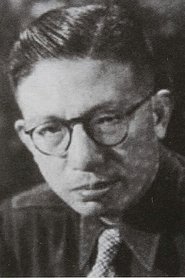

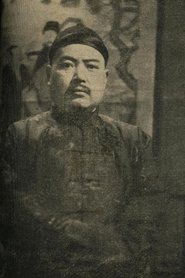
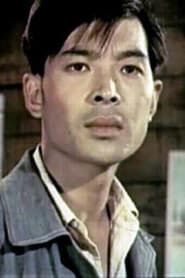
The Goddess
"A mother's love against a cruel world."
Keys: Space play/pause · ←/→ 10s · F fullscreen · M mute · </> speed
About this film
Ruan Lingyu plays an unnamed Shanghai mother who works as a prostitute at night to pay for her young son's schooling. A brutal gambler called the Boss forces himself into her life, steals her earnings, and tracks her down whenever she tries to escape. When school prejudice threatens the boy's future and the Boss gambles away her secret savings, she kills him in a rage and is sentenced to twelve years in prison. Wu Yonggang's silent Lianhua drama ends with a school principal offering to adopt and educate her son while she remains behind bars, imagining the better life she bought for him.
Cast & crew
More films like this

More Drama films
View all →







More from Yonggang Wu
View all →
More about this film
About the production
Release dateOctober 9, 1934
Box officeBox office figures not documented for 1934 Chinese releases
ProductionLianhua Film Company (United Photoplay Service)
Filmed inShanghai, China
Filmed during the golden age of Chinese cinema, The Goddess was produced at Lianhua's studios in Shanghai. The film was shot on location in the city's streets and back alleys to capture the authentic urban environment. Director Wu Yonggang employed innovative camera techniques including close-ups and tracking shots that were advanced for Chinese cinema of the period. The production faced censorship challenges due to its controversial subject matter but was ultimately approved with minor cuts.
Themes
Maternal sacrifice and unconditional loveSocial hypocrisy and moral double standardsUrban alienation and the dehumanizing effects of povertyFemale agency in patriarchal societyThe conflict between economic necessity and moral values
Themes & topics
prostitutionsingle mothersocial injusticeurban povertypimpsacrificeShanghai1930s Chinamelodramasocial realismsilent filmtragedymaternal loveexploitationmoral ambiguity
Historical background
By 1934, sound cinema, wartime mobilization, and changing censorship norms were reshaping what audiences expected from narrative features. Archival sources describe The Goddess as 1934 chinese silent film directed by wu yonggang. Contemporary context can be traced through sources such as the Wikipedia article on The Goddess (1934 film).
Why this film matters
The Goddess remains part of the screen heritage of its era, offering evidence of prevailing genres, production methods, and audience tastes. Later revivals, archive screenings, and digitization have kept such titles accessible to researchers and dedicated viewers long after their first commercial runs.
Making of
The making of The Goddess was marked by intense dedication from its cast and crew. Ruan Lingyu reportedly lived in character during the shoot, often remaining in costume between takes to maintain emotional continuity. Director Wu Yonggang, despite his youth, demonstrated remarkable sophistication in his approach, insisting on multiple takes to achieve the precise emotional tone he wanted. The production faced challenges from government censors who objected to the film's sympathetic portrayal of a prostitute, requiring the filmmakers to emphasize the protagonist's maternal qualities rather than her profession. The film's urban locations were shot guerrilla-style in actual Shanghai neighborhoods, sometimes without permits, to capture authentic street life. The lighting techniques employed were particularly innovative for Chinese cinema, using chiaroscuro effects to highlight the protagonist's isolation and the moral ambiguity of her world.
What critics said
Later reference works note acclaim for The Goddess, though detailed contemporary review files may be incomplete. Modern assessment tends to emphasize historical value, craft, and cultural context rather than box-office performance.
Did you know?
- The film's Chinese title 'Shén Nǚ' literally translates to 'Goddess' or 'Divine Woman,' highlighting the protagonist's maternal divinity despite her profession
- Ruan Lingyu's performance in this film is considered her absolute masterpiece and one of the greatest performances in Chinese cinema history
- The film was released just months before Ruan Lingyu's suicide on March 8, 1935, at age 24, which made the film tragically prophetic
- The Goddess was one of the first Chinese films to extensively use close-ups to convey emotional depth and psychological states
- Director Wu Yonggang was only 26 years old when he made this film, his directorial debut
- The film was thought lost for decades but was rediscovered and restored in the 1980s
- The pimp character was played by Zhang Zhizhi, who was actually a trained opera actor making his film debut
- The film's intertitles were written by Cai Chusheng, another prominent director of the era
- The Goddess was selected for preservation in the United States National Film Registry in 2021
- The film's child actor was never officially credited, adding to the mystery surrounding the production
Awards & recognition
- Selected for preservation in the U.S. National Film Registry (2021)
- Voted one of the 100 greatest Chinese films of the 20th century by Hong Kong Film Awards (2005)
- Honored at the 1995 Cannes Film Festival Classic Chinese Cinema retrospective
Visual style
The cinematography by Wong Gwong-hing was revolutionary for its time, employing techniques rarely seen in Chinese cinema of the 1930s. The film makes extensive use of dramatic lighting, particularly chiaroscuro effects that visually represent the protagonist's moral ambiguity and emotional isolation. Wong utilized deep focus photography to create layered compositions, often placing the mother and child in the foreground while the threatening urban environment looms behind them. The camera work includes innovative tracking shots that follow the protagonist through Shanghai's narrow alleys, creating a sense of entrapment and claustrophobia. Close-ups are used strategically to capture subtle emotional nuances, particularly in Ruan Lingyu's performance, with shots held longer than was typical for the period to allow emotional depth to develop. The film's visual language draws from both German Expressionism and Soviet montage theory while maintaining a distinctly Chinese aesthetic sensibility.
Innovations
The Goddess represented several technical breakthroughs for Chinese cinema. The film pioneered the use of location shooting in urban environments, capturing authentic Shanghai street scenes rather than relying entirely on studio sets. The lighting techniques employed were particularly advanced, using multiple light sources to create depth and atmosphere that was rare in Chinese productions of the era. The film's editing rhythm was innovative for its time, using cross-cutting and montage sequences to build emotional tension and thematic connections. The production also experimented with camera movement, including tracking shots that followed characters through spaces, creating a sense of immersion and psychological perspective. The film's preservation and restoration in the 1980s also represented an achievement in film conservation, saving a crucial piece of Chinese cinematic heritage from deterioration.
Music
As a silent film, The Goddess originally featured live musical accompaniment during theatrical screenings, typically performed by theater orchestras using a combination of Western and Chinese instruments. The original score has not survived, but contemporary reconstructions based on typical practices of the era suggest it would have featured popular Chinese songs of the period, classical Western pieces, and original mood music. Modern screenings and home video releases feature newly composed scores by various composers, most notably a 2004 score by Chinese composer Lei Liang that combines traditional Chinese instruments with Western orchestral elements. The film's sound design, while limited by silent film technology, was enhanced by careful attention to visual rhythms and pacing that would have complemented musical accompaniment. The absence of dialogue actually strengthens the film's universal appeal, allowing the visual storytelling and emotional performances to transcend language barriers.
Famous quotes
I may be a prostitute at night, but I am a mother during the day.
A child's future is worth any sacrifice.
In this world, a woman's body is never truly her own.
They call me a goddess, yet they treat me like dirt.
My son will have a better life, even if I must sell my soul to give it to him.
Memorable scenes
- The opening sequence where the mother returns home late at night, carefully removing her makeup and transforming from prostitute to devoted mother before her sleeping child
- The heartbreaking scene where she desperately tries to hide money from the pimp while her son watches, unaware of the moral compromise she's making for his sake
- The climactic confrontation with the pimp, filmed with dramatic shadows and frantic camera movement that captures her desperate rage
- The final prison scene where she maintains her dignity despite her circumstances, looking toward an imagined future for her son
- The montage sequence showing her nighttime work contrasted with daytime moments of maternal care, visually representing her dual existence
What audiences thought
The Goddess was moderately successful with Chinese audiences upon its release, though it faced competition from more conventional entertainments. The film's tragic tone and social themes resonated particularly with urban audiences who recognized the authenticity of its Shanghai setting. Following Ruan Lingyu's suicide, public interest in the film surged dramatically, with theaters reporting increased attendance as audiences sought to see her final great performance. In subsequent decades, the film developed a cult following among cinema enthusiasts and scholars. Modern audiences at revival screenings and film festival retrospectives have responded emotionally to the film's power, with many noting how contemporary its themes feel despite its age. The film's availability on streaming platforms has introduced it to new global audiences, who often express surprise at its technical sophistication and emotional depth.
Film connections
Influenced by
- German Expressionist cinema (for lighting and visual style)
- Soviet montage theory (for editing techniques)
- Hollywood melodramas of the 1930s
- Chinese literary traditions of the 'fallen woman' narrative
- Social realist movements in international cinema
- Contemporary Chinese literature addressing urban poverty
This film influenced
- Spring in a Small Town (1948)
- The Street Angel (1937)
- New Year's Sacrifice (1956)
- The Blue Kite (1993)
- Beijing Bicycle (2001)
- Still Life (2006)
- A Touch of Sin (2013)
- Angels Wear White (2017)
Film restoration
The Goddess was believed lost for many years but was rediscovered in the 1980s in a Chinese film archive. The film has undergone restoration by the China Film Archive and international preservation organizations. A restored version was completed in the 1990s, and further digital restoration was undertaken in the 2010s. The film is now preserved in several archives worldwide, including the China Film Archive, the Library of Congress, and the British Film Institute. While some scenes may still be incomplete, the majority of the film survives in watchable condition. The film was selected for preservation in the United States National Film Registry in 2021, ensuring its continued preservation and accessibility.
Where to watch
- The Criterion Channel (streaming)
- YouTube (official uploads from film archives)
- Kanopy (with library membership)
- MUBI (occasional programming)
- Film archives and museums with screening programs
- DVD/Blu-ray releases from Criterion Collection and other specialty distributors
- Educational film databases and university collections
- Chinese streaming platforms with classic film sections