
Ruan Lingyu
Actor
Born: April 26, 1910 in Shanghai, China Died: March 8, 1935 Active: 1927-1935 Birth Name: Ruan Fenggen
Films
3 films
About Ruan Lingyu
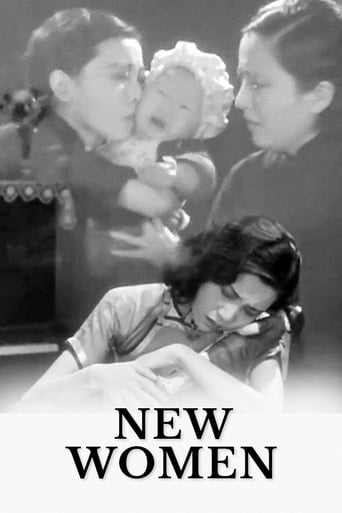
Ruan Lingyu was born Ruan Fenggen in Shanghai in 1910 and rose from poverty to become one of China's most celebrated film actresses during the golden age of Chinese cinema. She began her career in 1927 with the Mingxing Film Company and quickly gained recognition for her naturalistic acting style and emotional depth. Her breakthrough came in 1930 with 'Spring Dream of an Old Capital,' but it was her collaborations with director Cai Chusheng that cemented her legacy, particularly in 'New Women' (1935). Ruan's performances often portrayed struggling, marginalized women in urban Shanghai, bringing unprecedented realism and pathos to Chinese cinema. Despite her immense popularity and critical acclaim, her personal life was plagued by media scrutiny and scandal, particularly regarding her relationships with businessman Zhang Damin and tea merchant Tang Jishan. Her tragic suicide on March 8, 1935, at the age of 24, sparked national mourning and highlighted the destructive power of tabloid journalism in Republican China. Her funeral procession drew over 100,000 mourners, and three women reportedly committed suicide in her honor, demonstrating her profound cultural impact.
The Craft
On Screen
Ruan Lingyu pioneered a naturalistic acting style that was revolutionary for Chinese cinema of the 1930s. Unlike the theatrical, exaggerated performances common in silent films, she employed subtle facial expressions, delicate gestures, and understated emotion to convey complex psychological states. Her technique drew from both traditional Chinese opera and modern Western influences, creating a unique synthesis that felt both authentic and cinematic. She had an exceptional ability to portray suffering and resilience through minimal movement, using her eyes and slight changes in posture to communicate deep emotional turmoil. Directors often praised her instinctive understanding of character and her capacity to embody the struggles of marginalized women with dignity and depth.
Milestones
- Breakthrough role in 'Spring Dream of an Old Capital' (1930)
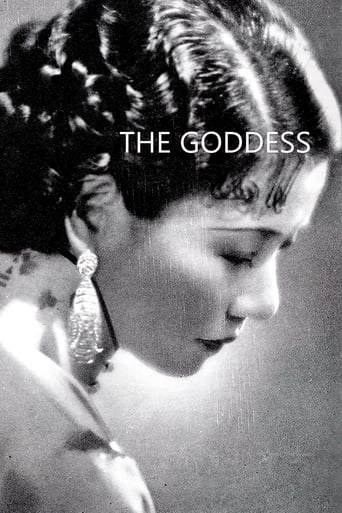
- Starred in the internationally acclaimed 'The Goddess' (1934)
- Final and most controversial film 'New Women' (1935)
- Became the highest-paid actress in China by 1934
- First Chinese actress to receive serious international critical attention
Best Known For
Iconic Roles
Must-See Films
Accolades
Special Recognition
- Posthumous recognition as one of China's greatest actresses
- 1995: Included in China's 100 Best Films of the 20th Century for 'The Goddess'
- 2005: Hong Kong Film Awards ranked 'The Goddess' among the best Chinese films
- Multiple retrospectives at international film festivals including Cannes and Venice
- Cultural icon status in Chinese cinema history
Working Relationships
Worked Often With
Studios
Why They Matter
Impact on Culture
Ruan Lingyu's cultural impact extends far beyond her film career, making her a symbol of modern Chinese womanhood and the perils of celebrity culture. Her performances captured the social upheaval of 1930s China, particularly the struggles of women navigating rapid urbanization and changing social mores. The goddess-like status she achieved in life and the tragic manner of her death transformed her into a cultural martyr, representing the vulnerability of artists in the face of public judgment. Her story sparked important debates about media ethics, women's autonomy, and the price of fame that continue to resonate today. The massive public response to her death, including the three women who reportedly committed suicide in her wake, demonstrated the profound connection she forged with Chinese audiences and her role in shaping national cultural identity during a pivotal period in Chinese history.
Lasting Legacy
Ruan Lingyu's legacy endures as one of cinema's most tragic and influential figures. Her films, particularly 'The Goddess,' are studied worldwide as masterpieces of early Chinese cinema and continue to influence filmmakers globally. Stanley Kwan's 1991 biographical film 'Center Stage' (starring Maggie Cheung) brought her story to international audiences and won critical acclaim at film festivals including Venice. Her naturalistic acting style pioneered a new approach to performance in Chinese cinema that influenced generations of actors. The preservation and restoration of her films have ensured that her artistic contributions remain accessible to scholars and audiences. Her life story has become a cautionary tale about the destructive power of media sensationalism and continues to inspire discussions about mental health, privacy rights, and the treatment of women in the entertainment industry.
Who They Inspired
Ruan Lingyu's influence on cinema and culture is immeasurable, particularly in her of naturalistic acting techniques that broke from theatrical traditions. Her ability to convey complex emotions with subtlety and authenticity set a new standard for film acting in China and influenced subsequent generations of performers across Asia. Directors worldwide have studied her performances in 'The Goddess' and 'New Women' as examples of cinematic storytelling through visual performance. Her tragic story and the media circus surrounding her death have influenced numerous filmmakers exploring themes of celebrity culture and media ethics. Contemporary Chinese actresses frequently cite her as an inspiration, and her approach to portraying strong, suffering women has become a template for female character development in Chinese cinema. Her work has been the subject of extensive academic study, influencing film scholarship on early Chinese cinema and women's representation in film.
Off Screen
Ruan Lingyu's personal life was marked by tragedy and relentless media scrutiny. Born into poverty after her father's early death, she left school at age 8 to help support her family. Her relationship with Zhang Damin, the son of her mother's employer, began when she was 16 and became the source of much public controversy. Their turbulent relationship included cohabitation, separation, and legal disputes over financial matters. Later, she became involved with Tang Jishan, a wealthy tea merchant, which further complicated her personal life and provided fodder for tabloid journalists. The constant invasion of her privacy and sensationalized reporting about her relationships took a severe toll on her mental health.
Education
Limited formal education due to family poverty; left school at age 8 to work and support her family
Family
- Zhang Damin (1926-1932, common-law relationship)
- Tang Jishan (1934-1935, relationship)
Did You Know?
- Her suicide note famously read 'Gossip is a fearful thing' (人言可畏), which has become a common Chinese idiom
- Her funeral procession reportedly stretched for over three miles and drew more than 100,000 mourners
- Three women allegedly committed suicide after her death, with notes saying they wanted to join her
- She was the highest-paid actress in China by 1934, earning approximately 2,000 yuan per month
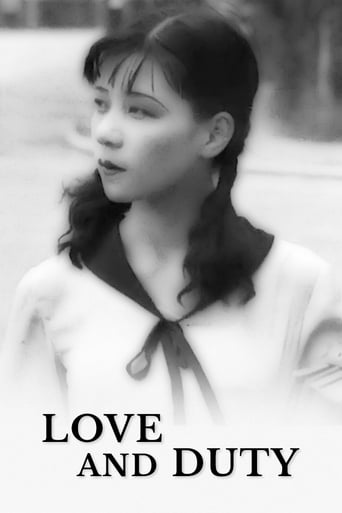
- Her lost film 'Love and Duty' was rediscovered in Uruguay in the 1990s and restored
- She made 29 films in just 8 years, an incredibly prolific output
- Her stage name 'Lingyu' means 'Jade Dew' in Chinese
- She never received formal acting training but learned through observation and instinct
- Her image appeared on Chinese postage stamps issued in her honor
- The character she played in 'New Women' was based on real-life writer Ai Xia
In Their Own Words
Gossip is a fearful thing (人言可畏) - from her suicide note
I would rather die than live without dignity - reported statement to friends before her death
Acting is not about pretending, it's about becoming - philosophy on her craft
Every woman has a goddess inside her, waiting to be discovered - on her role in 'The Goddess'
Frequently Asked Questions
Who was Ruan Lingyu?
Ruan Lingyu was one of China's most acclaimed film actresses of the 1930s, known for her naturalistic acting style and tragic life. She starred in influential films like 'The Goddess' and 'New Women' before committing suicide at age 24 due to media pressure and personal scandals.
What films is Ruan Lingyu best known for?
Titles linked here include The Goddess (1934), New Women (1935).
When was Ruan Lingyu born and when did she die?
Born April 26, 1910; died March 8, 1935.
What awards did Ruan Lingyu win?
Ruan Lingyu did not receive formal awards during her lifetime as the Chinese film industry was still developing award systems. However, she has received extensive posthumous recognition, including being ranked among the greatest Chinese actresses and having her films included in lists of China's best cinematic works.
What was Ruan Lingyu's acting style?
Ruan Lingyu pioneered a naturalistic acting style that was revolutionary for 1930s Chinese cinema. She used subtle facial expressions, minimal gestures, and understated emotion to convey complex psychological states, breaking away from the theatrical performances common in silent films of the era.
Why is Ruan Lingyu considered culturally significant?
Ruan Lingyu is culturally significant for her artistic contributions to early Chinese cinema and her tragic story that highlighted the destructive power of media sensationalism. Her performances captured the struggles of modern Chinese women, and her death sparked important discussions about media ethics, privacy, and the treatment of women in society.
What caused Ruan Lingyu's death?
Ruan Lingyu died by suicide on March 8, 1935, primarily due to relentless media harassment and public scrutiny of her personal life. Tabloid newspapers relentlessly attacked her character over her relationships, and the pressure became unbearable, leading her to take her own life at age 24.
How has Ruan Lingyu influenced later cinema?
Ruan Lingyu influenced later cinema through her naturalistic acting techniques and her films' artistic achievements. Her work has been studied by filmmakers worldwide, inspired the biographical film 'Center Stage' (1991), and continues to influence performances in Chinese and international cinema. Her story also raised awareness about media ethics and celebrity culture.