
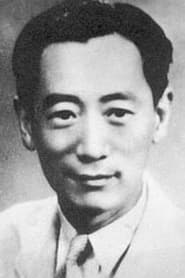
Yunwei Ying
Director
Born: September 10, 1904 in Shanghai, China Died: April 23, 1967 Active: 1930s-1960s Birth Name: Ying Yunwei (應雲衛)
Films
1 film
About Yunwei Ying
Ying Yunwei (應雲衛) was a Chinese film director and playwright who in the development of early Chinese cinema during the 1930s and 1940s. Born in Shanghai in 1904, he began his career in theater before transitioning to film during the emergence of sound cinema in China. His most celebrated work, 'Plunder of Peach and Plum' (1934), is the earliest and most influential Chinese sound films, addressing social issues through its narrative about educated youth struggling in society. Ying worked primarily with the Lianhua Film Company, one of the major studios of the era, and was known for his socially conscious approach to filmmaking. Throughout his career, he directed several important films that reflected the turbulent political and social climate of China during the Republican period. His artistic vision combined theatrical sensibilities with cinematic innovation, helping to establish the foundation for modern Chinese cinema. Ying continued his work in film and theater through the 1940s and beyond, contributing to the cultural development of China during a period of significant political change.
The Craft
Behind the Camera
Ying Yunwei's directing style was characterized by strong social consciousness and theatrical influence. He often addressed contemporary social issues, particularly the struggles of educated youth and the working class in rapidly modernizing China. His films combined narrative storytelling with social commentary, using the medium of cinema to reflect and critique societal problems. Ying incorporated theatrical techniques into his filmmaking, emphasizing character development and dramatic tension. His work during the 1930s reflected the left-wing literary and artistic movements that were influential in Shanghai's cultural scene.
Milestones
- Directed 'Plunder of Peach and Plum' (1934), one of the earliest Chinese sound films
- Worked with Lianhua Film Company during the golden age of Chinese cinema
- Pioneered socially conscious filmmaking in early Chinese cinema
- Contributed to both theater and film arts in China
- Directed 'The Great Road' (1934-35), another significant early Chinese film
Best Known For
Must-See Films
Accolades
Won
- Posthumously recognized as a pioneer of Chinese cinema
- Honored in Chinese film history retrospectives
Special Recognition
- Recognized as an important figure in early Chinese cinema history
- Featured in Chinese film archives and museum collections
- Cited in academic studies of early Chinese cinema
Working Relationships
Worked Often With
Studios
Why They Matter
Impact on Culture
Ying Yunwei's work, particularly 'Plunder of Peach and Plum,' had a profound impact on early Chinese cinema by establishing the potential of sound film as a medium for social commentary. His films addressed contemporary social issues and contributed to the development of a distinctly Chinese cinematic language. The success and influence of his work helped demonstrate that Chinese cinema could tackle serious social themes while maintaining popular appeal. His films were part of a broader cultural movement that sought to use art to address national problems and promote social consciousness. Ying's approach to filmmaking influenced subsequent generations of Chinese directors who continued to explore social themes in their work.
Lasting Legacy
Ying Yunwei is remembered as a figure in early Chinese cinema who helped establish the foundation for socially conscious filmmaking in China. His most famous work, 'Plunder of Peach and Plum,' remains an important historical document of early Chinese sound cinema and continues to be studied by film scholars. Ying represents the generation of Chinese filmmakers who emerged during the 1930s and sought to create a national cinema that could address contemporary social issues while competing with foreign films. His legacy lives on through the continued study and appreciation of early Chinese cinema, and his influence can be seen in the work of later Chinese directors who have addressed social themes in their films.
Who They Inspired
Ying Yunwei influenced subsequent generations of Chinese filmmakers through his work in early sound cinema and his commitment to social themes. His approach to combining entertainment with social commentary set a precedent for later Chinese directors interested in using cinema as a tool for social awareness. The technical innovations and narrative techniques he helped develop during the transition from silent to sound cinema in China influenced the aesthetic development of Chinese film. His work contributed to the establishment of a tradition of socially engaged cinema in China that continues to this day.
Off Screen
Ying Yunwei was deeply involved in Shanghai's vibrant cultural scene during the 1930s and 1940s. He was part of the intellectual and artistic community that sought to use art as a vehicle for social change and national awakening. His active years covered. Like many artists of his generation, he faced challenges during the political upheavals of the mid-20th century but continued to contribute to Chinese culture until his death in 1967.
Education
Educated in Shanghai during the Republican era; likely received traditional Chinese education combined with modern Western influences common in urban centers of the time
Did You Know?
- 'Plunder of Peach and Plum' was one of the first Chinese films to feature synchronized sound
- The film's title refers to the exploitation of students and educated youth in Chinese society
- Ying was part of the influential Shanghai cultural scene during the 1930s
- He worked during a period when Shanghai was known as the 'Hollywood of the East'
- His films often featured themes of social justice and class struggle
- The Lianhua Film Company where he worked was one of China's most important early film studios
- His active years covered the transition from silent to sound cinema in China
- Many of his films have been preserved and are studied as important examples of early Chinese cinema
In Their Own Words
Cinema should not only entertain but also enlighten society about its problems
The purpose of art is to reflect the times in which we live
Every film should carry a message that speaks to the heart of the people
Frequently Asked Questions
Who was Ying Yunwei?
Ying Yunwei was a Chinese film director and playwright active during the 1930s and 1940s, best known for directing 'Plunder of Peach and Plum' (1934), one of the earliest and most influential Chinese sound films. He played a significant role in developing early Chinese cinema and was known for his socially conscious approach to filmmaking.
What films is Ying Yunwei best known for?
Titles linked here include Plunder of Peach and Plum (1934), The Great Road (1934-35).
When was Ying Yunwei born and when did he die?
Born September 10, 1904; died April 23, 1967.
What was Ying Yunwei's directing style?
Ying Yunwei's directing style was characterized by strong social consciousness and theatrical influence. He often addressed contemporary social issues, particularly the struggles of educated youth and the working class. His films combined narrative storytelling with social commentary, using cinema to reflect and critique societal problems in early 20th century China.
What was the significance of 'Plunder of Peach and Plum'?
'Plunder of Peach and Plum' (1934) was significant as one of the earliest Chinese sound films and a landmark in Chinese cinema history. It addressed serious social themes about the exploitation of educated youth and demonstrated that Chinese cinema could tackle important social issues while maintaining artistic quality and popular appeal.
What was Ying Yunwei's contribution to Chinese cinema?
Ying Yunwei contributed to Chinese cinema by helping establish the foundation for socially conscious filmmaking during the transition from silent to sound cinema. His work demonstrated how cinema could be used for social commentary and helped develop a distinctly Chinese cinematic language that could address contemporary issues while competing with foreign films.