Plunder of Peach and Plum
"Married."
Keys: Space play/pause · ←/→ 10s · F fullscreen · M mute · </> speed
About this film
The film tells the tragic story of two recent college graduates, Tao Jianping ("Tao" is a homophone for peach), and Li Lilian ("Li" is a homophone for plum). Married, the two hope to change society for the better, but are continuously challenged by the corruption and injustice of Chinese society.
Cast & crew
More films like this
More Drama films
View all →







More about this film
About the production
Release date1934
ProductionMingxing Film Company
Filmed inShanghai, China
The film was produced during the peak of Shanghai's golden age of cinema, when the city served as China's filmmaking capital. Director Ying Yunwei was known for his socially conscious films that addressed contemporary issues facing Chinese society. The production faced challenges from government censors due to its critical portrayal of societal corruption, though it eventually passed with some modifications. The film's title uses clever wordplay with the characters' names - 'Tao' meaning peach and 'Li' meaning plum - creating a poetic metaphor for youth and innocence being plundered.
Themes
Social corruption and injusticeIdealism versus realityThe struggle of educated youthMarriage and partnership under social pressureUrban modernization and its discontents
Themes & topics
college graduatesmarried couplesocial reformcorruptioninjusticeShanghai1930sidealismtragedyurban lifeintellectualssocietal pressuredisillusionmentsocial commentaryRepublican China
Historical background
By 1934, distribution was widening and Plunder of Peach and Plum reached audiences through the theatrical channels dominant before television.
Why this film matters
Restorations and festival bookings keep Plunder of Peach and Plum visible among classic-film communities.
Making of
The film was made during Shanghai's cinematic golden age when the city was known as the 'Hollywood of the East.' Director Ying Yunwei worked with a team of progressive filmmakers who used cinema as a vehicle for social commentary. The production employed many of the techniques being adopted from Western cinema while maintaining distinctly Chinese storytelling traditions. The cast included some of the most popular actors of the period, who were known for their ability to convey complex emotions through both dialogue and physical performance. The film's production coincided with growing government censorship, requiring the filmmakers to be subtle in their social criticism. The shooting took place in Shanghai's modern film studios, which were among the best-equipped in Asia at the time.
What critics said
Audience data from 1934 is sparse; reception for Plunder of Peach and Plum is inferred from reissue and archival interest.
Did you know?
- The film's title 'Plunder of Peach and Plum' uses a Chinese idiom where 'peach and plum' symbolize students or young people, making the title a metaphor for the exploitation of youth
- Director Ying Yunwei was part of the left-wing film movement in 1930s Shanghai that produced socially critical cinema
- The film was released during a period of intense political turmoil in China, following the Japanese invasion of Manchuria in 1931
- Mingxing Film Company, the production studio, was one of the largest and most influential film companies in Republican China
- The film is considered part of the 'soft film' movement that blended social criticism with entertainment value
- Only fragments of this film are believed to survive today, as many Chinese films from this period were lost during the Sino-Japanese War and Cultural Revolution
- The film's themes reflected the growing disillusionment among Chinese intellectuals with the Nationalist government's ability to address social problems
- The character names Tao Jianping and Li Lilian were carefully chosen to create the peach-plum symbolism central to the film's title
Visual style
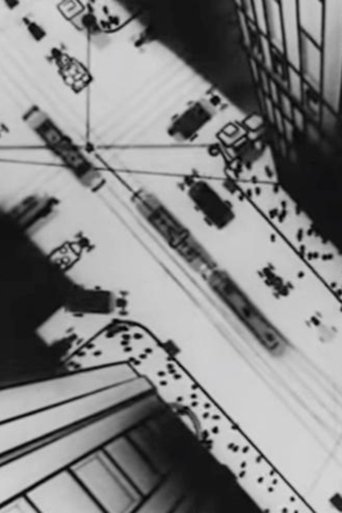
The film employed the sophisticated cinematographic techniques being developed in 1930s Shanghai cinema, including dynamic camera movements and expressive lighting to enhance the emotional impact of key scenes. The visual style contrasted the bright optimism of the characters' early scenes with increasingly dark and shadowed imagery as their struggles intensified. The cinematography utilized the modern facilities of Shanghai's film studios, which allowed for controlled lighting and camera work that was among the most advanced in Asia at the time. The film's visual language incorporated both Western cinematic influences and traditional Chinese aesthetic principles, creating a distinctive visual style. The camera work emphasized the psychological states of the characters through careful composition and movement, particularly in scenes depicting their growing disillusionment.
Innovations
The film demonstrated the technical sophistication of Shanghai's film industry during its golden age, utilizing advanced sound recording equipment and modern studio facilities. The production employed techniques for location shooting in urban Shanghai that were innovative for the period. The film's editing and pacing showed the influence of international cinema while maintaining a distinctly Chinese narrative rhythm. The sound design represented the technical capabilities of early Chinese sound cinema, balancing dialogue, music, and ambient sounds to create an immersive experience. The film's special effects, while limited by the technology of the period, were used effectively to enhance key dramatic moments. The production quality reflected the high standards of major Shanghai studios like Mingxing, which competed with international films in the Chinese market.
Music
The film's musical score incorporated both traditional Chinese melodic elements and Western-influenced orchestration, reflecting the cultural synthesis characteristic of 1930s Shanghai. The music was used to enhance emotional scenes and underscore the film's themes of hope and despair. The soundtrack likely included popular songs of the period that would have been familiar to contemporary audiences. The film was produced during the transition from silent to sound cinema in China, and its audio elements represented the technological capabilities of Shanghai's modern studios. The musical choices reflected the urban sophistication of the film's setting and characters, while maintaining emotional accessibility for mass audiences. The score contributed to the film's ability to balance social criticism with entertainment value.
Famous quotes
We came to change the world, but the world is changing us instead
How can one plant flowers in a garden of weeds?
Our education was supposed to be our weapon, but it feels like a burden
In this society, honesty is a crime and idealism is a disease
We wanted to build a new China, but found ourselves trapped in the old one
Memorable scenes
- The opening scene showing the couple's graduation and marriage, filled with hope and optimism about their future
- The sequence where they first encounter bureaucratic corruption while trying to implement their reform ideas
- The emotional confrontation scene between the couple as societal pressures begin to strain their relationship
- The climactic scene where their final attempt at reform is brutally crushed by entrenched interests
- The final montage showing the destruction of their dreams and the triumph of corruption
What audiences thought
The film resonated strongly with urban audiences in Shanghai and other major Chinese cities, particularly among educated young people who saw their own struggles reflected in the characters' experiences. Audience members appreciated the film's honest portrayal of social problems that were widely recognized but rarely addressed in popular media. The emotional journey of the main characters struck a chord with viewers who had similar hopes for social reform and modernization. The film generated discussions in newspapers and intellectual circles about the issues it raised. While popular among urban audiences, the film's reach was limited to areas with cinema infrastructure, primarily major cities and treaty ports. The film's themes of idealism and disappointment particularly resonated during a period when many Chinese were questioning the direction of their country's development.
Film connections
Influenced by
- European social realist cinema
- Soviet montage theory
- Chinese literary traditions of social criticism
- Hollywood narrative techniques
- Shanghai leftist cultural movement
This film influenced
- Spring in a Small Town (1948)
- The Spring River Flows East (1947)
- Crows and Sparrows (1949)
- Street Angel (1937)
- The Great Road (1934)
Film restoration
The film is believed to be partially lost, with only fragments surviving in various archives. Some portions may exist in the China Film Archive in Beijing, but a complete version has not been located. The film suffered the fate of many Chinese productions from the 1930s, which were lost due to warfare, neglect, and political upheaval. Restoration efforts have been hampered by the fragmentary nature of surviving materials. What remains provides valuable insight into the film's style and themes, though the complete narrative experience is inaccessible to modern viewers.
Where to watch
- China Film Archive (Beijing) - occasional special screenings
- Academic film collections and university archives
- Film history museums and specialized cinema libraries
- Rare film festival retrospectives on Chinese cinema