
Tsui Fu-Sheng
Actor
- Active
- 1972-1972
Films 1
About Tsui Fu-Sheng
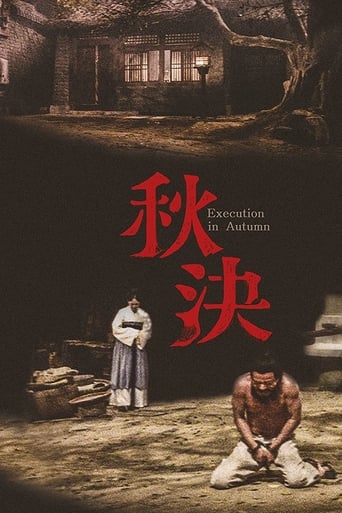
Tsui Fu-Sheng is a little-documented performer associated with early 1970s Chinese-language cinema, best known to contemporary viewers for an appearance in the 1972 film Execution in Autumn. Based on currently available public film references, his screen career appears to have been extremely limited and may have consisted of a single known credit, which makes him difficult to place within the broader history of classic Hong Kong or Taiwanese cinema with confidence. No reliable biographical records readily identify his birth date, birthplace, or personal background, and standard film-reference sources provide only sparse cast listing information rather than a fuller career profile. Because of this, Tsui Fu-Sheng is best understood as one of the many under-documented character players or supporting performers whose names survive in film credits even when archival personal details do not. His presence in Execution in Autumn links him to a serious, prestige-oriented historical drama and suggests participation in a production environment that valued ensemble casting and period authenticity. At present, there is insufficient verified evidence to reconstruct a broader career arc, confirm additional roles, or identify later life details. Any database entry for him should therefore be presented cautiously, distinguishing confirmed film-credit evidence from unverified biographical assumptions.
More about Tsui Fu-Sheng
In film history
Tsui Fu-Sheng's cultural impact is difficult to measure directly because so little verified information survives about his career beyond a single known film credit. Even so, his presence in Execution in Autumn is a reminder that classic cinema history is not shaped only by stars and directors; it also depends on the many supporting players whose names appear in credits and whose performances contribute to a film's texture and credibility. In archival and database work, such figures are important because they help reconstruct the full human ecology of a production era, especially in regional industries where documentation can be incomplete. His surviving credit gives modern researchers a trace point for mapping cast lists, production networks, and the broader cast of early 1970s Chinese-language cinema.
Later reputation
Tsui Fu-Sheng's legacy lies primarily in the documentary record of film history rather than in a widely celebrated star persona. Because he is currently traceable only through Execution in Autumn, he stands as an example of how many classic-era performers remain partially obscured by incomplete archives, transliteration issues, or the loss of production documentation. For historians, such names are still valuable: they preserve evidence of labor, collaboration, and the breadth of the film industry beyond the marquee names. His name may continue to acquire significance if future archival research, restored credits, or regional film records reveal additional roles or biographical details.
Influence
There is no verified evidence that Tsui Fu-Sheng directly influenced later actors or directors in a documented way. His influence, if any, would be indirect and grounded in the collective contribution of supporting performers to the realism and emotional weight of period cinema. In that sense, he belongs to the many working actors whose careers helped sustain the professional standards of their film industries even when their individual names did not become widely known. Future research could potentially clarify whether he appeared in other productions under variant romanizations or Chinese-character spellings.
Off screen
No reliable public information is currently available regarding Tsui Fu-Sheng's personal life, including marriages, family background, residence, or activities outside filmmaking. Standard reference materials do not provide verified biographical notes, and no authoritative interview, memoir, or archival profile has been located to clarify his private history. As a result, any detailed account of his personal circumstances would be speculative and is therefore omitted here.
Education
No verified educational background has been found in currently accessible public film-reference sources.
Credits
- Credited as an actor in Execution in Autumn (1972), the only widely traceable screen credit currently associated with his name
- Associated with a notable early-1970s Chinese-language historical drama, indicating participation in serious prestige cinema rather than exploitation or genre fare
- Represents the kind of lesser-documented supporting performer whose work survives in film credits even when personal archival records are scarce
Roles
- Role not verifiable from currently available public sources in Execution in Autumn (1972)
Films
- Execution in Autumn (1972)
Notes
- Tsui Fu-Sheng is currently known from very limited public film data, which makes him one of the more obscure credited performers linked to Execution in Autumn (1972).
- His documented screen activity appears to be confined to a single year, 1972.
- He should not be confused with other individuals whose names may be romanized similarly in different Chinese transcription systems.
- The scarcity of information about him is typical of many supporting players from regional cinema industries where archival records were not consistently preserved.
- His surviving credit is still useful for cast research and restoration projects because even minor names can help verify original print credits.
- No verified awards, nominations, or honors are currently associated with him in accessible public sources.
Questions
Who was Tsui Fu-Sheng?
Tsui Fu-Sheng was an actor known from a very limited set of surviving film-reference information, with his name linked to Execution in Autumn (1972). Beyond that credit, publicly accessible biographical details are scarce, so he is best understood as an obscure supporting performer from early 1970s Chinese-language cinema.
What films is Tsui Fu-Sheng best known for?
He is best known, from currently available records, for Execution in Autumn (1972). No other verified film credits are presently associated with his name in accessible public sources.
When was Tsui Fu-Sheng born and when did he die?
His birth date and death date are not currently verified in accessible public references. Likewise, his birthplace has not been reliably documented.
What awards did Tsui Fu-Sheng win?
No verified awards or nominations have been found for Tsui Fu-Sheng in the currently accessible record. This may reflect the scarcity of surviving documentation rather than the absence of a full career, but it cannot be confirmed from existing sources.
What was Tsui Fu-Sheng's acting style?
There is not enough verified material to describe a distinct acting style with confidence. Since he is currently documented only through a single credited film appearance, any stylistic assessment would be speculative.
What is Tsui Fu-Sheng's legacy in film history?
His legacy lies in the archival importance of preserving names from classic cinema, even when the performer himself remains obscure. He is part of the wider historical fabric of early 1970s Chinese-language filmmaking, where many supporting actors contributed to the final work but left only limited biographical traces.